

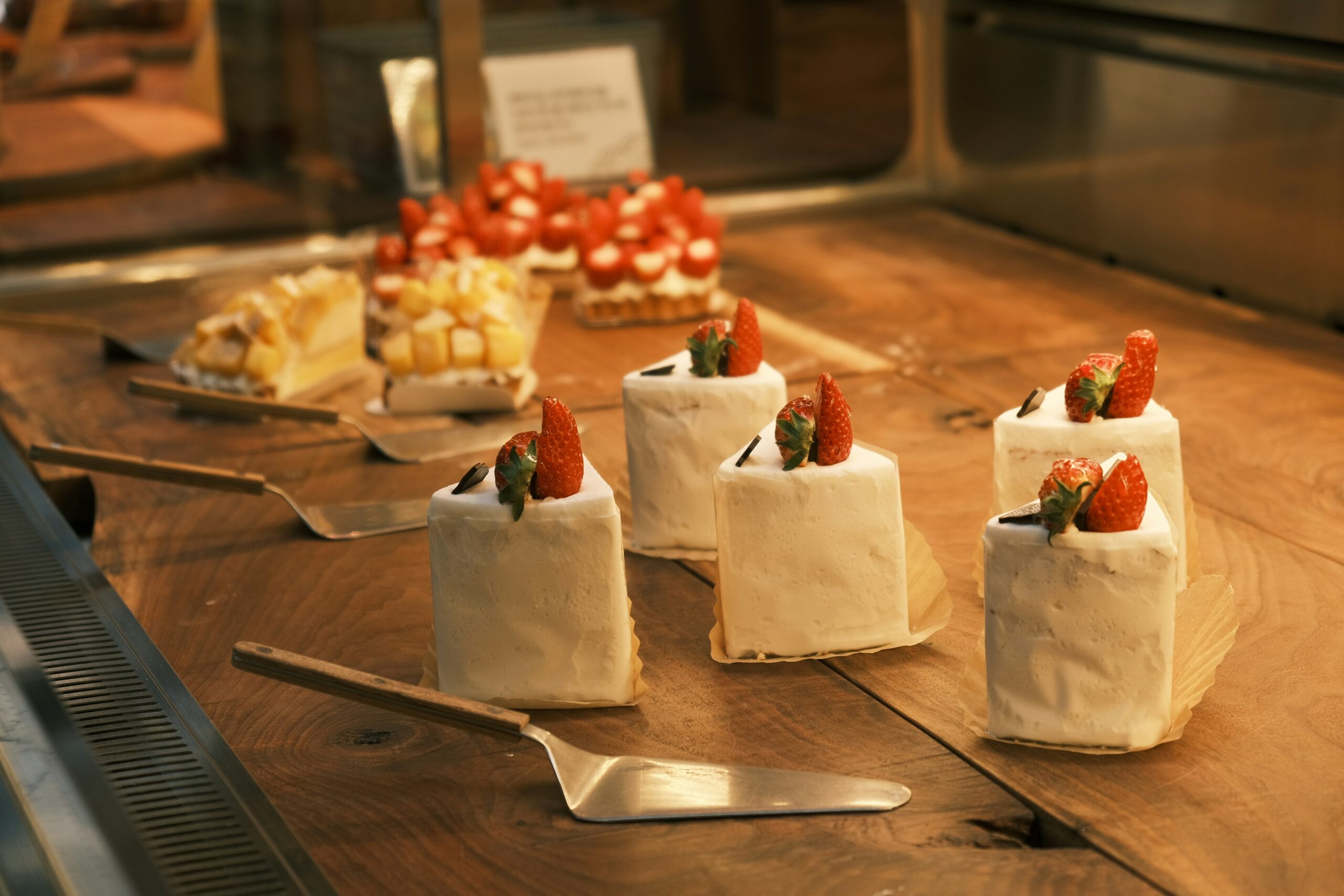
South Korea’s cake market reflects broader shifts in consumer behavior, where desserts are increasingly shaped by emotional value, seasonal demand, and lifestyle alignment rather than taste alone. From winter-driven premium purchases to different flavor preferences and cross-industry collaborations, cakes have become a platform for both commercial innovation and cultural expression.
Read our Korea F&B industry report
South Korea’s cake market goes premium
South Korea’s cake market was valued at approximately USD 680 million in 2024 and is projected to reach around USD 955 million by 2033, reflecting a CAGR of about 3.9%. Within the domestic bakery market, which includes bread and pastries, cakes account for roughly 40% of total sales, making them the largest segment in the bakery category. This steady growth positions cakes as one of the most resilient and structurally expanding segments within the broader bakery category.
In global terms, South Korea accounted for roughly 1.3% of the global cake market in 2024, making it a mid-sized market by value. While significantly smaller than major markets such as the United States, China, and Western Europe, South Korea stands out for its high per-capita spend on premium and customized cakes.
Spoonable cakes drive everyday consumption occasions
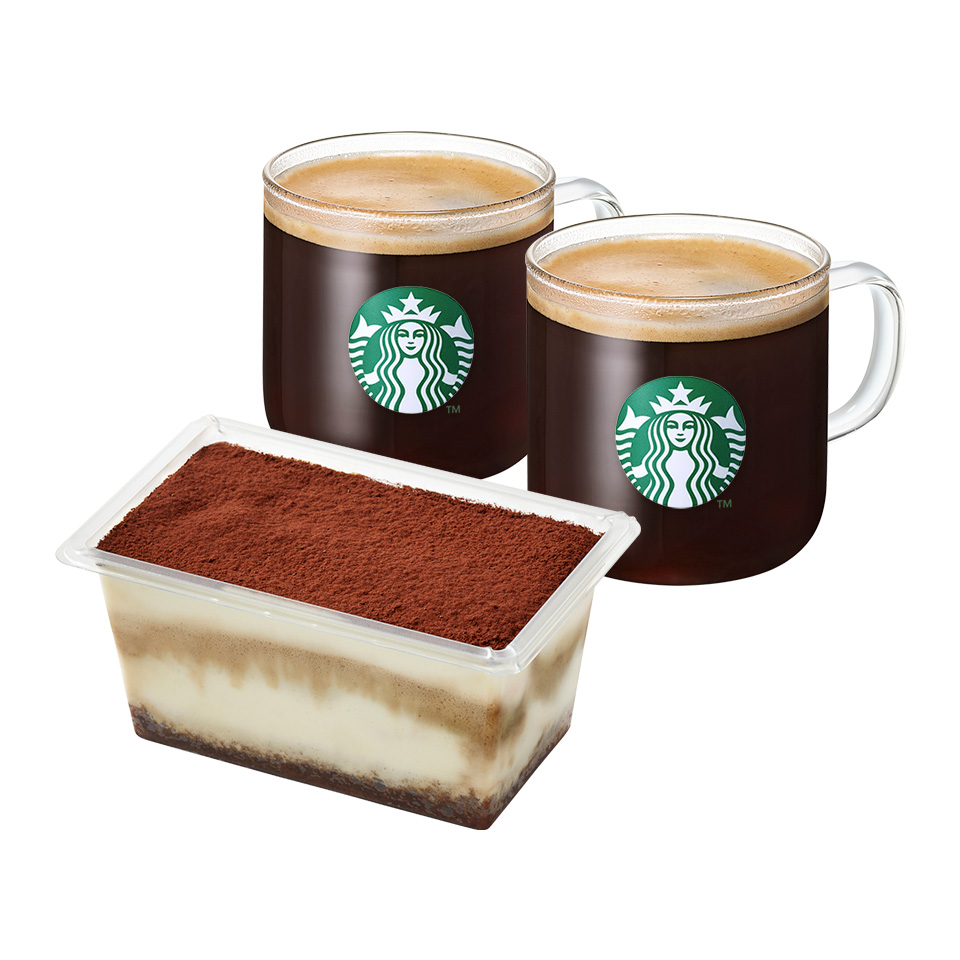
Traditionally, cakes were large, shareable desserts reserved for birthdays or special occasions, but spoonable formats have reframed cake as an everyday indulgence. Individually portioned, easy to eat, and requiring no knife or fork, small cakes fit naturally into Korea’s on-the-go lifestyle and solo consumption culture. Koreans typically pair cakes like tiramisu with iced Americano, which is often seen as a good bitter-sweet balance. As more consumers seek convenience, portion control, and casual self-reward moments, compact spoonable cakes have gained popularity as a practical alternative to full-sized celebration cakes, blurring the line between dessert and daily snack.
Korean consumers spend the most on cakes during the winter season
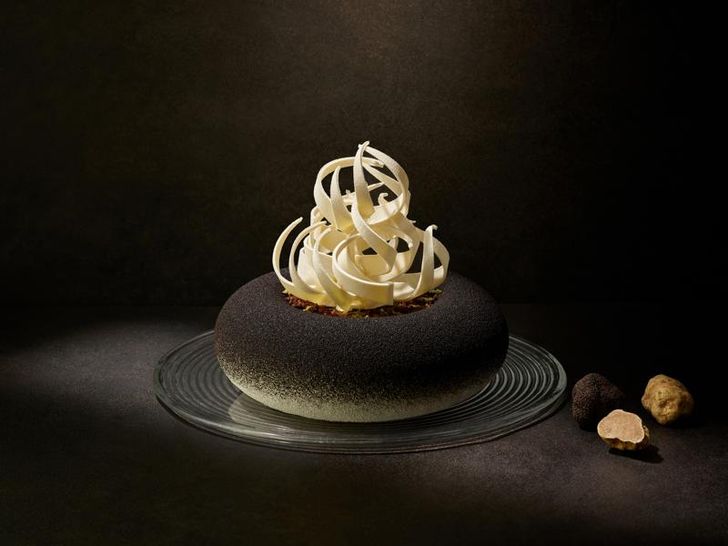
Consumers show the strongest interest in premium, gift-oriented desserts during the winter season, especially during Christmas in Korea. Luxury hotels in Seoul benefit significantly from this seasonal demand by launching limited-edition year-end cakes that emphasize premium ingredients, artistic design, and exclusivity. Prices for these offerings can reach as high as KRW 500,000, exemplified by the Seoul Shilla Hotel’s white truffle cake, which is limited to just three units per day due to the use of rare ingredients and a seven-day preparation process. Other hotels, including Grand InterContinental Seoul Parnas, Walkerhill Hotel, and Four Seasons Hotel Seoul, offer similarly exclusive cakes priced between KRW 300,000 and KRW 380,000, often with strict daily or total sales limits, alongside a smaller selection of more affordable options around KRW 100,000.
Classic flavors outperform novelty varieties
South Korean consumers continue to prefer familiar flavors, soft textures, and visually comforting cakes. A PanelNow survey of 31,780 respondents from December 29, 2023, to January 3, 2024 shows that fresh cream cake dominates preferences (44.7%). Its popularity is driven by its light sponge, smooth whipped cream, balanced sweetness, and versatile appearance, which allows easy customization with fruits or chocolate. Chocolate cake ranks second (21.1%), appealing to those who prefer a richer and more indulgent eating experience.
Beyond the top choices, ice cream cake (9.0%) is popular for celebrations, especially among younger consumers, while carrot cake (7.4%) and cheesecake (6.0%) attract those seeking perceived health benefits or rich textures. Other types, including crepe, chiffon, red velvet, rainbow, and roll cakes, remain niche options. Overall, the market shows that classic bestsellers remain essential, while innovation works best when it aligns with established Korean taste preferences.

Cross-industry collaborations between fashion and food as a growth strategy
Cross-industry co-branding in South Korea has been increasingly adopted by brands as a strategic tool to capture younger consumers and create lifestyle-oriented engagement beyond traditional product boundaries. This strategy is being used among cake manufacturers to increase their sales.
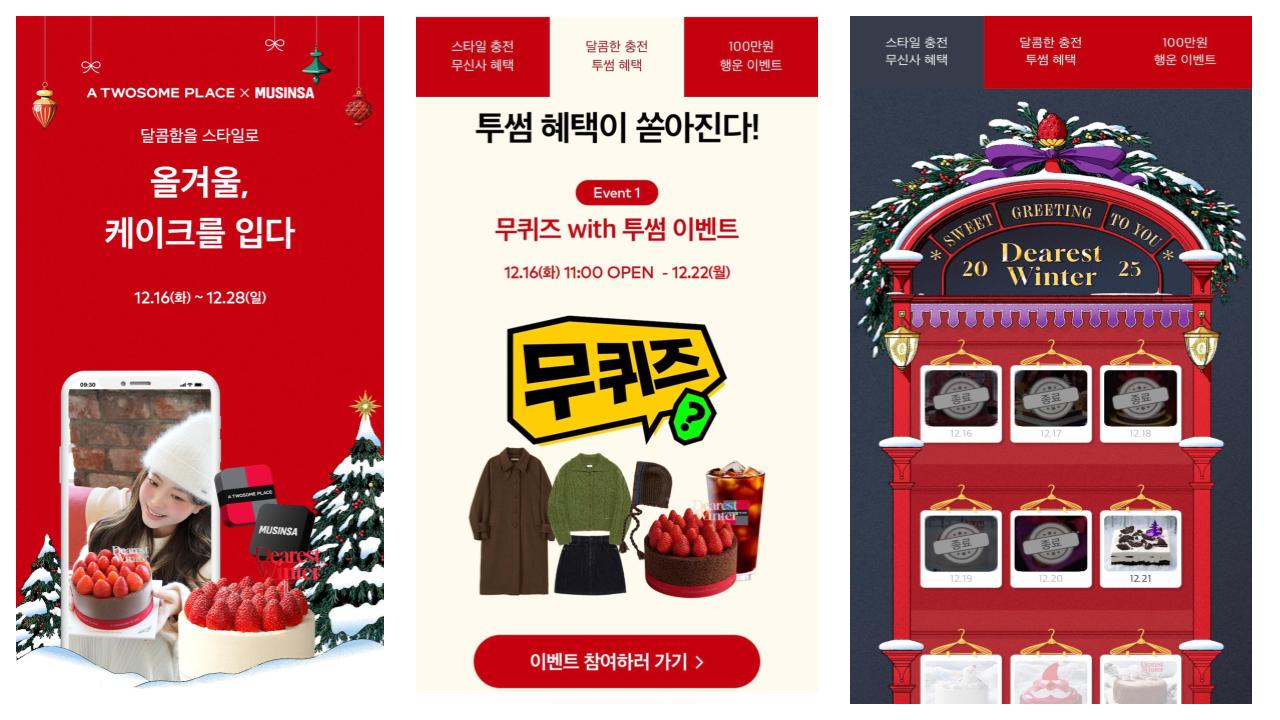
Twosome Place’s year-end collaboration with Musinsa, “This Winter, Wear a Cake,” merges desserts and fashion in a mobile-first, lifestyle campaign targeting the MZ Generation in South Korea. Running on both brands’ apps, it features interactive promotions, including daily cake selections with Musinsa discounts and prize draws offering Musinsa Money up to KRW 1 million.
The Musinsa app adds gamified quizzes, random rewards, and a KRW 100 dessert raffle, encouraging frequent participation. The campaign reflects MZ consumers’ preference for interactive brand engagement, value-conscious rewards, and self-expressive consumption, strengthening brand loyalty beyond traditional cake promotions.
Cakes in South Korea serve as emotional, cultural, and lifestyle symbols beyond food
- South Korea’s cake market is driven by strong seasonality, with winter and Christmas acting as the primary consumption occasions. However, cake formats are diversifying, allowing for more everyday consumption.
- Despite growing innovation, Korean consumers continue to favor familiar cake types, particularly fresh cream and chocolate, highlighting the importance of texture, balance, and visual comfort.
- Niche cake varieties gain popularity more when they align with established taste preferences or offer perceived health, experiential, or aesthetic value.
- Cross-industry collaborations between food and fashion brands are emerging as an effective growth strategy to engage MZ Generation consumers through lifestyle-driven and interactive campaigns.
- Cakes in South Korea function not only as food products but also as emotional, cultural, and lifestyle symbols within modern consumption patterns