

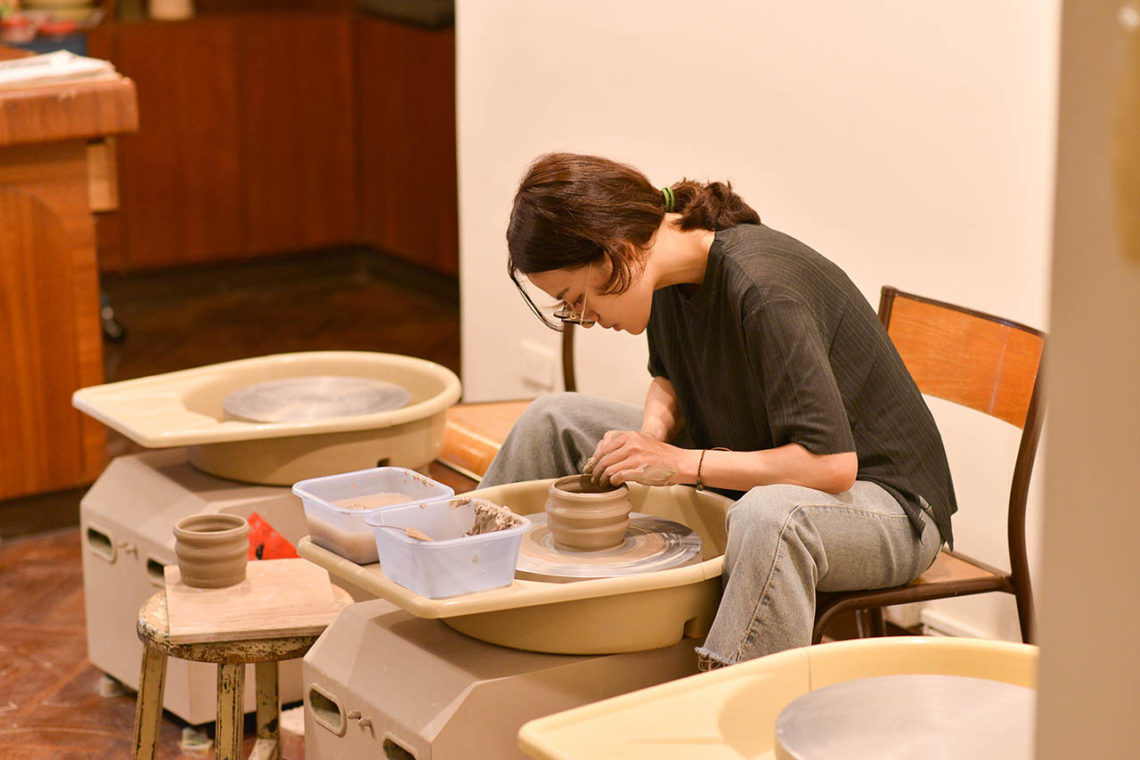
Buying large numbers of “blind boxes” like the trending Labubu, investing in a scented candle to improve sleep quality, or spending a weekend at a pottery or ring-making workshop may seem unrelated, but they are all forms of emotional purchase. In China, the emotional economy has seen exponential growth, led by the younger generation. For these consumers, the value of a product is no longer measured by its utility but by its ability to provide psychological comfort, stress relief, and a sense of identity.
Download the 2026 China Beauty Report here
China’s emotional purchase: Market dynamics and consumer shifts
The global emotional purchase sector is projected to reach USD 30.8 billion by 2030 with a 9.2% CAGR from 2024 to 2030. Meanwhile, China’s market is expanding at a significantly higher rate. Between 2022 and 2025, the domestic emotional purchase market maintained an average annual growth rate of 18.63%. It is expected to surpass RMB 3 trillion by 2026. Although year-over-year growth is projected to moderate from 19.6% in 2023 to 16.5% by 2026. The deceleration signals the market’s transition from explosive infancy to a more mature, stable development phase.
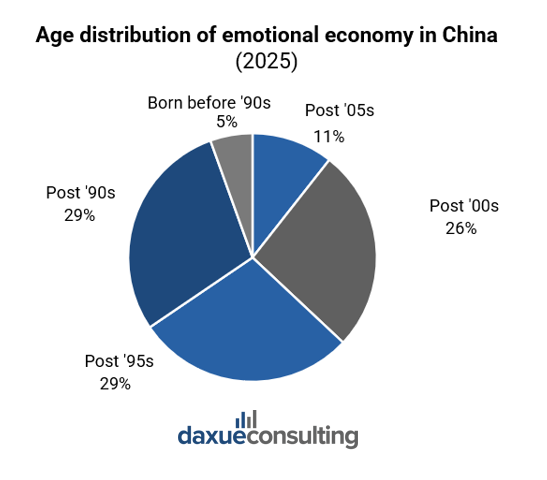
A survey (N=2,338) reveals that consumption is overwhelmingly driven by people born between 1990 and 2005. Individuals born between 1990 and 1995 account for 29% of the market, followed by the 1995–2000 cohort at 28.5% and the 2000–2005 group at 26.4%. In contrast, the Post-2005 generation and those born before 1990 represent smaller shares of 10.5% and 5.5%, respectively. The survey also shows that approximately 60% of the younger generation now express a willingness to pay a premium for emotional satisfaction, a 16.2% increase from 2024. This trend highlights a shift in the Chinese “value-for-money” mindset, where consumers are increasingly pursuing the highest possible ratio of emotional resonance to price.
Major categories of emotional purchase in China
Emotional purchase in China is mainly defined by five primary categories, with tangible goods (实物消费) and experiential consumption (体验消费) acting as the market’s dual engines. Approximately 40% of the younger generation prioritizes tangible products. While nearly 30% focus their spending on social and digital interactions more. It is important to note that these figures are based on multi-choice survey data. This reflects a consumer base that often invests across multiple categories simultaneously to satisfy diverse psychological needs.
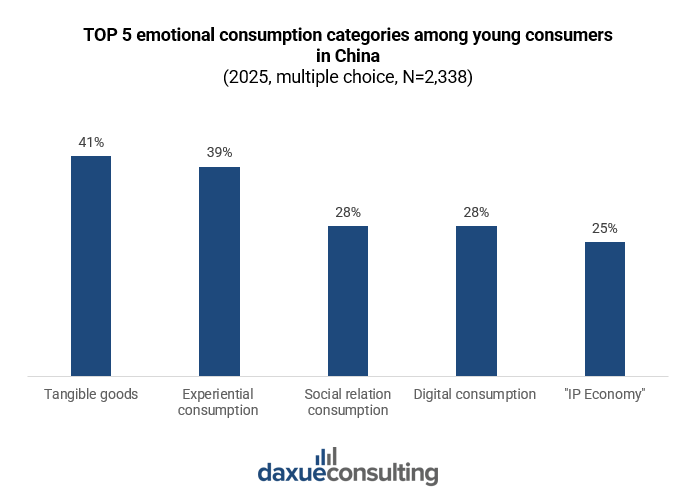
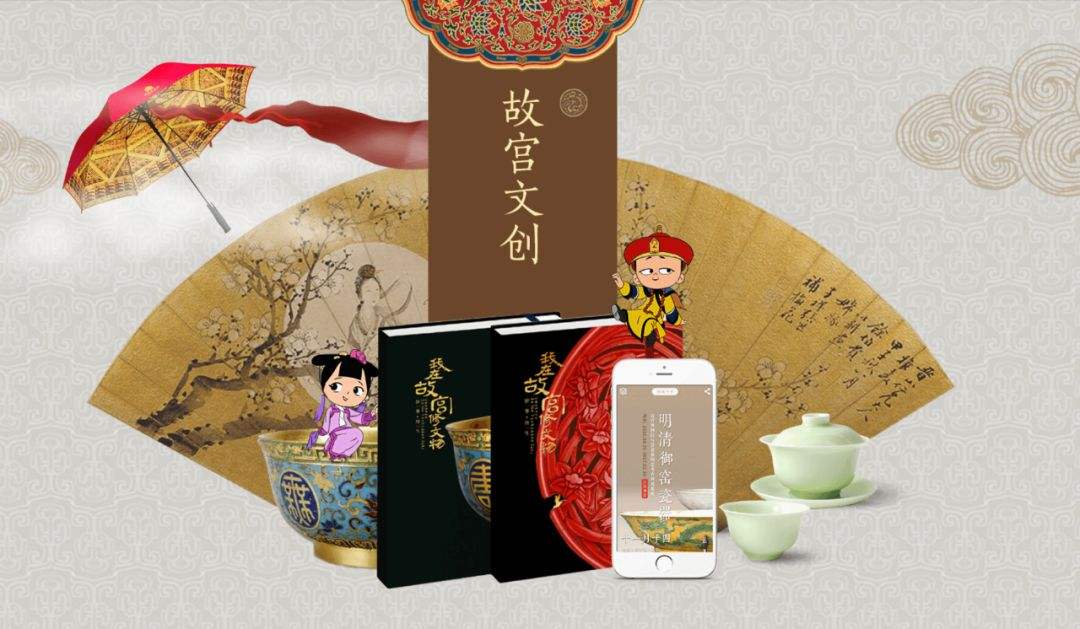
Tangible goods and the “IP Economy” are the primary drivers of China’s emotional market, attracting 40.7% and 24.9% of young consumers, respectively. Collectible toys, K-pop / anime merch, aromatherapy candles, and cultural creative products (文创) are the main examples. Rather than simple utility, these emotional purchases provide satisfaction, aesthetic value, and a sense of belonging in a high-pressure world. Closely following is experiential consumption at 39.4%, where the focus shifts to psychological escapism. This is evident in the booming “pottery economy,” which revitalized cities like Jingdezhen. Moreover, the popularity of concerts, talk shows, and specialized consulting services like tarot or professional psychology sessions boomed.
The remaining part of emotional purchase addresses more specialized social needs. This was led by social relation consumption at 28.1% and digital consumption at 27.7%. Social consumption increasingly involves “paying for companionship,” such as hiring partners for gaming or outdoor activities to combat urban isolation. Similarly, the digital segment is characterized by investments in AI partners and dating simulations. This highlights a growing reliance on virtual environments for support.

Psychological drivers: Stress relief and the “loneliness economy”
The rapid expansion of the emotional purchase market is rooted in a fundamental shift in mental well-being priorities. The same survey also shows that 90% of young consumers recognize the vital importance of “emotional value”. Specifically, 46.8% view these purchases as a necessary remedy for urban stress. Besides, 43.1% utilize them to fulfill a psychological need to be “needed and seen.” This awareness has transformed emotional spending into a deliberate strategy for maintaining mental health in high-pressure environments.
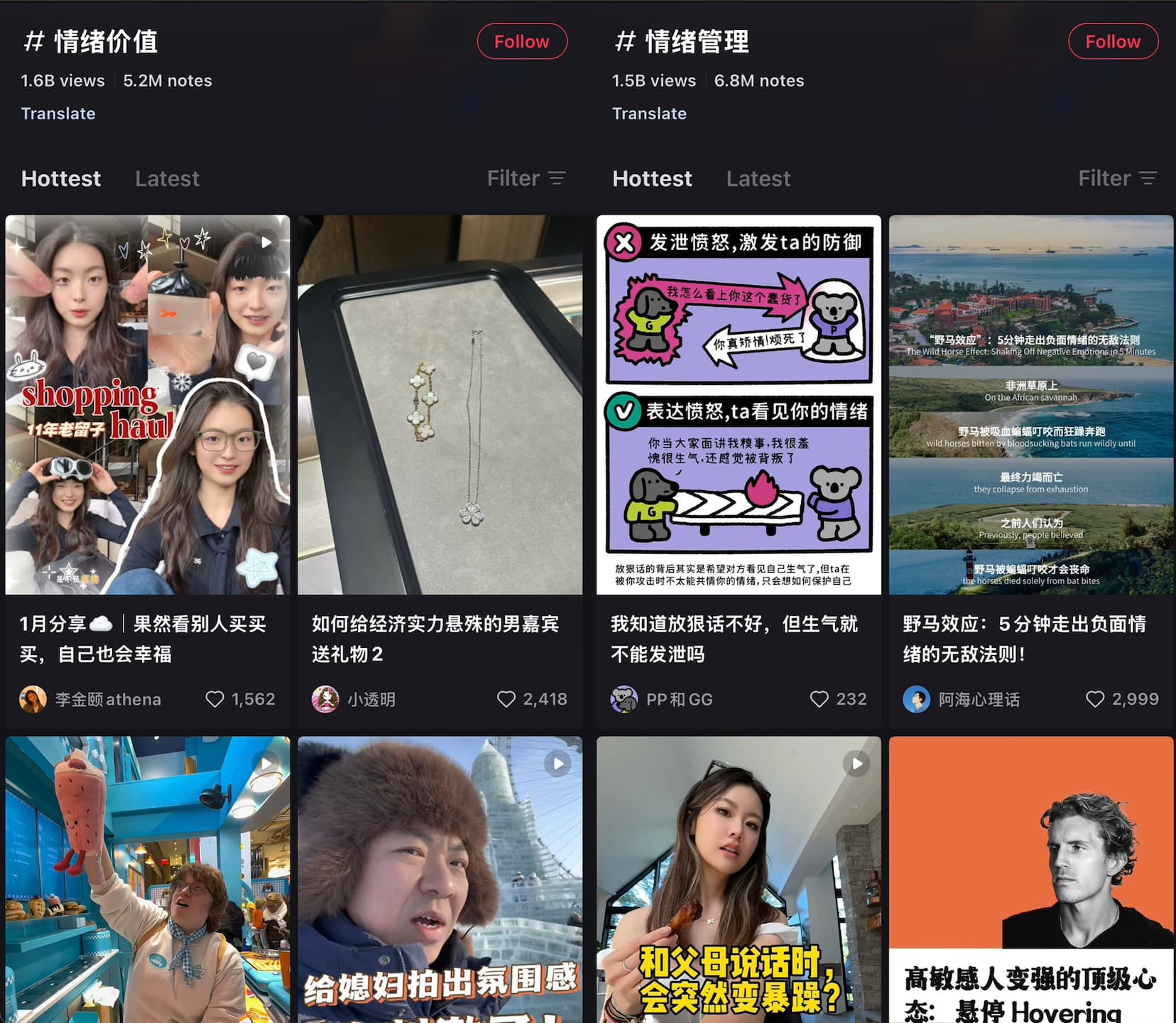
The primary driver is the urgent need for stress mitigation. Experiential consumption—such as handicraft workshops and musical theater—provides a “segmented space” to temporarily disconnect from professional realities. This demand for escapism is highly visible on RedNote, where topics like “Stress-Relief Escapes” in Beijing have surpassed 80 million views. These immersive experiences offer a “slow time” counter-narrative to Tier-1 city anxiety, allowing consumers to recharge through physical and sensory engagement.
Furthermore, demographic shifts have created a profound companionship gap. Growing up as only children due to the One-Child Policy, and increasingly choosing singlehood, the post-90 generation is turning to digital surrogates for connection. This has led to an explosion in the digital segment; social media mentions of “AI Relationships” surged by 1,894 times, while interest in AI Pets grew by 2.4 times based on the Q2 data of 2025 comparing to the year 2024. Within this “loneliness economy,” purchasing trending IPs like Labubu also serves as essential social currency to find a sense of belonging
Industrial impact: Reshaping the commercial landscape
The pivot toward emotional purchase is fundamentally restructuring China’s commercial sectors. The Chinese pet industry, for example, serves as a primary “emotional substitute” for traditional relationships, growing from 701.3 billion RMB in 2024 to 811.4 billion RMB in 2025. For the post-90 generation, pets are no longer mere companions but “family members.” This led to a surge in pet products like “smart” pet tech and high-end health supplements. This sector is on track to surpass 1.15 trillion RMB by 2028. Younger owners increasingly prioritize the unconditional stability pets provide over the complexities of human social circles.
Designer toys have also evolved into essential “social icons.” Pop Mart, the market leader, saw its revenue grow from 2.51 billion RMB in 2020 to 13.04 billion RMB in 2024, achieving a 51% CAGR. By leveraging viral IPs like Labubu, the industry has monetized instant satisfaction. These products act as emotional anchors for Gen Z. They utilize them to signal identity and maintain a sense of belonging in a fragmented social landscape.
The “Healing Economy” has expanded into a sophisticated ecosystem of digital wellness and spirituality. This includes the Cece (测测) app, which by March 2025 surpassed 46 million registered users. The platform uses over 25,000 professional and AI-driven consultants to provide psychological support through MBTI and astrology. This reflects a broader move toward “positive confirmation,” where young consumers seek spiritual frameworks to navigate modern urban anxiety. The digital mental health market is expected to grow at a 15.8% CAGR through 2030, marking it as a potential industrial sector.

Key takeaway from China’s emotional purchase trend
- China’s younger consumers are increasingly prioritizing emotional satisfaction in their purchases rather than practical utility, transforming how they define value.
- Key spending areas include collectibles, experiential activities, social engagements, and digital interactions that fulfill psychological needs.
- The rise of emotional purchase is largely driven by the pursuit of stress relief and a stronger sense of connection in everyday life.
- These changes in consumer priorities are reshaping multiple industries, including toys, wellness, and digital services.