
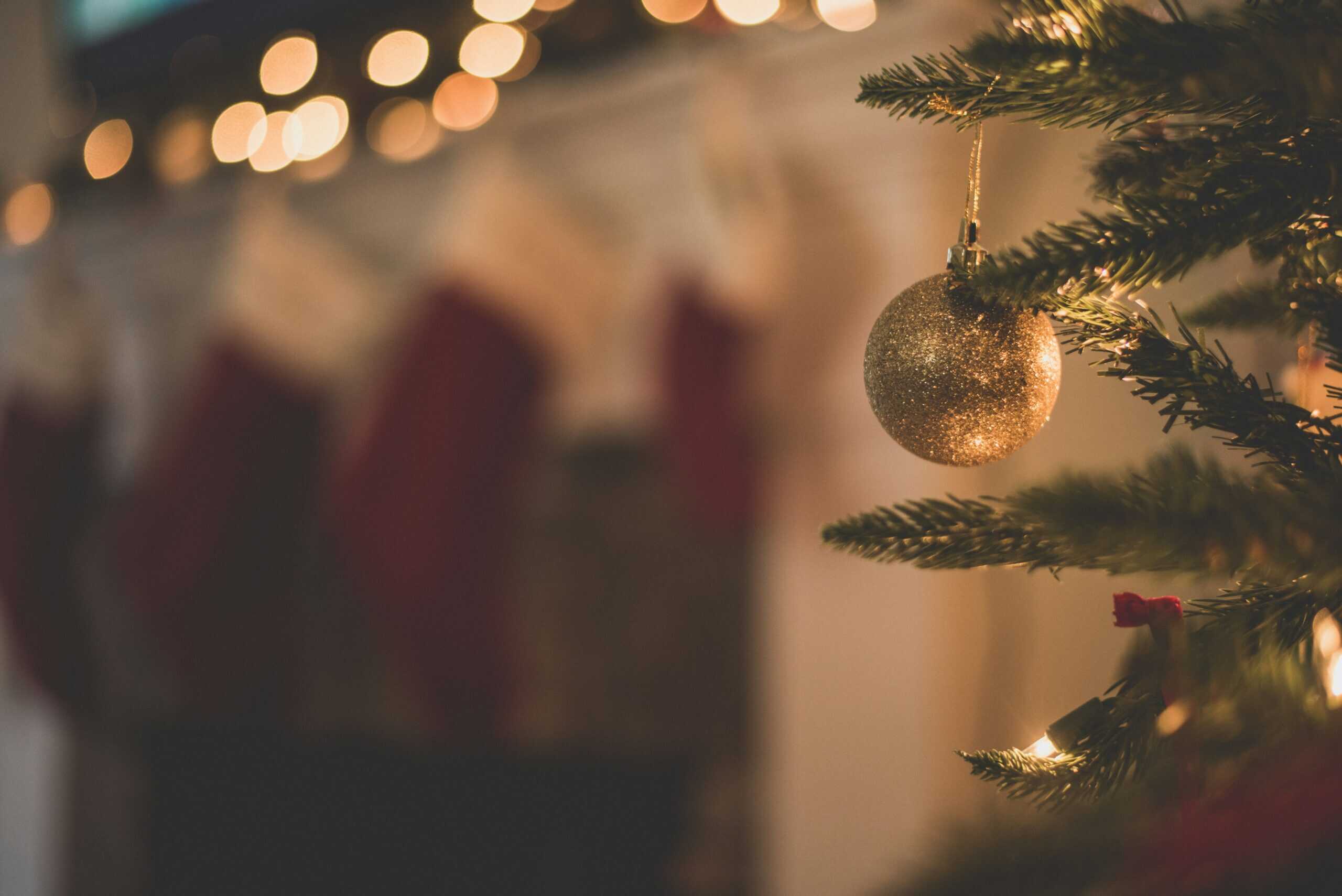
Christmas in Korea is one of the major holidays of the year, although it’s not celebrated as widely as it is in many Western countries. Observed as a public holiday, it is a blend of a romantic date occasion, a lightly observed religious holiday, and a major urban shopping season. Unlike in countries such as the United States or the United Kingdom, Christmas in South Korea has been heavily centered on couples rather than families. While the overall scale of Christmas is smaller than in Western markets, it has been growing, especially driven by department stores, brands, and the government. Moreover, although it is still heavily centered on couples, it is also celebrated by families, singles, and tourists.
Read our Korea’s MZ Generation report

Christmas gaining momentum in the 19th century
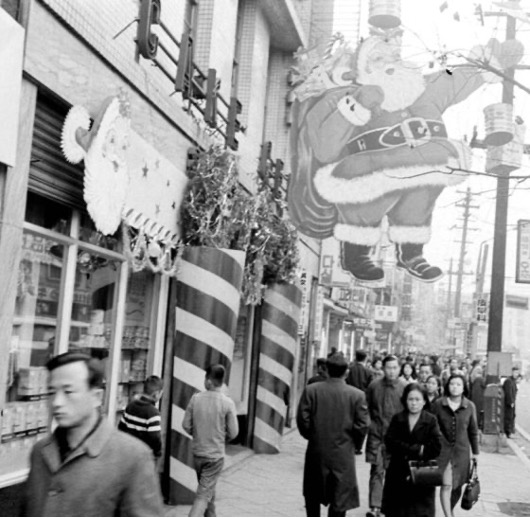
The Christmas culture began gaining some traction in Korea around the late 19th century when Catholicism was introduced to the country. Western missionaries arrived and exposed their culture, including Christmas traditions in Korea. During the Korean War, American soldiers played a role in spreading Christmas culture more widely. They distributed chocolates, sweets, and various Christmas-related items to children in Korea. Given that it was right after the Korean War, getting sweets and gifts during the Christmas season was a significant event. This contributed to greater familiarity and adoption of Christmas customs among the Korean population.
Like Western countries, there are people who view Christmas as a religious holiday. Around 20 percent of the population is Christian. Christians typically attend church services and spend time with their family. However, a bigger population of Koreans doesn’t associate Christmas with any religion. Instead, Christmas in Korea is commonly celebrated for the joy it brings. It is a time to be spent with romantic partners, family, and friends. Many take the time to go shopping, visit places that radiate the holiday spirit, and share meals together.
Christmas celebrations starting in mid-November with city-wide retail activations
While the United States has Thanksgiving Day, Korea doesn’t have any special family occasions in November. Instead, it has Pepero Day on November 11th, often considered one of Korea’s versions of Valentine’s Day. Soon after, the Christmas season begins as early as mid-November, mirroring the festive transformation seen in major European cities. Streets, plazas, and department stores come alive with elaborate light displays, seasonal decorations, and large-scale installations well before December.
Major retailers such as Shinsegae, Lotte, and Hyundai begin unveiling media facades, towering Christmas trees, and LED light shows from around early November. Public celebrations follow soon after: Seoul City Hall’s Christmas tree typically lights up by mid-November, while districts including Cheonggyecheon, Gwanghwamun, and Yongsan Park host lantern displays, light tunnels, and seasonal markets from late November through January.
Much like Paris or London, Korea’s Christmas atmosphere places strong emphasis on visual spectacle and commercial flair. With months of planning behind the scenes, open-air plazas and shopping districts recreate a distinctly “European Christmas” ambiance, complete with pop-up markets offering hot drinks, crafts, and seasonal snacks.
In 2025, a major Christmas market took place in Seongsu-dong, a very popular neighborhood among the MZ Generation in South Korea. Korea McDonald’s sponsored the Seongsu-dong Christmas Market in Seoul Forest from December 12th to 21st, supporting local youth and small businesses while promoting everyday ESG values. The market features Christmas-themed food, handmade goods, and an eco-art Christmas tree made from recycled McDonald’s packaging, alongside a cup-return event that rewards visitors with menu coupons.
Department stores, such as Lotte, turning Christmas into a major retail event
Lotte Department Store launched the Lotte Town Christmas Market at Jamsil Lotte World Tower, running until January 4th, with over 50 booths offering Christmas-themed goods, food, and immersive attractions targeting young consumers. While entry is free before 4 p.m., evening access is not, with standard tickets priced at KRW 5,000 and fast-pass tickets at KRW 10,000, both of which sold out within minutes.
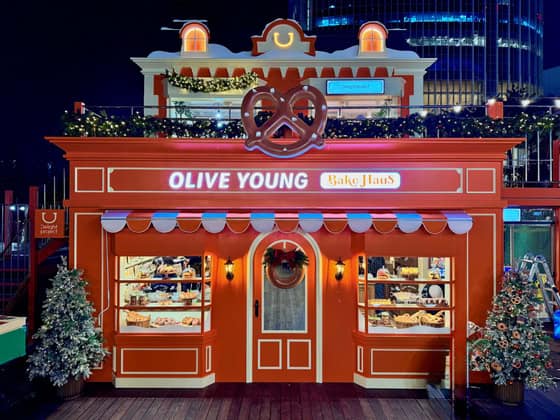
The market also features experiential pop-up booths from popular brands such as Olive Young, premium dining options, curated gift shops, and large-scale installations, including a 13-meter Christmas tree, as well as high-end private lounge experiences priced up to KRW 200,000. This shows that Korean consumers have a strong willingness to pay for Christmas experiences that offer convenience, brand engagement, and immersive visual appeal, viewing the holiday as a premium leisure event rather than a purely traditional celebration.
From luxury to strawberry cakes dominating Christmas in South Korea
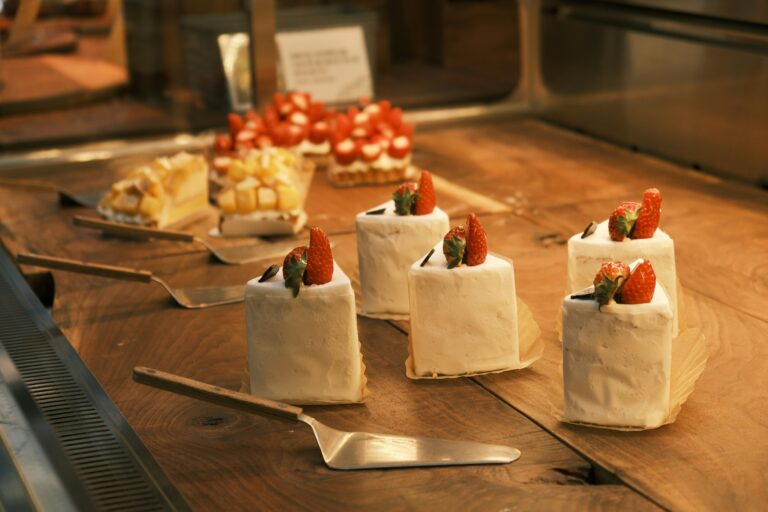
While turkey symbolizes Christmas in some European countries, food traditions do not carry the same meaning in South Korea. Instead, cake, especially strawberry cake, has become the strongest symbol of Christmas for Korean consumers. This willingness to spend is evident at the premium end of the market, where Shilla Hotel’s luxury Christmas cakes sell out quickly every year. In 2025, its “The Finest Luxury” cake, priced at KRW 500,000, fully booked its Christmas-week reservations despite limited daily production.
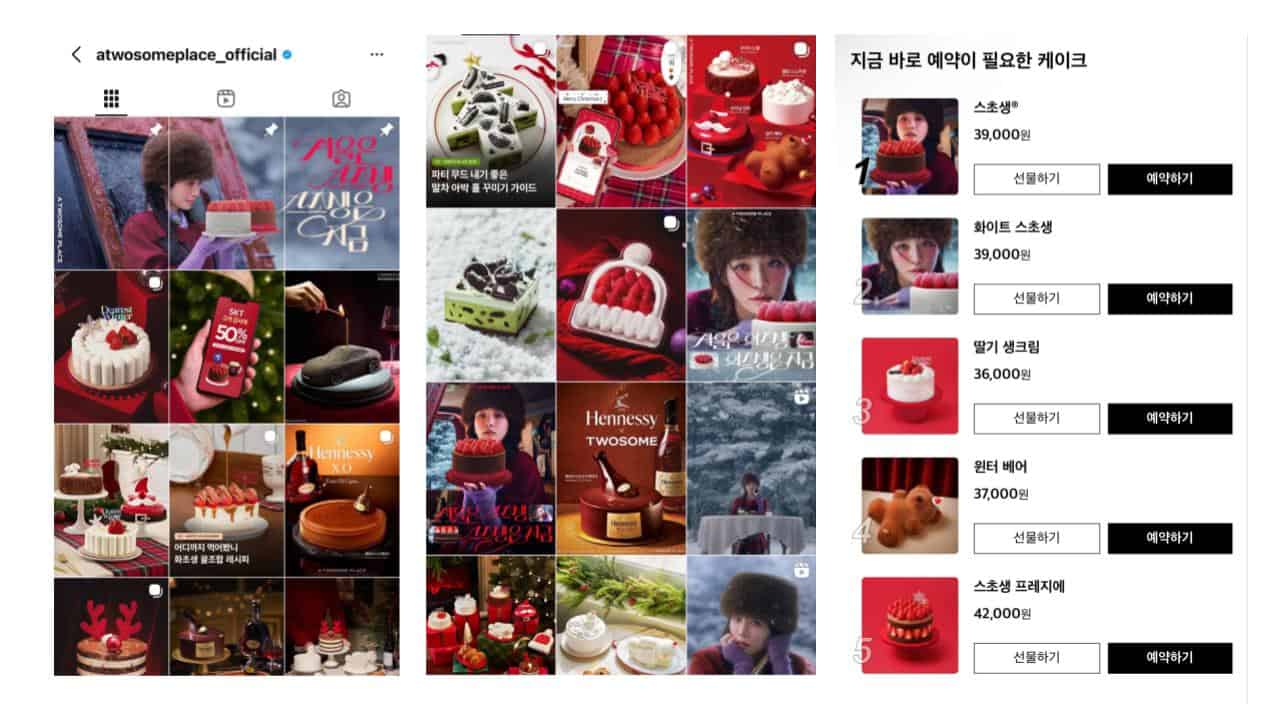
At the same time, the rise of more price-conscious MZ Generation consumers has intensified competition among major coffee franchises such as Twosome Place and Starbucks, which offer seasonal cakes priced between KRW 30,000 and KRW 40,000, often supported by early-order discounts.
Alongside this trend, reserving cakes from local bakery cafes or even making them at home has become a popular alternative. Kim Na-young (35), who placed a cake reservation at a cafe, explained, “Rather than a franchise cake I can buy anytime, I wanted a Christmas cake from my favorite bakery cafe. The process of reserving and waiting makes Christmas feel more exciting.”
Couple-centered gifting as a key driver of Christmas consumption in Korea
Christmas gift-giving in South Korea tends to be relatively simple and is largely centered around couples, as the holiday is often perceived as having a Valentine’s Day-like atmosphere. As a result, gifting is most common between romantic partners rather than within families or broader social circles. In recent years, digital gift cards have become one of the most popular gifting methods due to their convenience and immediacy.
KakaoTalk, which leads the digital gifting market, typically launches a dedicated holiday section labeled “X-mas” during major seasonal events. This section highlights popular gift categories and simplifies holiday purchasing. According to KakaoTalk’s rankings, the top exchanged Christmas gifts include department store gift vouchers (such as Shinsegae), food delivery vouchers, and cakes, with cakes ranking among the most frequently selected items. Overall, the most popular Christmas gift categories include cakes, cosmetics, fresh strawberries, wine, home decorations, as well as coffee and monetary vouchers. The section is visually themed in red, reinforcing the festive holiday atmosphere.
E-commerce platforms in South Korea are adopting similar strategies. Coupang, one of South Korea’s largest e-commerce platforms, operates a dedicated Christmas section offering a wide range of seasonal products, from home decorations to party supplies. This approach demonstrates how Korean consumers increasingly rely on digital platforms for holiday gifting and preparation, reinforcing the importance of online channels in seasonal consumption patterns.
Christmas in South Korea has evolved into a premium, digitally-driven, experience-led consumption period
- Christmas in South Korea is experience-driven, centered on dating culture, city lights, shopping, and seasonal promotions rather than family traditions.
- The Christmas season starts as early as mid-November, with department stores, public spaces, and city landmarks creating a European-style festive atmosphere.
- Christmas cakes are the strongest food symbol of the season, with demand spanning ultra-luxury hotel cakes, franchise offerings, and local bakery reservations.
- Strawberry cakes dominate mass and mid-range consumption, while luxury hotels compete through exclusivity and craftsmanship rather than traditional flavors.
- Christmas gifting in South Korea is largely couple-focused and increasingly digital, with online platforms and mobile gift vouchers.