

Updated on August 4, 2026
After the Sanlu, DCD and botulism episodes, Fonterra sold its Chinese farms and built China into its largest foodservice market, supplying cream, butter and cheese to bakeries and tea chains.
By Daxue Consulting
In its 2025 financial year, Fonterra made NZ$7.96 billion of revenue in Greater China, 25% more than the year before. Its foodservice business, selling Anchor (安佳) butter, cream and mozzarella to bakeries, tea shops and restaurants, grew 22% to NZ$3.39 billion (Beijing News (新京报), November 2025).
It is very different from the crises the company had in China: the melamine scandal of 2008 at its partner Sanlu, the DCD findings of 2013 and the botulism alert of 2013, which was a false alarm. Since then, Fonterra sold its Chinese farms, kept Greater China out of the sale of its consumer brands to Lactalis, and developed its professional business. In this article, we will see these crises, the strategic choices made after, and what international dairy and food ingredient companies can learn from them.
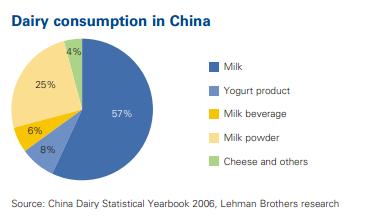
But these growth figures need to be explained. In 2025, dairy imports of China grew only 2% in volume but 13% in value (The Dairy News). So a big part of the 25% revenue growth of Fonterra in Greater China comes from higher dairy prices and a richer mix, with butter, cream and cheese replacing milk powder, and not from more tons. If global prices of butter and cream go down, reported growth will suffer, even if Fonterra continues to win share in professional kitchens.
| Daxue Overview |
|---|
| Size: Greater China revenue of NZ$7.96 billion in FY2025 (+25% YoY): ingredients NZ$4.55 billion, foodservice NZ$3.39 billion. |
| Position: China is Fonterra’s largest foodservice market; Anchor serves professionals in more than 500 cities (Gelonghui). |
| Strategic choices: Chinese farms sold in 2020-2021; Greater China excluded from the 2025 Lactalis deal. |
| Demand: butter, cream and cheese imports rising with tea drinks and bakeries, while liquid milk imports fall. |
| Trust: built through traceability and B2B service rather than consumer advertising. |
Fonterra in China: key figures
Exhibit 1: Fonterra grows in China while dairy import volumes barely move
| Indicator | Figure | Period | Source |
|---|---|---|---|
| Fonterra Greater China revenue | NZ$7.964 billion, +25.0% YoY | FY2025 | Beijing News |
| Of which ingredients | NZ$4.548 billion, +26.6% YoY | FY2025 | Beijing News |
| Of which foodservice | NZ$3.387 billion, +22.2% YoY | FY2025 | Beijing News |
| China’s dairy imports | 2.768 million metric tons, -9.5% YoY, third yearly decline | 2024 | Beijing News |
| Butter imports | 111,000 metric tons, +12.2% YoY | Jan-Sep 2025 | Beijing News |
| Cheese imports | 143,000 metric tons, +9.4% YoY (Beijing News); +8.7% YoY (Daily Dairy Report) | Jan-Sep 2025 | Beijing News; Daily Dairy Report via The DairyNews |
| Liquid dairy imports | 488,000 metric tons, -19.7% YoY | Jan-Sep 2025 | Beijing News |
| China’s dairy imports | Volume +2% YoY, value +13% YoY | 2025 | The Dairy News |
Sources: as listed in each row; table designed by Daxue Consulting.
Three crises shaped Fonterra’s China strategy
2008: melamine at Sanlu. Fonterra was a shareholder of Sanlu (三鹿), the Chinese dairy company at the center of the melamine scandal, where an industrial chemical was put in milk to show more protein. At least six children died and about 300,000 were sick. The scandal destroyed trust in Chinese infant formula, and for years many parents went to imported brands.
January 2013: DCD. New Zealand authorities found low levels of dicyandiamide (DCD), a chemical used on pastures, in Fonterra milk. The government said there was no risk for food safety, and several infant formula makers said their products were not affected.
August 2013: the botulism false alarm. On August 2, 2013, Fonterra told customers that three batches of whey protein concentrate could contain Clostridium botulinum. Tests later showed it was a harmless strain. But in a few days, the quality regulator of China banned Fonterra whey powder and base powder, and the ban was lifted only on October 31, 2014. Danone lost €370 million of sales and stopped its supply contract (FoodNavigator, October 2014).
Fonterra exited farming and built a foodservice business
Farms sold. After Sanlu, Fonterra built its own farms in China to control quality, and then sold them. In October 2020, it agreed to sell its Ying and Yutian farming hubs to a subsidiary of Youran Dairy (优然牧业) for US$513 million, and its Hangu farm to Beijing Sanyuan Venture Capital (Fonterra, October 2020). In June 2021, it sold two joint-venture farms in Shandong to AustAsia for US$115.5 million (Fonterra, June 2021). Both times, the reason given was to focus on New Zealand milk.
Foodservice expanded. Anchor Food Professionals (安佳专业乳品) sells butter, cream, cheese and recipes to bakeries, restaurants and drinks chains. Fonterra has six application centers in Beijing, Shanghai, Guangzhou, Chengdu, Shenzhen and Wuhan, with market, sales and chef teams, and a seventh one is planned (Gelonghui (格隆汇), interview with Fonterra Greater China VP Dai Junqi). In 2026, it launched a premium cream for professional bakeries at Bakery China in Shanghai (The Dairy News, July 2026).
China kept out of the Lactalis sale. In 2025, Fonterra agreed to sell its consumer brands business to Lactalis for NZ$3.845 billion, but not in Greater China. There, Fonterra kept the Anchor brand for consumers and professionals, and in July 2025 it merged its consumer and foodservice teams of Greater China (Jiemian (界面新闻), August 2025). According to Jiemian, consumer brands in Greater China sell nearly RMB 1.7 billion per year, against more than RMB 10.1 billion for foodservice.
Traceability as a selling point. At the China International Import Expo of 2025, where it came for the eighth year in a row, Fonterra promoted grass-fed New Zealand dairy and the new “New Zealand Certified Grass-fed Grazing” mark, with a Xiaohongshu campaign on traceability (Gelonghui).
Digital tools reach chefs and bakers
With the WeChat mini-program 安佳灵感+ (Anchor Inspiration+), foodservice customers get trends and recipes. On Xiaohongshu, the brand tells the story of traceability and grass-fed milk to consumers and bakers. Anchor works with the recipe app Douguo (豆果美食) on an AI nutritionist suggesting meal plans, and sells adult milk powder, liquid milk and children’s milk in official Tmall stores (Gelonghui, Jiemian). Chefs and bakery owners use the same apps as consumers to find recipes and trends.
How Fonterra’s China business has changed over the past decade
Exhibit 2: From crisis management to a professional dairy supplier
| Early 2010s | Today | |
|---|---|---|
| Image in China | Linked to Sanlu, DCD and the botulism alert | Supplier of bakeries and tea chains |
| Farms in China | Building farms in Hebei | Farms sold (2020-2021) |
| Main business | Ingredients for formula and dairy makers | Ingredients plus foodservice (NZ$3.39 billion in FY2025) |
| Consumer brands | Anchor, Anlene, Anmum | Kept in Greater China, sold elsewhere to Lactalis |
| Demand drivers | Infant formula after the melamine scandal | Tea drinks, bakeries, Western food, cheese |
| Imports | Milk powder growth | Milk powder and liquid milk down; butter, cream and cheese up |
Daxue Take: implications for dairy and food ingredient companies
- For companies working with Chinese partners, Sanlu shows that the risk for reputation is shared, so choosing and auditing partners is part of food safety. The risk is lower when the foreign company controls processing itself.
- For any food company in China, the botulism case of 2013 shows that a false alarm can bring a long ban from the regulator. Crisis plans including regulators and B2B clients, and not only consumers, reduce this risk.
- For exporters with a strong origin story, as the farm sales of Fonterra show, clients may care more about traceable imported supply than about local production assets. This is true as long as import tariffs and logistics costs stay reasonable.
- For dairy exporters, growth is mostly in “two oils and one cheese” (两油一酪): butter, cream and cheese, thanks to tea drinks and bakeries. Exporters selling mostly milk powder or liquid milk see import volumes going down, as Chinese production grows.
- For ingredient suppliers entering China, application centers, chef teams and recipes can turn a commodity into a service. This investment fits suppliers who can serve chains in several cities; smaller suppliers may rather use distributors.
Questions for leadership teams: Which partners carry reputation risk? What is the crisis plan if a regulator acts first? Which professional clients (bakeries, tea chains) drive demand for the product?
What to watch next
- Fonterra’s FY2026 results for Greater China, published in September 2026.
- China’s 2026 imports of butter, cream and cheese.
- Expansion of tea and bakery chains, the main professional buyers.
- Use of the grass-fed certification mark in Chinese retail and foodservice.
FAQ about Fonterra in China
How big is Fonterra in China? Fonterra made NZ$7.96 billion in Greater China in FY2025, up 25% YoY, of which NZ$4.55 billion from ingredients and NZ$3.39 billion from foodservice.
Which brands does Fonterra sell in China? Anchor remains its main brand. Fonterra kept the Anchor brand in Greater China when it sold its consumer brands to Lactalis.
What happened to Fonterra’s farms in China? Fonterra sold its Ying, Yutian and Hangu farms in 2020 and its two Shandong joint-venture farms in 2021.
What was the Fonterra botulism scare? In August 2013, Fonterra warned that whey protein might contain botulism bacteria. Tests showed a harmless strain, but China banned Fonterra whey and base powder until October 2014.
Which dairy imports are growing in China? Butter, cream and cheese imports grew in 2025, driven by tea drinks and bakeries, while liquid milk imports fell.
About Daxue Consulting
Daxue Consulting is a market research and strategy consulting firm focused on China. For dairy and food ingredient companies, Daxue Consulting sizes foodservice demand by channel, interviews professional buyers in bakery and tea chains, benchmarks suppliers on price and application support, and monitors reputation risks on Weibo and Xiaohongshu. Related analyses cover the ice cream market in China, cheese market in China and infant formula market in China. Learn more about our consumer research services or contact our team.
Author: Daxue Consulting