
In 1993, Guerlain’s fragrance strategy in China was based on a contradiction: although founded in 1828 and renowned for its fragrance heritage, the French maison emphasized skincare over fragrance in the Chinese market. Its local growth was primarily driven by skincare and cosmetics, causing a tension between its global fragrance legacy and its market positioning in China.
China’s beauty and fragrance market size
China’s cosmetic market was valued at USD 41.31 billion in 2025 and is expected to grow to USD 68 billion by 2032, with a CAGR of 7.38%. Beauty provides a relatively accessible entry into luxury, particularly for Gen Z consumers who associate purchases with self-expression and self-reward.
Skincare also helped Guerlain build trust because its hydration, repair, firming, and anti-aging benefits were more visible than those of fragrance. Chinese consumers’ interest in scientific efficacy, natural ingredients, safety, and credible research strengthened this foundation.
From 2018 to 2024, China’s fragrance market grew at a 14% compound annual growth rate, reaching nearly RMB 25 billion (USD 3.5 billion) in 2024 and projected to exceed RMB 33.9 billion by 2028.
However, despite this growth, fragrance penetration remains low. In 2022, only 5% of China’s massive population of 1.4 billion used personal fragrances, indicating substantial opportunities for long-term expansion.
China’s fragrance market is driven by younger consumers and niche brands
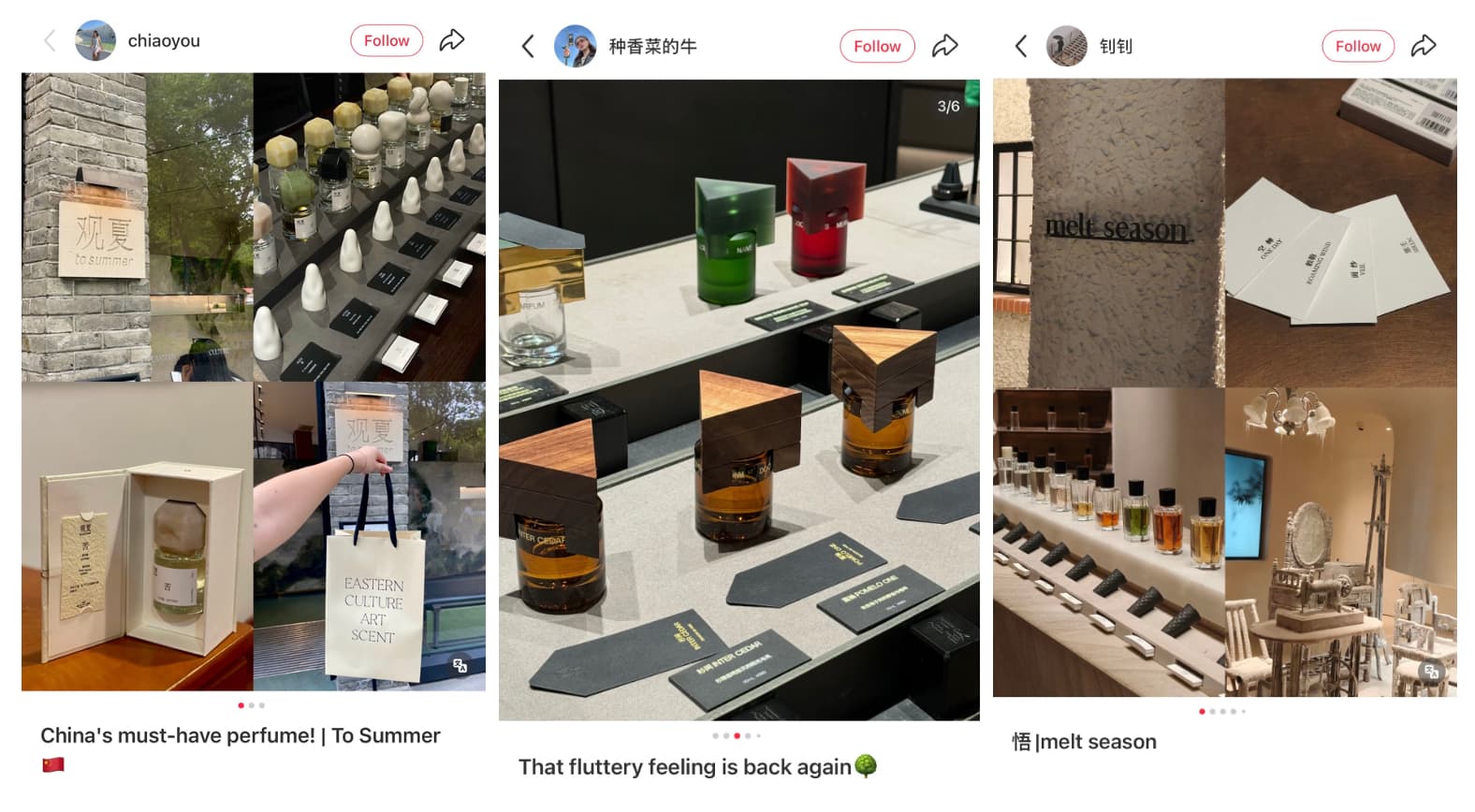
International beauty trends, social media discovery, younger consumers, and the rise of domestic niche brands have increased fragrance awareness in China. Local brands such as To Summer, Documents, and Melt Season have made the category more culturally relevant and accessible, attracting notable global investments from Puig, L’Oréal, Cathay Capital, and Sequoia China.
However, recent sales performance has been uneven. From Q1 to Q3 2024 fragrance sales fell by 14.6% on Taobao and Tmall. Sales also declined by 8.4% on Douyin. These results point to greater volatility and stronger competition, and Guerlain’s fragrance strategy in China should not rely solely on conventional luxury marketing, but rather create clear differentiation and stronger customer loyalty.
How Guerlain positions itself against three competitor groups
As younger consumers continue to engage with the fragrance market, the competitive landscape has shifted significantly, resulting in three main groups of competitors: domestic cultural fragrance brands, international luxury brands, and specialized international fragrance brands.
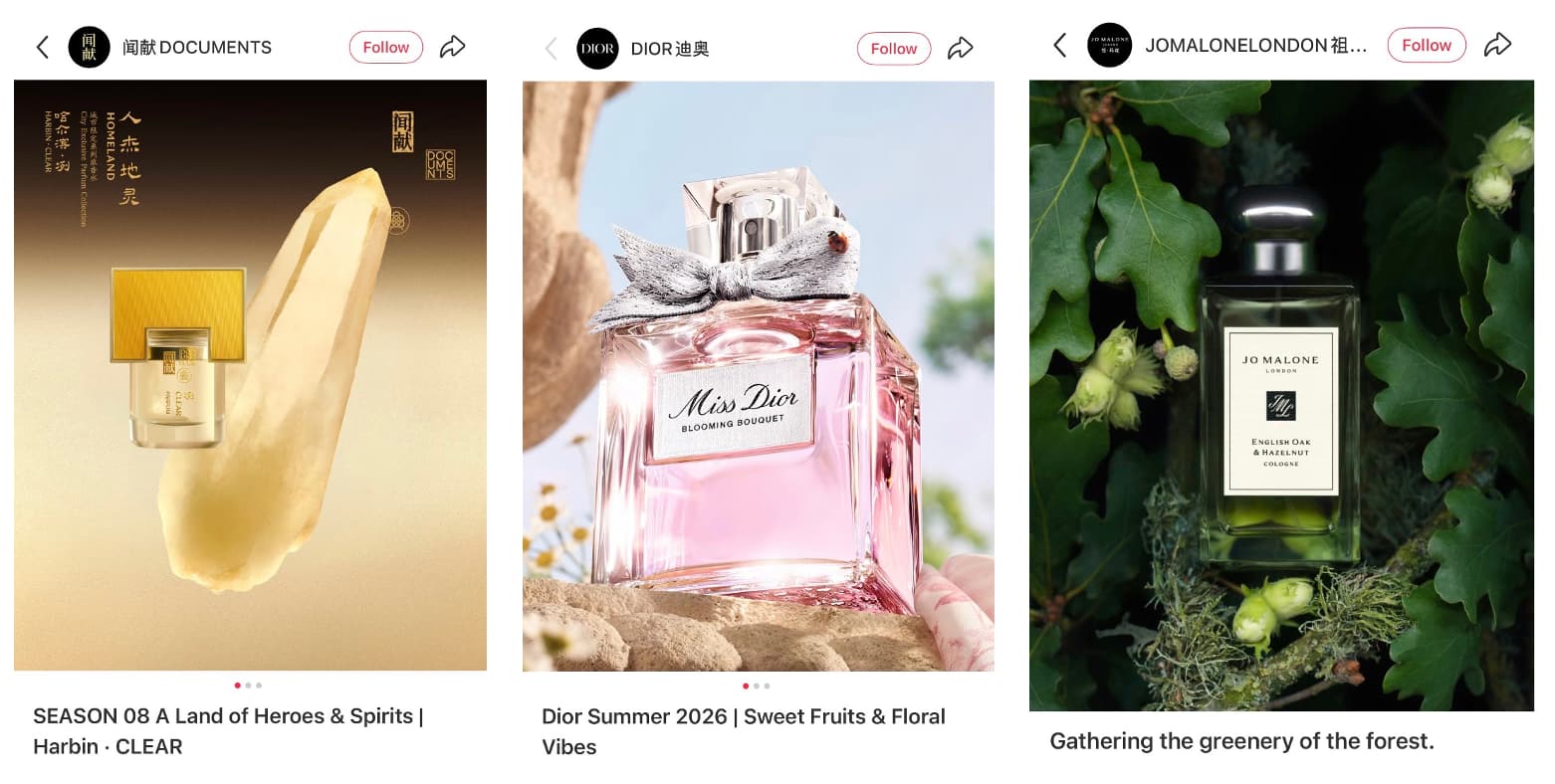
Domestic brands such as To Summer, Documents, and Melt Season compete through Chinese cultural narratives, botanical references, and local social media expertise.
Global luxury brands such as Chanel, Dior, Hermès, and YSL Beauty rely on recognition, distribution, and established beauty portfolios.
Specialist maisons including Maison Francis Kurkdjian, Jo Malone London, Diptyque, Le Labo, and Byredo compete through distinctive scent identities and niche credibility.
Guerlain holds a differentiated market position among these groups. Unlike domestic fragrance brands that mainly anchor their identity in Chinese cultural stories, Guerlain blends local Chinese elements with its long-standing French luxury legacy. Whereas big beauty conglomerates often depend on fashion appeal and broad brand recognition, Guerlain focuses on its rich fragrance history, fragrance expertise, rare ingredients, and handcrafted production. In contrast to modern niche fragrance brands that often highlight minimalism or unconventional scents, Guerlain leverages nearly two centuries of fragrance craftsmanship and its ties to European royal and imperial luxury.
This combination enables Guerlain’s fragrance strategy in China to position itself as both a heritage fragrance maison and a culturally responsive luxury brand.
Guerlain’s localized fragrance strategy in China
The shift in consumer demographics indicates that localization in China goes beyond superficial cultural elements such as traditional symbols, red festival packaging, or local celebrity collaborations. Instead, it focuses on translating expert fragrance knowledge, vertically integrated production, artisanal bottle crafting, and personalized services into compelling retail experiences that forge emotional bonds with Chinese consumers.
Some well-known premium fragrances feature richer leather, gourmand, and smoky woody notes. Nonetheless, many younger Chinese consumers prefer lighter profiles, such as floral, citrus, fruity, tea, and botanical scents. In response, Guerlain has highlighted gentler notes like orchid, tea, osmanthus, and bamboo. These ingredients are suitable for daily wear and evoke cultural, nostalgic, and aesthetic connections in China.
Thierry Wasser, Guerlain’s chief perfumer, provides a clear example of this approach. During a visit to Xi’an in 2012, he drew inspiration from the city’s history, natural environment, and cultural imagery. Guerlain later transformed this inspiration into Xi’an Impression, a China-exclusive limited-edition fragrance launched in 2021. The fragrance connects Guerlain’s French fragrance expertise with a distinctly Chinese cultural narrative.
Skincare created the foundation for fragrance growth
After Guerlain’s wider fragrance push received limited engagement in 2005, the brand used skincare to build consumer trust, expand its retail presence, and secure a premium position. As China’s fragrance market developed, Guerlain used this reputation to strengthen its fragrance identity.
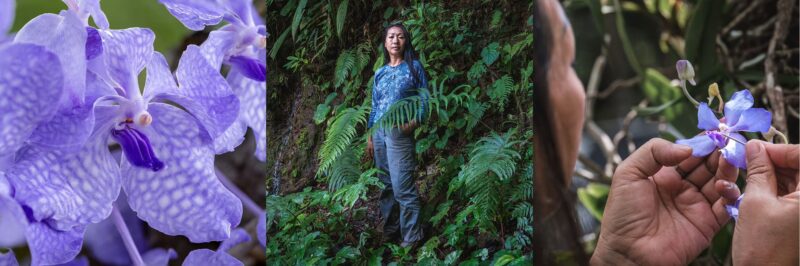
Orchidée Impériale became a key part of this strategy. The collection focuses on orchid research, rare botanical ingredients, and advanced anti-aging benefits, appealing to consumers who value exclusivity, scientific authority, and premium skincare. Through this collection, Guerlain reinforces its premium status through specialized research and sustainable efforts, such as its Orchidarium® and botanical preservation initiatives with the Tianzi Nature Reserve in China’s Yunnan Province.
Abeille Royale, formulated around honey and royal jelly, serves as a comparatively accessible entry point into Guerlain’s luxury skincare range, emphasizing repair and anti-aging, which enables the brand to appeal to a broad group of consumers seeking both prestige and visible skincare benefits.
Together, the two collections created a tiered skincare portfolio, with Abeille Royale attracting a broader consumer base and Orchidée Impériale emphasizing exclusivity and drawing in high-value clients. This skincare credibility would later support Guerlain’s renewed fragrance positioning, as consumers already associated the brand with scientific research, natural ingredients, product efficacy, and luxury quality. This positioning allowed Guerlain to transfer some of the trust built through skincare to its fragrance portfolio.
Guerlain’s strategic challenge
For many Chinese consumers, Guerlain remains more closely associated with skincare than with fragrance. While Abeille Royale and Orchidée Impériale continue to succeed in the cosmetic market, Guerlain’s fragrance remains a secondary part of the brand’s local identity.
Guerlain’s challenge in China is not simply to increase fragrance sales. It must also change how consumers understand the brand. While celebrity partnerships, festival packaging, livestream campaigns, and temporary pop-ups can increase visibility, these tactics cannot establish fragrance authority on their own. Surface-level localization is also insufficient in an increasingly competitive market.
Guerlain must make its fragrance expertise visible and relevant by communicating ingredient origins, scent composition, production methods, bottle craftsmanship, and the the creative role of the perfumer. These elements must also be translated into retail experiences that Chinese consumers can understand, experience, and share.
As Saint-Genis, President and CEO of Guerlain, explained, the rise of Chinese fragrance brands has created stronger competition, but Guerlain also views this as an opportunity to emphasize its heritage and expertise across skincare and fragrance.
The brand’s long-term opportunity is to use the trust built through skincare as a foundation for fragrance growth. Its success will depend on combining heritage, product innovation, cultural relevance, and differentiated customer experiences, aiming to reposition Guerlain in China as a recognized fragrance authority, rather than primarily as a luxury skincare brand.
Guerlain’s fragrance strategy in China
- Guerlain entered China with a strong global fragrance heritage, but weak local fragrance demand pushed the brand toward skincare-led growth.
- Abeille Royale and Orchidée Impériale established consumer trust through scientific efficacy, premium ingredients, and visible skincare benefits.
- China’s expanding fragrance market, younger consumers, social media discovery, and domestic niche brands created stronger conditions for Guerlain to revive its fragrance business.
- Guerlain differentiates itself by combining French fragrance heritage with Chinese cultural references, lighter scent profiles, and localized ingredients such as tea, osmanthus, orchid, and bamboo.
Author: Ann-Kristin Knoerr, edited by Ming Yii Lai, with additional research by Kyle Gumangan