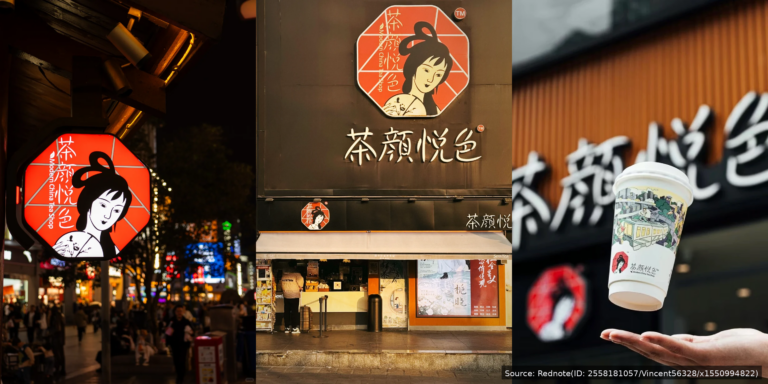


In the last few years, national confidence has exerted a significant influence on consumption trends in China. Within this changing landscape, Guochao (国潮 – literally “National Tide”) exists. This trend is a reflection of the younger generation’s profound interest in China’s culture, traditions, and domestic brands, reflecting a cultural shift towards domestic products and a celebration of the nation’s heritage.
Guochao does not necessarily mean that Chinese consumers have closed the door to international players. Instead, it raises the standard for localization. International brands can still benefit from their global reputation, but this reputation needs to be supported by a deeper understanding of Chinese culture, consumer identity, and local usage scenarios. They need to move away from surface-level Chinese design elements to more credible cultural collaboration, product innovation, and storytelling.
From Chinese nationalism to cultural confidence
The evolution of a culture-defining phenomenon
While taking inspiration from historical elements like Confucianism, the concept of “Cultural Confidence” (文化自信) has gained prominence in recent years in modern Chinese society.
It represents a way for China to project soft power abroad and also the renewed interest of the Chinese people in their own cultural heritage. This cultural pride is carried by China’s rich cultural heritage and the recent economic upturn the country has known since the Deng Xiaoping era. The Chinese government has been pushing this trend forward as part of the Chinese Dream, a key concept in Xi Jinping’s vision for Chinese society.
The impact of cultural pride on the Chinese consumer market
The ongoing cultural renaissance in China significantly shapes consumer trends, redefining the factors that make a product desirable. Historically, foreign brands held an advantage in the Chinese consumer market, often associated with quality and prestige, a trend that in some fields persists today. However, recent years have witnessed a shift, with Chinese consumers showing a heightened sensitivity to domestic trends and Chinese brands increasingly meeting their needs effectively.
Chinese brands are becoming recognized for their improvements in product quality and production speed. Compared to foreign brands, they are often better positioned to respond quickly to emerging trends and shifts in Chinese consumer preferences.
This shift is especially visible in beauty, where domestic brands have gained ground by combining faster product cycles with stronger adaptation to Chinese aesthetics. Among China’s top 20 color cosmetics brands, the share of Chinese brands doubled from 14% in 2017 to 28% in 2022. This suggests that Guochao is increasingly supported by product relevance, local consumer understanding, and the ability to turn Chinese aesthetics into commercially competitive products.
Although Guochao has gained traction among Chinese youth, several obstacles impede its wider adoption. Issues like subpar quality, plagiarism, and high prices have resulted in reduced purchases among Guochao enthusiasts. The younger generations, particularly the post-90s and post-00s, exhibit strong interest in deep cultural vision of a brand and the scientific backing of their product effectiveness. These consumers seek higher quality and less superficial use of Chinese symbols in their Guochao products and are keen on sharing their buying experiences online.

The evolution of Guochao: reviving cultural heritage and redefining industries
Guochao 1.0
Guochao 1.0 represents the early stage of a consumer trend that emerged in China around 2011. During this period, there was a significant uptick in the favoring of well-established Chinese brands like Li Ning (李宁), Pechoin (百雀羚), and Warrior (回力). This shift in consumer preference wasn’t limited to specific industries but spanned various product categories, including clothing, footwear, food, and everyday essentials. The rising popularity of Chinese brands indicated a shift in consumer attitudes, reflecting a growing appreciation for domestic products.
Guochao 2.0
By 2020, Guochao had expanded beyond everyday goods and fashion into high-tech categories. Domestic technology brands became part of the trend by combining Chinese branding with clear improvements in performance, innovation, and consumer relevance.
In 2025, the national pride trend evolved from surface-level aesthetics to a deeper, more sophisticated cultural and scientific narrative. Rather than relying on Chinese characters or traditional motifs alone, brands increasingly integrated cultural heritage with ingredients, technology, and more credible product storytelling.
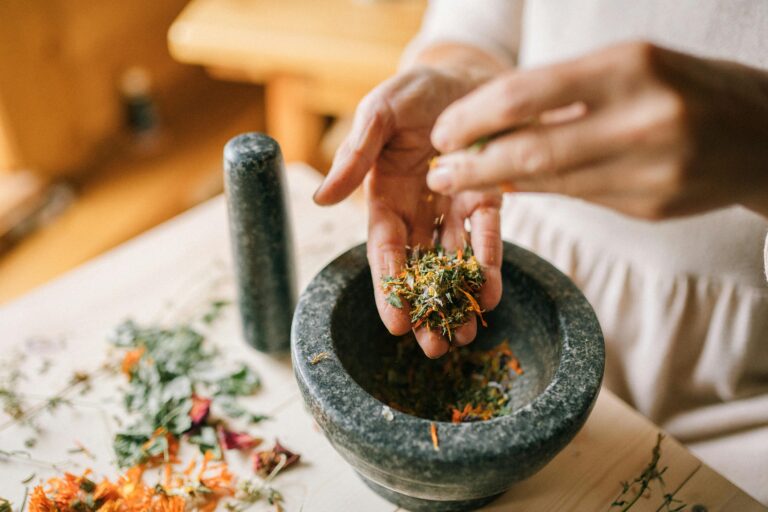
In beauty, this shift can be seen in the rise of modernized TCM, traceable local ingredients from regions such as Yunnan and Tibet, and a stronger emphasis on craftsmanship and philosophy as part of brand identity. A representative example is Herborist, which has moved beyond using traditional Chinese medicine as a symbolic reference and applies biotechnology, including fermentation, to improve the efficacy of heritage ingredients.
Guochao 3.0
The rise of Guochao 3.0 has led to a surge in the popularity of Chinese cultural Intellectual Properties (IPs). Chinese youth actively support traditional cultural elements by embracing traditional Hanfu attire, engaging with Guochao movies, and watching reality shows that explore Chinese heritage and archaeological discoveries. This cultural revival not only signifies the growth of Chinese soft power but also introduces Chinese productions to global entertainment platforms like Netflix. This cultural shift has had a significant impact on entertainment IPs, cartoons, reality shows, and movies.
In the summer of 2023, “Chang An” (长安三万里) emerged as a cinematic masterpiece, enchanting audiences with its poetic depiction of the Tang Dynasty. This animated movie has not only garnered an impressive Douban rating of 8.2 but has also captivated over 20 million viewers.
Alongside other notable films like “Ne Zha (2019)” and “Jiang Ziya (2020),” deviates from conventional children’s narratives. Instead, it embraces traditional story foundations to delve into contemporary social issues. This distinctive approach establishes emotional connections with audiences of diverse ages, ethnicities, and areas in the country.
Guochao 4.0
Guochao 4.0 marks the global expansion of China’s soft power. The turning point came in 2023, when iShowSpeed’s China trip offered millions of global viewers an unfiltered look at modern Chinese life, while “TikTok refugees” from the US who flocked to Xiaohongshu discovered authentic daily experiences that shattered Western stereotypes.
Meanwhile, Chinese brands and IP are achieving genuine global recognition as trendsetters in fashion, tech, and entertainment. E-commerce platforms like Temu and Shein have made Chinese products household names worldwide. Inside China, this external validation fuels rising national confidence. Chinese citizens are on a positive feedback loop where they see their culture, innovations, and lifestyle choices being embraced internationally. Guochao 4.0 is unique in its grassroots, digital-first nature that started in organic cultural exchange.
Foreign luxury brands responding to China’s cultural confidence
In the realm of luxury, Guochao assumes a distinctive role, setting it apart from other industries. Currently, international brands still hold sway in the market, as Chinese luxury brands have yet to achieve the same level of prestige as their foreign counterparts. However, Guochao acts as a symbol of foreign luxury brands’ commitment to the Chinese market. Luxury brands employ this strategy to align with the preferences of Chinese consumers, demonstrating their dedication to this crucial market and their respect for the Chinese culture.
In response to the rising influence of Guochao in the Chinese market, foreign luxury brands are adopting strategic measures. For instance, Louis Vuitton inaugurated a restaurant within a historic building at Sino-Ocean Taikoo Li Chengdu (成都太古里) in July 2023. This move strengthens its bonds with the local community and embraces China’s rich historical and cultural heritage.
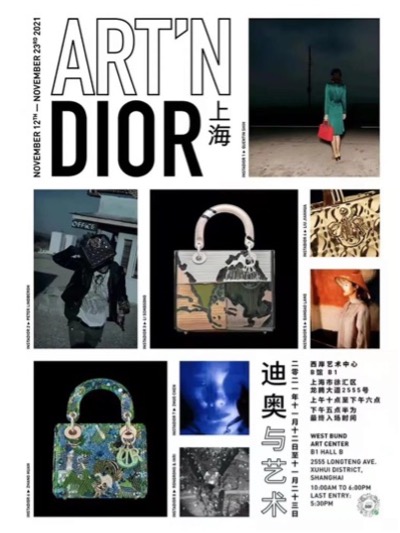
Additionally, luxury brands are collaborating with Chinese artists and museums to engage with local consumers. For example, the French luxury powerhouse Dior organized an innovative exhibition named “ART‘N DIOR,” held at the West Bund Art Center in Shanghai in November 2022. This cultural event showcased exceptional works by Chinese artists such as Yang Mian, Zhang Ruyi, and Liu Wa, each offering a unique interpretation of the renowned Lady Dior handbag. Through this exhibition, Dior seized the opportunity to deepen its meaningful connections with Chinese luxury enthusiasts.
Decoding Guochao, China’s cultural Renaissance
- Over the past few years, Guochao has risen as a trend reflecting the younger generation’s profound interest in Chinese culture and domestic brands.
- Fueled by a renewed interest in Chinese cultural heritage and the economic upturn, “Cultural Confidence” has become a defining phenomenon projecting soft power and shaping consumer trends.
- Guochao 1.0 marked the favoring of well-established Chinese brands.
- Guochao 2.0 broadened its scope to high-tech products, including mobile phones, cars, smart household appliances, and cosmetics, and has evolved into a more mature phase where consumers expect substance, scientific credibility, and deeper cultural storytelling.
- Guochao 3.0 witnessed the rise of Chinese cultural Intellectual Properties (IPs), impacting entertainment, cartoons, reality shows, and movies.
- In response to the increasing influence of Guochao, foreign luxury brands are proactively collaborating with Chinese artists and museums. This strategic initiative seeks to foster stronger connections with local consumers and build a more robust community bond
- Despite popularity, challenges like subpar quality and high prices hinder broader Guochao adoption. Yet, younger generations, driven by national pride, remain open to brands offering higher quality and cultural significance.