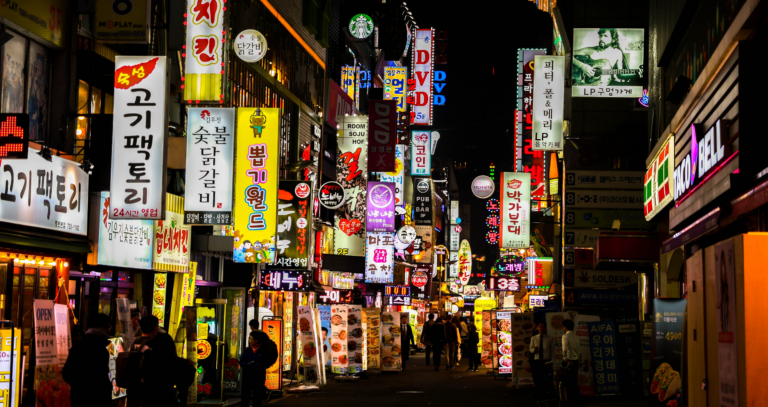

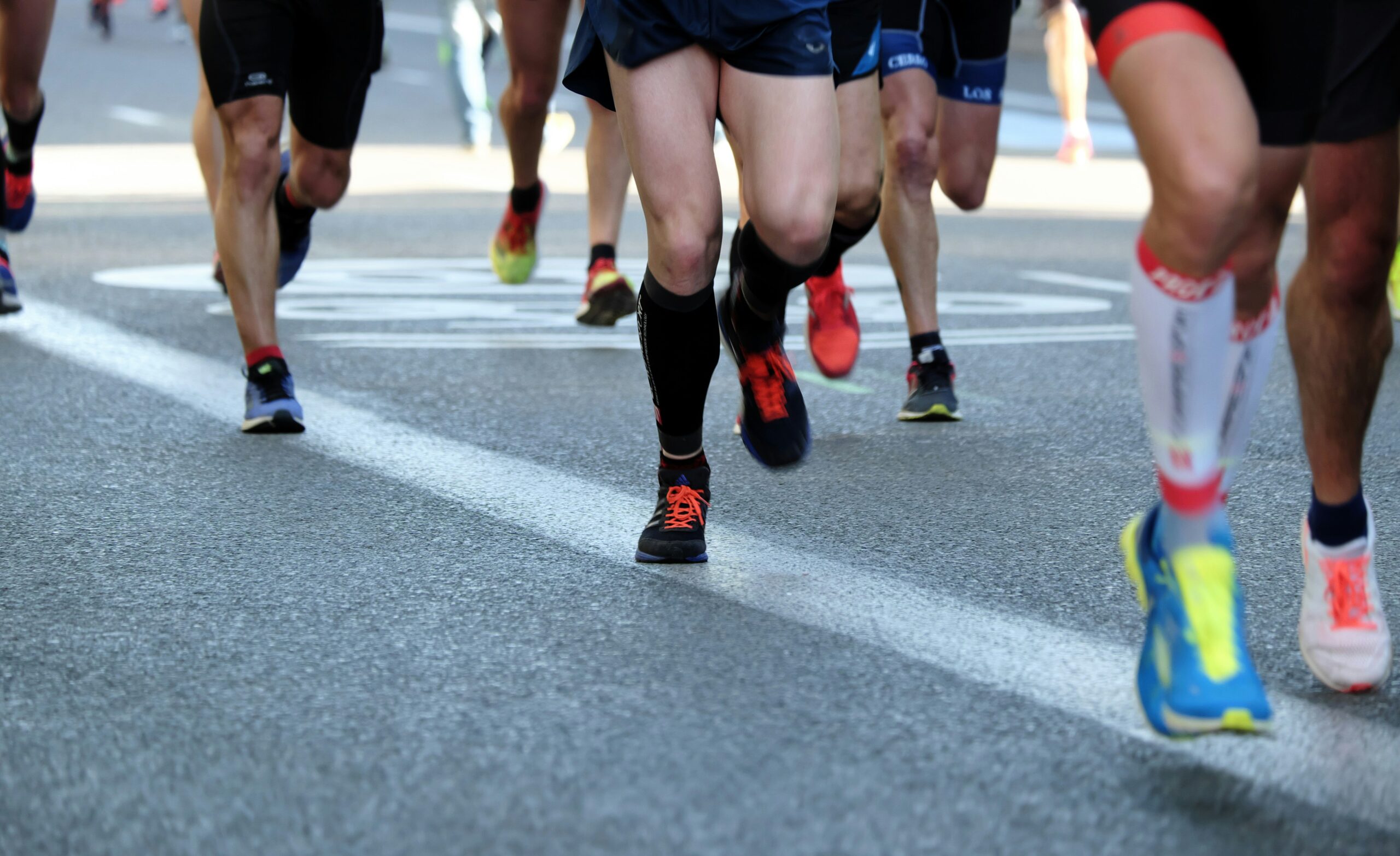
Korean consumers, especially those in the MZ Generation, are adopting sports as part of their healthier lifestyles – but with a different mindset than in the past. Previously, consumers associated health with pain, often engaging in strict diets and little physical activity. Today, people perceive health as being a fun experience, reflected in the health pleasure (헬스 플레저) trend. People are showing interest in a wider range of sports, ranging from golf and Pilates to outdoor running and baseball. Amid South Korea’s aging population, staying active is becoming a greater priority for many, drawing increasing attention from brands in the sports market in South Korea.
Read our Korea’s MZ Generation report

The sports market in South Korea is on the rise and digitalizing
According to the Ministry of Culture, Sports and Tourism, South Korea’s sports industry grew by 3.8%, increasing from KRW 78.16 trillion in 2022 to KRW 81.03 trillion in 2025. The Korean government also aims to expand the sector to KRW 100 trillion by 2028 through supportive policies, reflecting a strategic focus on both economic and cultural development. One of their plans is to introduce a cultural expense tax deduction for gym and swimming pool usage fees to increase the participation rate.
At the same time, the eSports market is rapidly expanding. According to Deloitte, the South Korean e-sports market is expected to grow from USD 300 million in 2025 to USD 520 million in 2034. Together, these trends illustrate a sports market in South Korea that integrates traditional physical sports with digital and competitive gaming, positioning the industry as a dynamic and rapidly evolving sector poised for continued growth.
South Korea’s sports culture moves beyond the outdoors
As more South Koreans embrace active lifestyles and seek sports they can enjoy, participation in both traditional and recreational sports is steadily increasing. Activities such as hiking, jogging, Pilates, and gym workouts have become integral parts of daily routines, while interest in golf, baseball, and water sports continues to grow.
This rise in fitness awareness has also increased demand for sports equipment, apparel, and wellness-related services, bridging the gap between leisure and lifestyle. At the same time, the digital transformation of sports from online fitness communities to virtual competitions has blurred the lines between physical activity and digital engagement, creating a more connected and interactive sports culture.
How passion and pride shape the country’s top sports
Soccer, baseball, and taekwondo are among the most popular and widely practiced sports in South Korea, each showing a different side of the country’s passion for sports. Koreans love both watching and playing soccer, especially since co-hosting the 2002 FIFA World Cup, and the country’s national team consistently qualifying for the tournament, inspiring widespread participation among youth.
Baseball holds a strong cultural presence in South Korea, with the Korea Baseball Organization (KBO) League drawing millions of fans and producing internationally recognized players. For many Koreans, baseball is more than just a sport; they consider it a complete entertainment experience. According to a 2024 KBO League survey of 8,000 fans, 92.4% said they had visited a baseball stadium at least once in the past year. Among them, 60.2% cited “baseball itself being fun” as their main reason for attending, while others highlighted the “cheering culture”, 52.1% and the “variety of food”, 36.1% as key parts of the enjoyment.
Taekwondo, Korea’s traditional martial art, stands out as a symbol of national pride and Olympic success, earning South Korea over 22 Olympic medals since its debut in 1988. Winter sports like skating and skiing have also gained attention since the 2018 PyeongChang Winter Olympics, as more people head to resorts and ice rinks during the colder months. This shows that sports in Korea are more than games; they are a way people connect, celebrate, and express their love for their country.
Koreans share Healthstagram (헬스타그래) as a form of motivation
Instagram, one of the most widely used social media platforms in South Korea, not only among the younger generation but also among those in their 50s, has become an important driver of sports participation. Sharing pictures under the #Healthstagram (헬스타그램, a portmanteau of “health” and “Instagram”) is common among young people who share posts of themselves doing sports and exercising. While doing so allows them to show off, it also provides them with the motivation to do sports regularly. Some of the most popular hashtags include #Ounwan (#오운완, meaning “today’s workout is done”) and hashtags ending with “rini” (“린이”, meaning “beginner”). For example, #헬린이 refers to gym beginners, #런린이 to runners, and #자린이 to cyclists.

How brands use sports promotions to engage health-conscious consumers in South Korea
The global running boom has become a central part of daily life in South Korea. On Naver, monthly search results from October 2017 to October 2025 grew by 175%. More people, however, are running outdoors, through neighborhoods, rivers, and popular city spots, and participating in marathons.
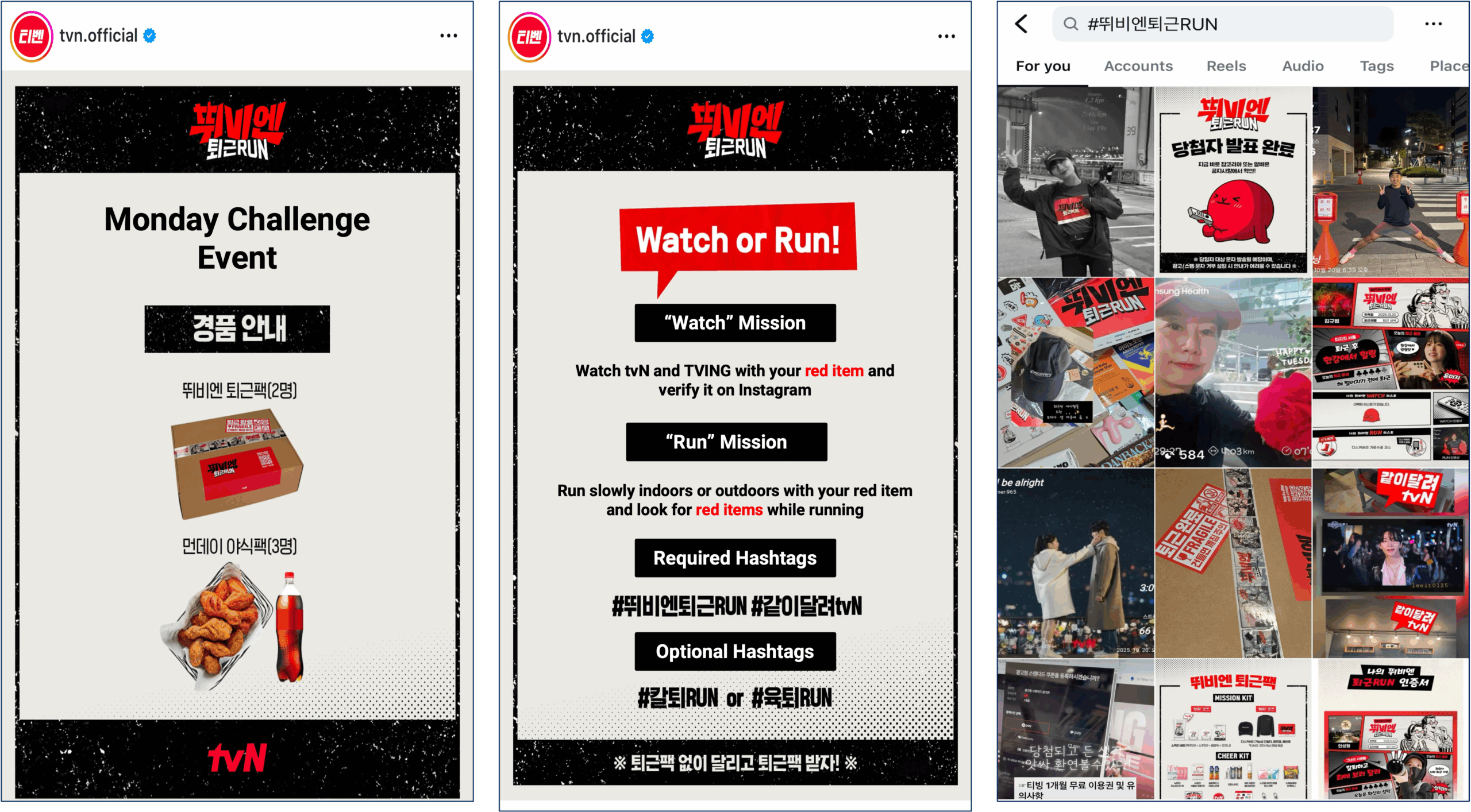
Brands have leveraged this growing enthusiasm for sports in innovative ways. One example is tvN, a South Korean nationwide pay television network owned by CJ ENM’s Entertainment Division, which has been creatively linking sports with entertainment. Every Monday, tvN launches a mission that encourages participants to either watch movies available on its platform or go for a run and share proof on Instagram. Runners are asked to take photos featuring red items, the brand’s signature color and include mandatory hashtags such as #뛰비엔퇴근RUN (“tvN_Dash home after work!”) and #같이달려tvN (“Run together with tvN”).
Winners are announced the following Wednesday and receive voucher and limited prize boxes filled with high-value items. One example includes a Discovery brand cap priced at KRW 59,000. This marketing strategy has been highly successful, largely because of its creative engagement format and the limited-edition gift boxes that add excitement and exclusivity for participants.
Viral Samsung ad demonstrates Korean’s increasing concern for longevity
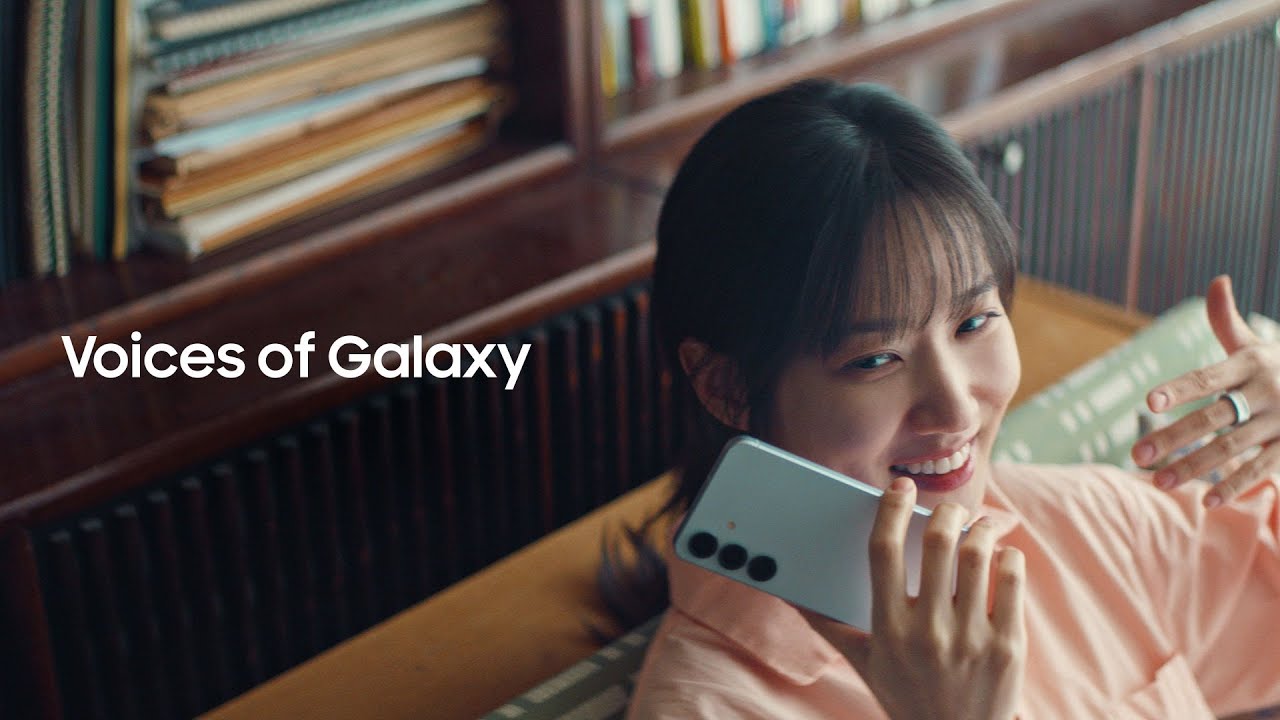
In March 2025, Samsung Electronics launched another viral campaign for “Voices of Galaxy”, featuring famous actress Park Eun Bin. The video opens with the actress asking hesitantly, “Tell me exact reasons why I need to exercise?” The Galaxy AI, Google Gemini, gently responds, “Imagine being older and out of breath. You will regret it and tell yourselves why I did not exercise on that day. You will thank yourself for exercising today.”
The campaign shows how Galaxy AI naturally fits into people’s everyday lives while connecting with them on an emotional level. The video resonated with young consumers, including working professionals in their 30s and 40s, with comments like “That’s exactly me!” flooding community forums.
Instead of highlighting technical specs, Samsung takes a more human and empathetic approach, using sports and fitness as a bridge to connect with health-conscious consumers. By positioning Galaxy as a daily wellness companion, the brand shows that technology can inspire healthier habits and motivate people to move.
Key takeaways of the sports market in South Korea:
- South Korea’s aging population and the wellness-focused MZ Generation is driving increased participation in sports.
- South Korea’s sports culture is built on passion, unity, and pride, with soccer, baseball, and taekwondo leading participation and fan engagement, while winter sports continue to grow in popularity
- Activities like jogging, hiking, pilates, and gym workouts are now integral to daily routines, while demand grows for sports equipment, apparel, and wellness services.
- Instagram’s “Healthtagram” trend encourages sharing workouts, making health-focused marketing highly effective for brands.
- Companies like tvN and Samsung use creative campaigns blending sports, lifestyle, and emotional storytelling to connect with consumers.