

Sun protection in China: the market that’s growing, shrinking, and transforming all at once

Chinese consumers, whose skin tends to both burn and tan, treat sun protection as a daily routine that prevents tanning, keeps skin bright, and slows aging. As a result, demand for sun protection in China runs all year and appears across many product types. China’s sun protection market is really two markets moving in opposite […]
Price wars are losing their edge in China’s automotive industry

The automotive industry in China has indeed become increasingly competitive, especially with Chinese brands scaling production quickly and delivering high tech cars at affordable prices. However, following the intense price wars, consumers are shifting to more value-driven purchases. While price remains a key purchasing factor, they are also evaluating the value of the car and […]
China’s fashion industry: Growth returns, but consumers are more selective

China remains an indispensable pillar of the global fashion economy. On the consumption side, the mainland is one of the world’s largest apparel consumer markets and the world’s third-largest personal luxury goods market. On the production side, China remains the world’s largest exporter of textiles and clothing products. In 2025, retail sales of apparel, footwear, […]
SIAL China Shanghai 2026 recap: Signals from Asia’s largest F&B trade show
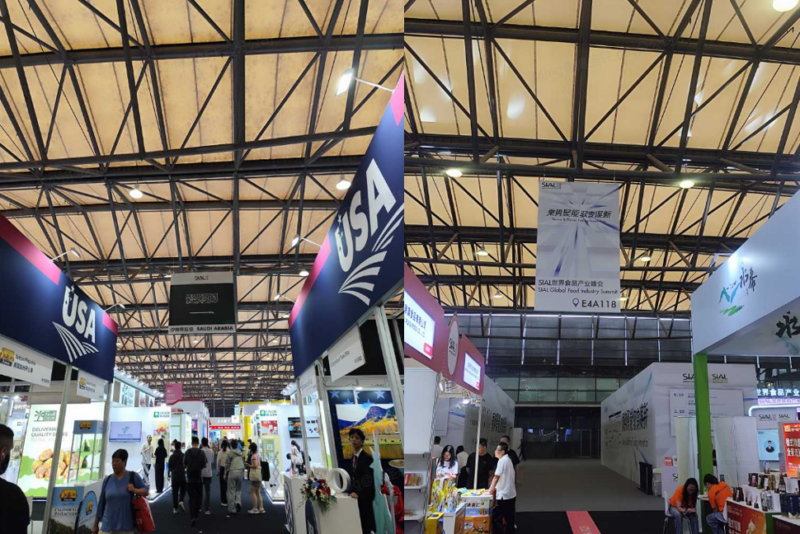
The recent SIAL China 2026 exhibition revealed a food and beverage industry increasingly focused on trust, provenance, and functional value. Across the exhibition halls, organic products graduated into a standalone category, geographical origin became a front-of-pack selling point, and brands showcased visible fruit, vegetable, and functional ingredients as proof of authenticity. Meanwhile, categories that dominated […]
Discovering China’s new luxury hot spots: Emerging luxury hubs beyond Shanghai and Beijing
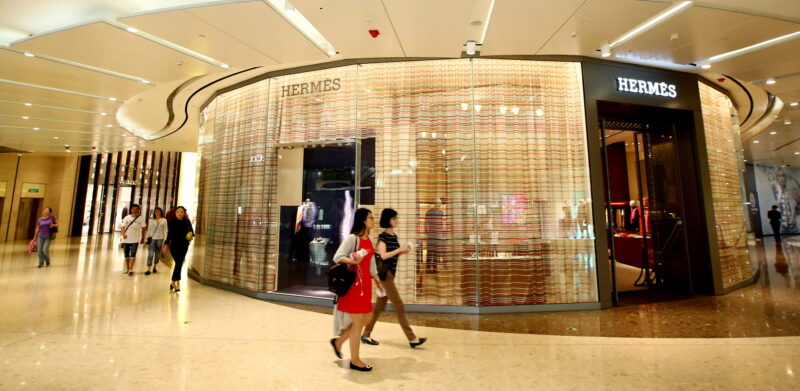
Chinese major international hubs like Shanghai, Beijing, and Hong Kong have traditionally acted as China’s luxury hot spots. As of 2023, this trend continues to dominate with Shanghai boasting a luxury consumption volume of RMB 53.5 billion, placing it in the lead. Beijing closely follows with RMB 52.3 billion. In 2025, according to Bain & […]
China Mall Innovation 2026 Report

New consumption habits calls for new consumer spaces. Market share of online purchases in China has declined from 27.6% in 2023 to 26.1% in 2025. Malls have always played an important role in China’s consumer markets, and with the quick rise of e-commerce in China, the natural assumption would be that malls are increasingly irrelevant. […]
China’s electronics buyers: how the trade-in subsidy pushed 91 million phones and digital devices

Chinese consumers once went online to find cheaper electronics; in 2025, a national subsidy paid part of the price and reshaped when and how they buy.
Pickleball in China: Built on familiarity, racing ahead

The global pickleball market is projected to rise from USD 2.2 billion in 2024 to USD 9.1 billion by 2034, a 15.3% CAGR. But China’s trajectory stands apart. While the sport has been widely associated with retirees in the US and club‑driven growth in Europe, China’s adoption pattern is younger, faster, and shaped by a […]
Dong-E E-Jiao: how China’s donkey-hide tonic brand survived a price bubble and returned to growth
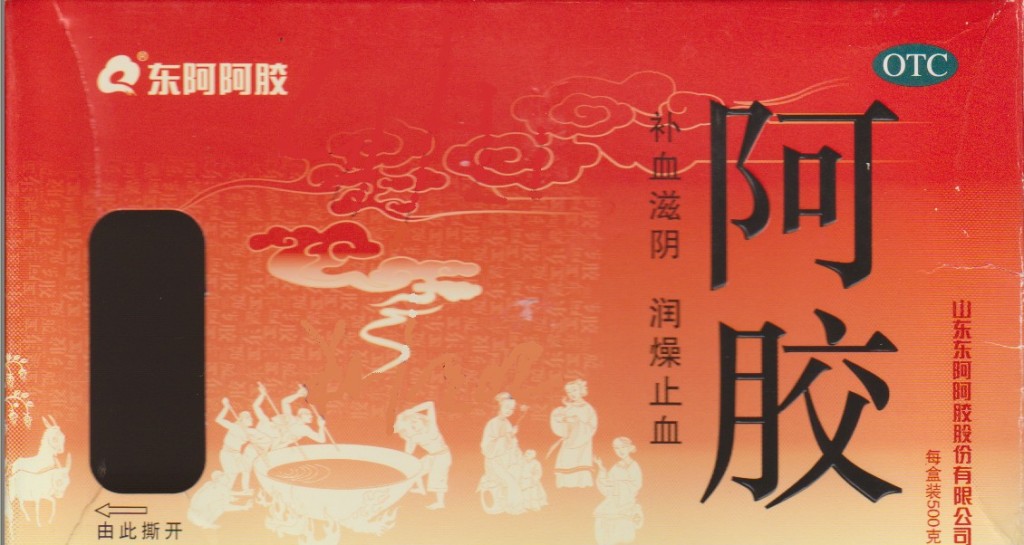
Dong-E E-Jiao turned a traditional tonic into a luxury good, crashed when distributors became its main buyers, and recovered by cleaning its channels and widening its formats.
The challenges of China’s low-GI food market: From fast growth to sustainable adoption

China’s low-GI food market is expanding rapidly, but growth does not yet equal sustainable demand. The category is being driven by policy support, retailer expansion, and brand innovation. Yet, consumer adoption remains constrained by limited understanding, price resistance, and weak product experience. Thus, the challenge of China’s low-GI food market is whether brands can turn […]
Wellness as a daily ritual: China’s low-GI food market and the next wave of functional food

Within China’s low-GI food market, products are generally defined as foods with a glycemic index (GI) threshold of 55 or below. The carbohydrates of these products are digested and absorbed more slowly. It leads to a more gradual release of glucose into the bloodstream rather than sharp blood sugar spikes. The concept of low GI […]
Sportswear brands in China: how Olympic sponsorship helped Chinese brands lead the market

Anta now earns more in China than any foreign sportswear brand, and Chinese groups have used Olympic partnerships and acquisitions to move up-market, while Nike’s Greater China sales decline.