
Why imperfection is the new cool
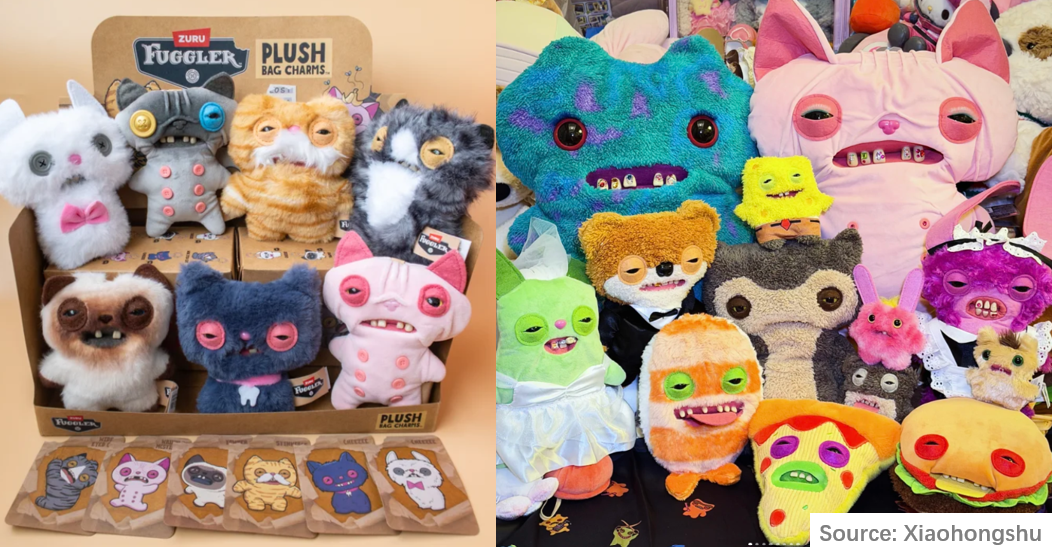
For decades, the global aesthetic standard, particularly in East Asia, has been dominated by the pursuit of “perfection.” From filtered social media photos to the rigid “white, young, and skinny” beauty ideals, the pressure to look flawless has been immense. However, a counter-movement is sweeping through China, challenging this status quo. Welcome to the ugly cute trend in China, a cultural shift celebrating the weird, the awkward, and the imperfect.
The psychology behind “Ugly Cute”: Relief and rebellion
At its core, the ugly cute trend in China is driven by a need for psychological relief. In a hyper-competitive society, the pressure to maintain a perfect facade is exhausting. “Ugly cute” (丑萌) teaches consumers that imperfections are worthy of love, acting as a form of self-acceptance.
Scientifically backed for stress relief
Interestingly, research conducted by the University of Tokyo found that staring at “ugly-cute” images for 30 seconds reduced cortisol (the stress hormone) levels by an average of 12%. This effect is comparable to deep-breathing meditation, proving that these visually jarring designs offer a genuine physiological decompression.
Furthermore, the trend functions as a rebellion against a single aesthetic standard. Buying something deliberately weird signals that you are not just following the mainstream. It is a form of identity expression for a generation looking to break free from the “perfection trap.”
From subculture to mainstream: The timeline
The ugly cute trend in China did not happen overnight; it has been evolving for over a decade. According to industry analysis, the journey began around 2010 with the rise of “Sister Furong” and “Sister Feng,” early internet icons who gained fame through unconventional means. By 2015, the GIF era brought “ugly cute” emojis and the “Giao” meme into everyday meme culture.
The turning point occurred between 2018 and 2020, when short video platforms exploded. Characters like “Brother Giao” and the “Domestic Boy” became viral sensations, breaking the trend into the mainstream. By 2023, with the explosion of blind boxes and IP-driven retail, brands began actively manufacturing “ugly” marketing, solidifying this aesthetic as a commercial powerhouse.
The economics of “Ugly”: Who is buying?
The demographics behind this trend are revealing. The ugly cute trend in China is heavily female-dominated, with women accounting for 84.53% of the consumer base. The age group is primarily between 19 and 30 years old. These are young people who are navigating high-pressure lives and are looking for emotional outlets.
Geographically, the trend is concentrated in “New Tier-1” cities (24.95%), followed by Tier-2 (19.84%) and Tier-1 (16.97%) cities. These are the “breakthrough seekers” living in high-pressure urban environments, using “ugly” consumption as a social currency to find like-minded communities.
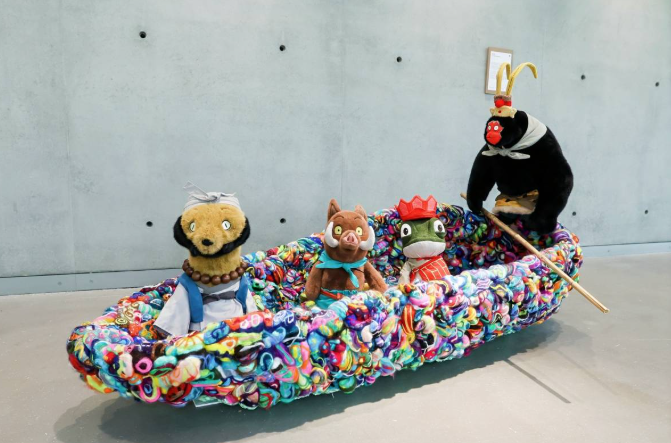
The commercial viability is undeniable. Taobao’s “Uglies Award” is now in its fifth year, and the physical exhibition has doubled in size. Grassroots communities like the Douban group “Ugly Things Protection Association” have grown from 5,000 to nearly 250,000 members. Brands are taking note: Balenciaga creates “high-end ugly” shoes (like the “durian shoe”), and Taobao hosts competitions to define “folk ugly aesthetics.”
Is it here to stay? From fad to global phenomenon
Critics often ask if this is just a fad. While specific memes and viral objects will cycle in and out of popularity, the underlying aesthetic language of anti-perfection and expressive awkwardness are here to stay. It has become an institutionalized part of the ecosystem, with creators moving from one-off viral hits to sustained IP development.
Moreover, the ugly cute trend in China has legs to go global. The clearest proof is Labubu, a Chinese designer toy IP that has achieved massive international success. Its global breakout stems from a precise reading of youth cultural psychology, combined with modern design and sales strategy. As China’s designer-toy market exceeded RMB 50 billion in 2023, it has become a global language of emotional relief.
The ugly cute trend in China is a multifaceted phenomenon
- The trend is driven by a desire to escape the pressure of perfection. “Ugly cute” designs offer stress relief (shown to reduce cortisol by 12%) and serve as a form of identity expression against rigid beauty standards.
- The core consumers are young women (84.53% female, predominantly aged 19–30) living in high-pressure Tier-1 and New Tier-1 cities, who use “ugly” products as social currency and emotional outlets.
- The trend is institutionalized through platforms like Taobao’s “Uglies Award” (now in its fifth year) and grassroots communities (e.g., Douban’s group growing to 250,000 members), with brands like Balenciaga actively manufacturing “high-end ugly” designs.
- While specific memes are cyclical, the anti-perfection aesthetic is here to stay. Chinese IPs like Labubu prove the trend can cross borders, supported by a designer-toy market exceeding RMB 50 billion in 2023.
Author: Ming Yii Lai