

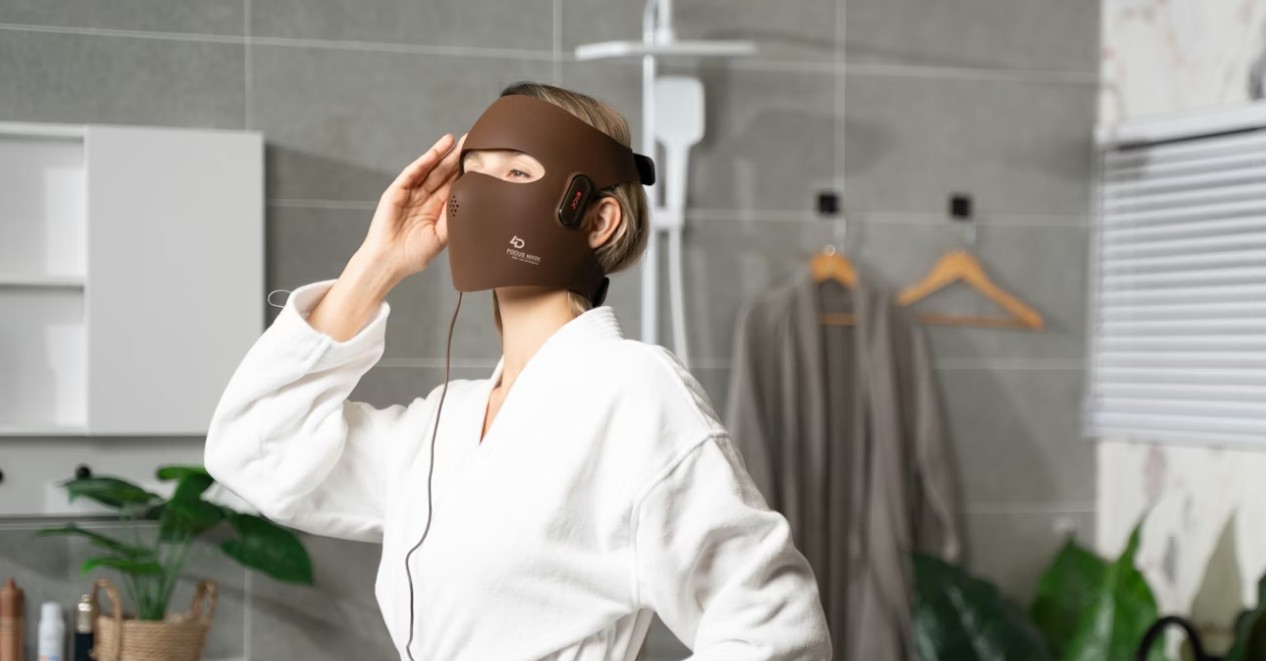
What is the beauty device market in China?
From professional to personal use
The beauty device market in China is the result of a combination of technologies that deliver various cosmetic and therapeutic benefits. They differ by device type, such as LED therapy, radiofrequency, microcurrents, and lasers. These devices are designed for both professional and at-home use. Targeted treatments range from anti-aging and skin rejuvenation to hair removal and oral hygiene enhancement.

The market for these devices is currently experiencing a significant surge in value and adoption. In 2025, the segment reached USD 0.85 billion. The market is expected to nearly double to USD 1.65 billion by 2030 with a compound annual growth rate (CAGR) of 14.23% over the forecast period.
The democratization of beauty tech
While these technologies were once the exclusive domain of professional settings (39.92% of the industry in 2024), they have successfully crossed over to consumers. The most dynamic shift is occurring within the personal use sector with a projected CAGR of 19.77% through 2030. This shift reflects a fundamental change in consumer behavior. Individuals increasingly prioritize the convenience and privacy of performing professional-grade routines in their own homes.
It is for all these reasons that the following analysis will focus specifically on the personal use beauty device market.
Key players in China’s home beauty device market and their flagship products
| Company name | Origin | Specialization | Flagship product |
| Ulike | China | Focused on home hair removal and anti-aging devices | Sapphire Air Series (Hair removal) |
| Amiro | China | Skincare devices & high-end LED mirrors | S2 / R3 Turbo (Facial device) |
| Ya-Man | Japan | Professional salon equipment, home beauty devices, and cosmetics | Photo Plus (Multifunctional RF device) |
| Nowmi | Israel / China | Targeted vitamin C oxygenation and skin rejuvenation | Nowmi Lab Pir (Skin Whitening/Vitamin C Device) |
| Jmoon | China | Large-surface anti-aging and rapid-treatment RF technology | Jmoon NouvelleSkin M30U (RF Anti-aging Device) |
Data source: Companies’ official websites, designed by Daxue Consulting, A variety of players in the beauty service industry in China in 2025
The expansion of this sector is driven by a competitive landscape of specialized innovators. The majority of which are now Chinese homegrown brands that have successfully miniaturized professional technologies for the home. These aforementioned companies represent the technologically diverse core of a market that is no longer a niche professional service.
Key drivers and challenges of the beauty device market in China
The rise of lazy economy and tech-savvy consumers
This trend is particularly pronounced among Gen Z women, who are digital natives primarily engaged through their smartphones and are increasingly seeking professional results with a single click. A primary catalyst of the beauty device market in China is the appetite among Chinese consumers for high-tech, customized recommendations. The development of the lazy economy, a consumer trend focused on products and services that save time and effort by simplifying daily tasks, also helps. As consumers increasingly favor the convenience, privacy, and long-term cost savings of at-home solutions over time-consuming salon visits, the addressable market continues to expand.
Chinese beauty consumers are embracing beauty technology at a higher frequency than the global average, with adoption rates consistently outperforming the rest of the world across all categories. This market evolution is most evident in the popularity of electronic facial toners, which have reached a 16.5% adoption rate in China (more than double the world average of approximately 7%). Even in specialized niches such as oxygen treatment and microdermabrasion, China maintains a significant lead, proving that these consumers are becoming increasingly knowledgeable and comfortable integrating professional-grade technology into their daily routines.
The rise of ritual-driven beauty devices in China
However, the appeal of these devices extends beyond clinical efficacy into the realm of psychological well-being. Modern Chinese consumers are not merely seeking scientific results. They are also looking for emotional grounding and a sense of ritual in their daily lives. By integrating advanced technology into their personal care, consumers are creating small rituals that offer calm and emotional comfort. Beauty routines have been transformed into moments of restoration and control.
Beyond the logistical benefits of home use, the digital landscape has also played an important role in deepening consumer education and desire. Content marketing on social media platforms (such as XiaoHongShu and Douyin) has demystified these technologies, making them accessible to a wider audience.
The impact of e-commerce and livestreaming on beauty tech sales
In addition to deepening consumer education and desire for beauty devices, the digital landscape has other advantages. E-commerce and live streaming represent the most effective and strategically aligned sales channels for beauty devices. This very connection has transformed digital platforms into the primary drivers of growth, where the interactive nature of live commerce perfectly complements the technical complexity and personalized appeal of modern beauty technology.

Digital platforms are now more than simple distribution channels. These platforms function as modern shopping arenas where sophisticated Chinese consumers actively seek out trends. They are also looking for detailed recommendations and immediate purchasing opportunities. They are comprehensive ecosystems that allow brands to penetrate a vast consumer base. This transformation is reflected in the industry’s performance.
Social commerce has become the primary engine of this growth. The beauty category on Douyin generated nearly RMB 20 billion in gross merchandise volume in July 2025 (a 31.7% surge compared to the previous year). The potential is high for beauty devices.
Live streaming has also emerged as a vital component of this strategy, offering a level of engagement that traditional advertising cannot match. The growth of this market is fueled by the direct-to-consumer model facilitated by these platforms. Through interactive product demonstrations and real-time Q&A sessions, brands can address consumer concerns instantly.
For any brand looking to establish a presence in this market, the strategy has moved beyond the basic combination of an online shop and display ads toward a fully integrated, omnichannel digital ecosystem.
The challenges of the beauty device market
The upfront cost of advanced beauty technology represents a barrier to entry within the Chinese market, particularly among price-sensitive consumer segments. Potential users often exhibit hesitation when faced with significant investments, especially in the absence of clinical evidence or visible results. While brands may be tempted to utilize discounting strategies to stimulate sales, such moves frequently backfire by undermining premium brand positioning and eroding profit margins. Consequently, managing the balance between price and perceived value remains a challenge.
Beyond economic hurdles, the industry needs to deal with an important shift in the regulatory landscape.
Reclassification and the rise of class III medical devices
In March 2022, the National Medical Products Administration introduced new guidelines. Manufacturers are required to undergo testing and conduct clinical trials. This registration process is time-consuming and capital-intensive (a single application can span three to four years, with clinical trials lasting up to two years and costing several million RMB). The framework also imposes strict oversight on the promotional ecosystem, particularly regarding live-streamed commerce. They are now required to undergo examination and must hold specific business licenses to market these devices. The most significant tightening of oversight occurred in 2024 with the issuance of the “Radiofrequency Beauty Device Registration Review Guidelines.” Under these rules, radiofrequency devices have been reclassified as Class III medical devices (the highest-risk category reserved for products requiring the strictest supervision). Consequently, the entry threshold for the beauty device industry has significantly increased.
Filtering the market: The end of low-quality promotions
This regulatory shift marks a definitive era of medicalization within the beauty industry. While the NMPA’s stringent requirements present a barrier to entry, they also serve as a catalyst for market consolidation. The investment of time and capital required for clinical trials will squeeze out smaller, non-compliant players who lack the resources to navigate this multi-year registration process.
By purging the promotional ecosystem of low-quality products and enforcing strict licensing for live-streamed commerce, the framework effectively filters the market. For those who can clear the hurdle, the increased entry threshold validates their technology. This will allow them to capture the market share left behind by exiting competitors and positioning medical-grade safety as a core competitive advantage.
These regulatory measures directly address the most significant restraints currently weighing on the market’s growth. Concerns over adverse events and patient safety are expected to have a -1.4% impact on the CAGR over the medium term. Even more critical is the proliferation of counterfeit and unregulated devices, which represents the largest threat to the industry with a projected -2.1% impact on growth.
Key trends and dynamics of the Chinese beauty device market
- The beauty device sector is transitioning from professional clinics to home use, with the personal beauty device segment projected to grow at a CAGR of 19.77%, reaching a market value of USD 1.65 billion by 2030.
- The market is now dominated by homegrown Chinese brands that cater to Gen Z’s demand for professional-grade results through convenient, time-saving and “at-home” solutions.
- Chinese consumers outperform the global average in tech adoption. For instance, the use of electronic facial toners is more than double the world average.
- Platforms like Douyin and XiaoHongShu are the primary growth engines. Livestreaming and social commerce demystify complex technologies and drive immediate sales.
- The industry is moving toward a highly regulated medicalized model. This shift requires all manufacturers to undergo rigorous clinical trials and strict registration processes.