
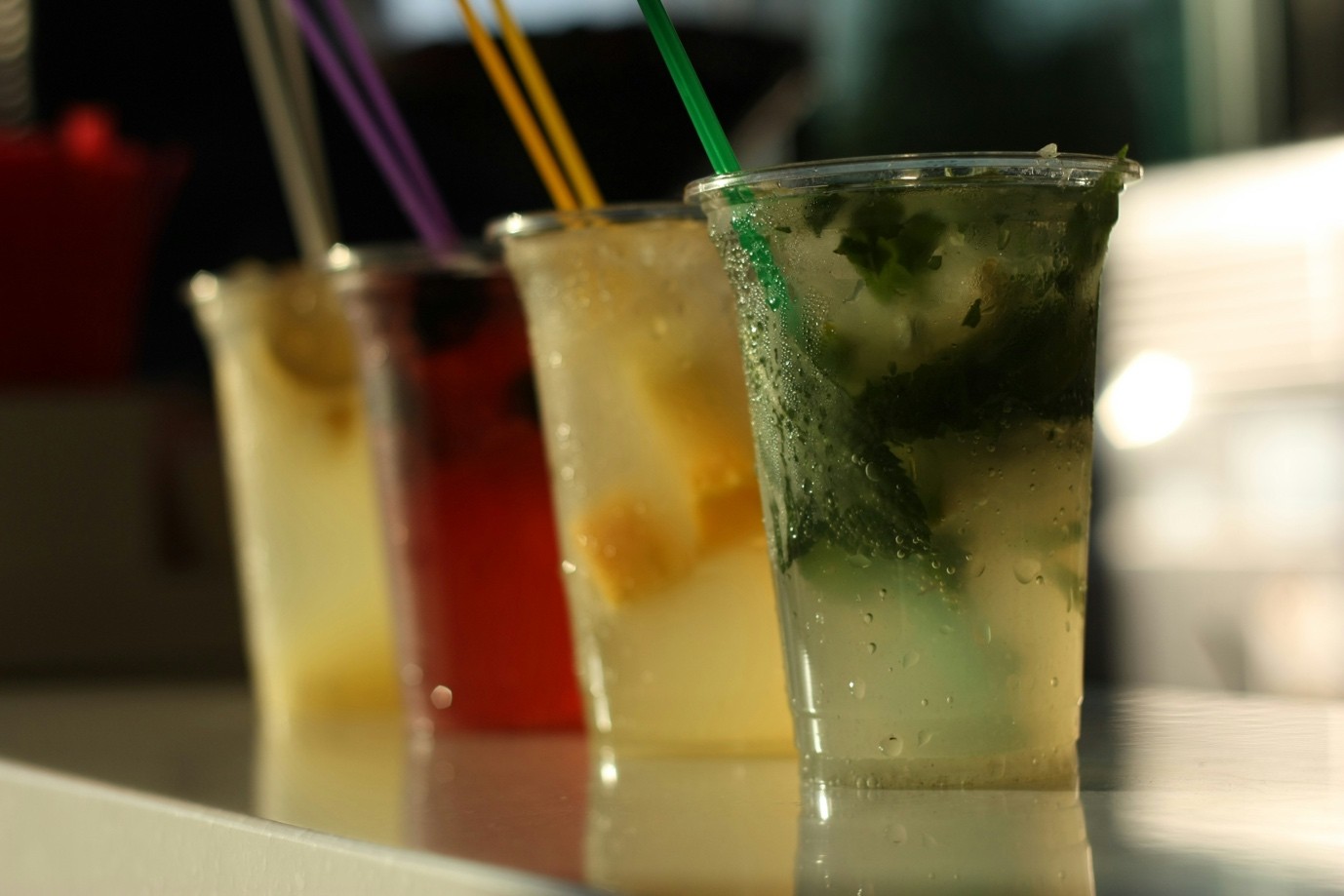
An ice cup is a sealed plastic cup of edible ice, usually around 160 grams, sold for RMB 2 to RMB 3 in convenience stores and on delivery apps. Buyers take it back to a desk or a sofa and pour in their own coffee, tea, juice or beer. Offline sales of ice cups in China rose 94.43% year on year in the second quarter of 2026 and reached about 17 times the level of the same quarter in 2024.
The same tracker put ice cream and popsicle sales down 13.1% in those three months, with new launches dropping from 790 to 408. The drop was due to higher health awareness and replacement such as ice cups and ready-to-drink (RTD) beverages. The plants that freeze the ice earn less on every cup than they did two years ago, and the biggest drinks and dairy groups in China are fighting for that shelf anyway.
| Q2 2024 | Q2 2025 | Q2 2026 | |
| Offline sales growth, year on year | n/a | +768.15% | +94.43% |
| Average price per 100 grams | RMB 2.04 | RMB 1.94 | RMB 1.84 |
| Top three brands by share | Ice Extreme, Hangao, Zhengzhou Lengyuan | Yili, Nongfu Spring, Dingxi | Yili, Nongfu Spring, Mengniu |
Download our China’s F&B industry white paper
Shoppers buy the cup to build their own drink
Ice cups in China work as the first step of a drink the buyer puts together. Order data shows the habit clearly. On Ele.me and Taobao Instant Commerce in June 2025, ice cup orders rose 267%, orders pairing an ice cup with alcohol rose 321%, and orders pairing one with a soft drink rose 261%. The pairings grew faster than ice cups on their own, so shoppers are planning the combination before they order. A NielsenIQ and Ele.me study a year earlier showed the same pattern, with ice cup deliveries up 350% in midsummer 2024 and juice pairings up 320%.
A hand-stirred iced drink at HEYTEA (喜茶) sells for RMB 28 to 33. A plain cup plus a bottle from the same fridge comes to a few RMB, and even a flavoured cup runs around RMB 8.9 before the buyer adds cola, beer or juice at home. China still counted 449,000 tea-drink stores at the end of 2025, 3.5% more than a year earlier, so the shops selling finished drinks kept expanding too. These are two separate markets. The ice cup gives Chinese consumers a cheaper way to get a cold drink at a desk.
The brands leading ice cups in China changed twice in three summers
In the second quarter of 2024, the three largest ice cup brands were ice specialists, Ice Extreme, Hangao and Zhengzhou Lengyuan (冰极限、韩高、郑州冷缘). A year later, the leaders were Yili (伊利), Nongfu Spring (农夫山泉) and Dingxi (顶喜). By the second quarter of 2026, they were Yili, Nongfu Spring and Mengniu (蒙牛). China counted about 42,900 ice-related companies in August 2026, and none of them leads the cup business.
A drinks company does not need the ice to make money. Nongfu Spring runs convenience store offers where one extra RMB on a bottle of tea or juice buys the cup, so the cup sells the bottle. Convenience stores play the same game. Lawson (罗森) lifted its ice cup sales by more than 30% from May to July in both 2025 and 2026, and it added sparkling and coloured versions for shoppers who pair them with coffee and other drinks. An ice plant has no bottle to attach, so it competes on price alone.
Prices have fallen for three straight summers
The average price of ice cups in China has fallen for three years running, from RMB 2.04 per 100 grams in the second quarter of 2024 to RMB 1.84 in 2026. Hema (盒马) cut its 160-gram cup from a launch price of RMB 4.9 to RMB 2.5, Dingdong Maicai (叮咚买菜) reported mainstream prices down 30% to 40% year on year, and in July 2026 one plant manager said profit per cup had fallen 20% to 30%. Sales nearly doubled while the average price dropped, so volume grew faster than the sales figure.
However, the growth cooled from 768.15% to 94.43%, and the base is many times larger now, so the category added more cups in 2026 than it did in 2025. Ice makers piled in behind that demand. China registered 11,900 new ice companies in 2025, 62.08% more than the year before, and factories now run all year instead of one summer shift. A drinks company can carry a cup that earns little, since the bottle beside it pays for the shelf.
Key takeaways on ice cups in China
- Orders pairing an ice cup with alcohol rose 321% in June 2025, and those pairing it with a soft drink rose 261%, both faster than ice cup orders on their own. The cup is the opening move of a drink, so it earns its place next to the bottles.
- The three leading brands were ice makers in 2024 and are Yili, Nongfu Spring, and Mengniu in 2026. Winning this shelf takes cold chain, distribution, and a drink to sell alongside, none of which an ice plant has.
- The average price per 100 grams fell three years in a row, and profit per cup dropped 20% to 30%, and new ice plants kept registering. Any brand entering should treat the ice cup as a traffic product and expect to earn the money somewhere else.
- A plain ice cup and a bottle come to a few RMB, and a flavoured cup runs around RMB 8.9, against RMB 28 to 33 for a hand-stirred drink at HEYTEA. Brands selling ready-to-drink products now compete with a version their own customers assemble at a desk.
Author: Ming Yii Lai, with additional research by Zekai Zhang