
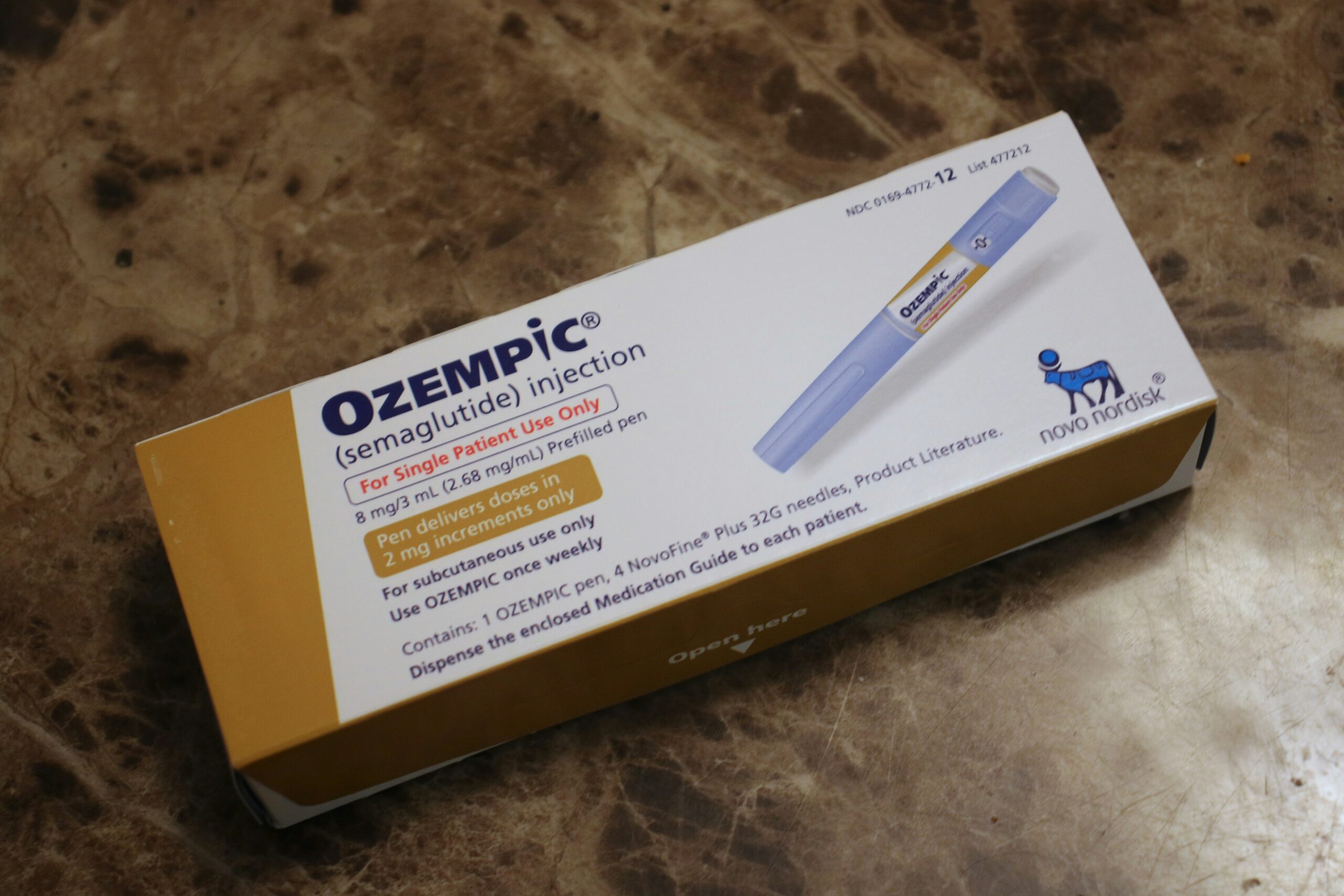
Introduced for type-2 diabetes in the diabetes treatment market in China, Ozempic is a brand name for semaglutide, a member of the GLP-1 drug class. GLP-1 drugs mimic a natural hormone that stimulates insulin production, reduces glucagon release, and helps regulate blood glucose levels. Side effects of these drugs, such as delayed gastric emptying and appetite suppression, turn out to be the desired effect for another type of users: those seeking weight loss. Now, shaped by new medicines, national weight-management policies, competition from domestic pharmaceutical companies, and mixed consumer discussions, Ozempic in China has entered a new phase with a broader market.
Download our China’s samples economy report
China’s regulatory breakthrough supports GLP-1s for weight management
In June 2024, China’s National Medical Products Administration (NMPA) marked a major regulatory milestone. Following the completion of a dedicated China pivotal trial, it approved the scope extension of Novo Nordisk’s Ozempic market authorization – branded as NovoCare in China –, adding the long-term weight management indication to its previous T2DM scope of use.
This decision marked the first time a GLP-1 drug received approval for weight control in China. Before this, GLP-1 drugs in the Chinese market were limited to diabetes treatment, despite their well-documented effects on weight reduction.
More importantly, market players have viewed the decision as a regulatory breakthrough that opens a window of opportunities rather than a singular event. Just a month later, tirzepatide, another GLP-1 drug with best-in-class potential developed by Novo Nordisk’s main competitor Eli Lilly and Co., was also approved for entry into China’s weight loss market.
By 2025, China’s weight-management market expanded to include five GLP-1 receptor agonists. This marks a rapid expansion of treatment options beyond the type 2 diabetes market. Among them, Ozempic is a leading brand in China in 2024, accounting for approximately 61% of the market.
Evolution of GLP-1 drugs for weight management in China
| Year | Drug | Implication |
| 2023 | Liraglutide | First GLP-1 injection in China specifically for obesity treatment |
| 2023 | Beinaglutide | A domestically developed GLP-1 option |
| 2024 | Semaglutide (Wegovy) | Expansion of diabetes treatment to an officially approved weight management strategy |
| 2024 | Tirzepatide (Mounjaro) | A GIP/GLP-1 dual agonist; increased competition in the market |
| 2025 | Mazdutide (Xinermei) | Further expanded China’s weight management treatment market as the first domestic produced drug |
The Chinese government tightens regulations on May 15th, 2026
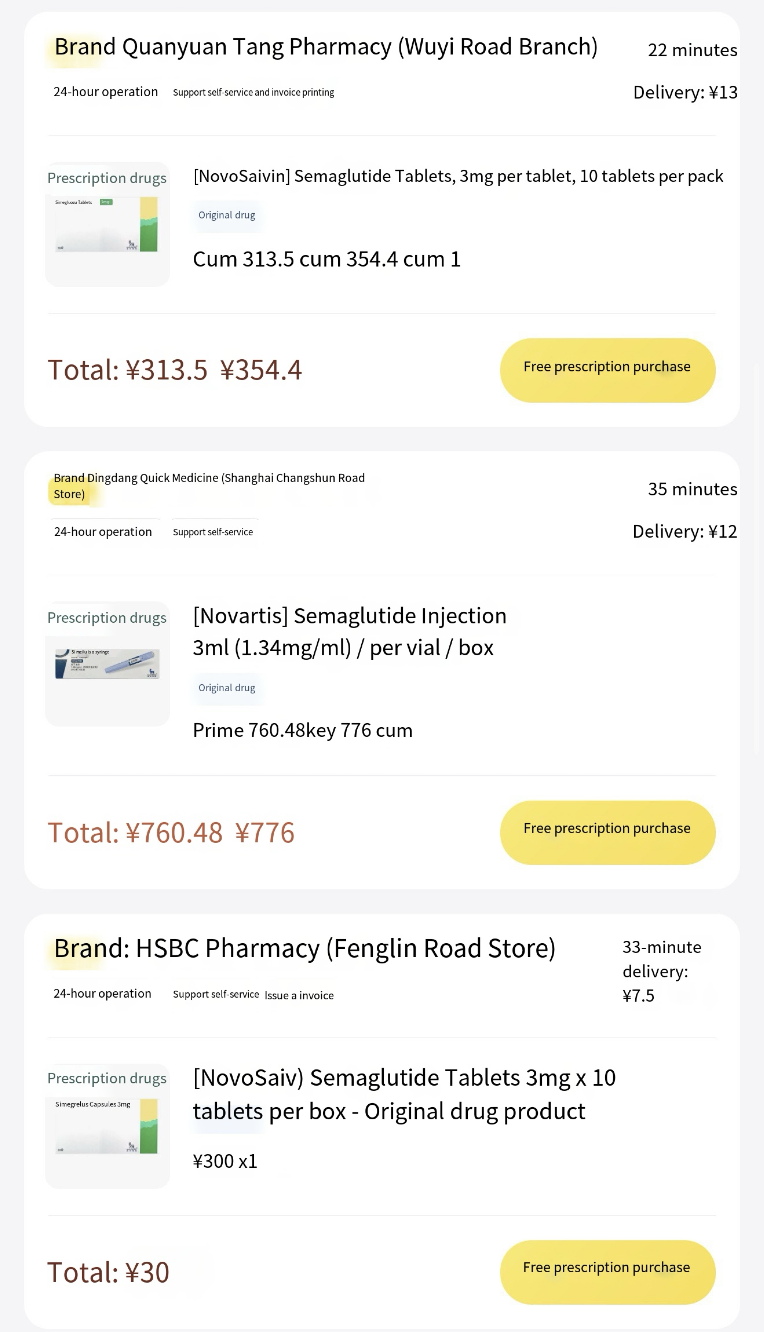
GLP-1 drugs have gained attention in China even among people without diabetes. In fact, even underweight consumers have shown interest in using them for weight management. Although it was relatively easy to access them, the government has tightened regulations to ensure that GLP-1 drugs are used under appropriate medical supervision, particularly since new regulations took effect on May 15th, 2026. For example, Shanghai retail pharmacies will require a paper hospital prescription to be able to purchase GLP-1 medications. Also, injectable GLP-1 drugs can’t be sold online for weight management. However, it is actually still possible to access GLP-1 medications through loopholes used by some online sellers. Some sellers have shifted their messaging from weight management to blood sugar control, more likely to avoid regulatory scrutiny.
China’s obesity issue is a national health priority
China’s growing obesity trend is currently a significant national issue. Research indicates that about 50% of adults and 20% of children and adolescents aged between 6 and 17 are living with overweight or obesity. About 70% of Chinese adults could be overweight or obese by 2030 without intervention, seriously placing a burden on national medical resources. In response to the current situation, 16 Chinese departments and organizations, such as the National Health Commission, launched a three-year “Weight Management Year” initiative in 2024, issuing China’s first national guidelines for diagnosis and treatment of obesity. This shift made weight control a formal healthcare priority. Furthermore, the government is increasingly promoting healthcare infrastructure. More than 5,500 secondary-level and above medical institutions had successfully established weight-management clinics. The government is also aiming for all public tertiary hospitals to provide these services by the end of 2026. The policy support extended to medical insurance, with tirzepatide (Mounjaro) added to China’s National Reimbursement Drug List for type 2 diabetes and semaglutide added to the National Essential Drug List. It signals the integration of GLP-1 therapies into mainstream healthcare, suggesting possible further development of more medicines.
There’s a growing target consumer base, and it is supported by a healthcare system with infrastructure and policies. All the factors are expected to drive a greater demand for GLP-1 therapies and create more opportunities for pharmaceutical companies. Experts estimate that China’s GLP-1 market could grow at 23% a year, faster than the 21% global average, to RMB 76.51 billion in 2033.
Foreign GLP-1 players experience pressure from local players
Novo Nordisk, Eli Lilly, and Pfizer remain the three major multinational players. At the same time, Chinese pharmaceutical companies are increasingly challenging their positions. Companies such as Innovent Biologics, Hengrui Pharmaceuticals, and Sciwind Biosciences have all built increasingly advanced weight-control pipelines. For example, launched in July 2025, Innovent’s mazdutide (Xinermei) was the third one-weekly GLP-1 injection available in China. By the end of 2025, it generated RMB 416 million in sales, compared with Wegovy’s RMB 260 million.
Pharmaceutical companies not only compete to secure a position in the Chinese Ozempic market but also seek innovative treatment formats. Eli Lilly and Novo Nordisk are promoting oral GLP-1 medicines in China. Eli Lilly’s GLP-1 pills could come as early as late 2026 and early 2027, while Novo Nordisk’s application for oral Wegovy has already been accepted by Chinese regulators. This suggests that competition is no longer limited to product itself, as both multinational and domestic companies target broader aspects, such as pricing, efficacy, and treatment convenience.
Chinese working professionals drive demand for GLP-1 drugs
According to data provided by JD.com, one of the largest e-commerce platforms in China, users aged 26 to 35 accounted for the largest share of their purchases in 2025. This was followed by those aged between 36 and 45. These two collectively account for nearly 80% of total sales. These two age groups largely overlap with China’s working population, especially office workers. As a result, they face the problem of a lack of sufficient time for the gym but a need to stay fit. That’s why Ozempic satisfies their needs. At the same time, searches for weight management drugs reach millions, suggesting a huge pool of potential consumers beyond those who are purchasing GLP-1 drugs now for disease and weight control.
Chinese consumers are growing more skeptical
On social media platforms like RedNote and Douyin, consumers have a nuanced view of Ozempic in China as a weight control approach. The heated discussions mainly revolve around effectiveness, safety, affordability, and whether the drugs are worth an attempt.
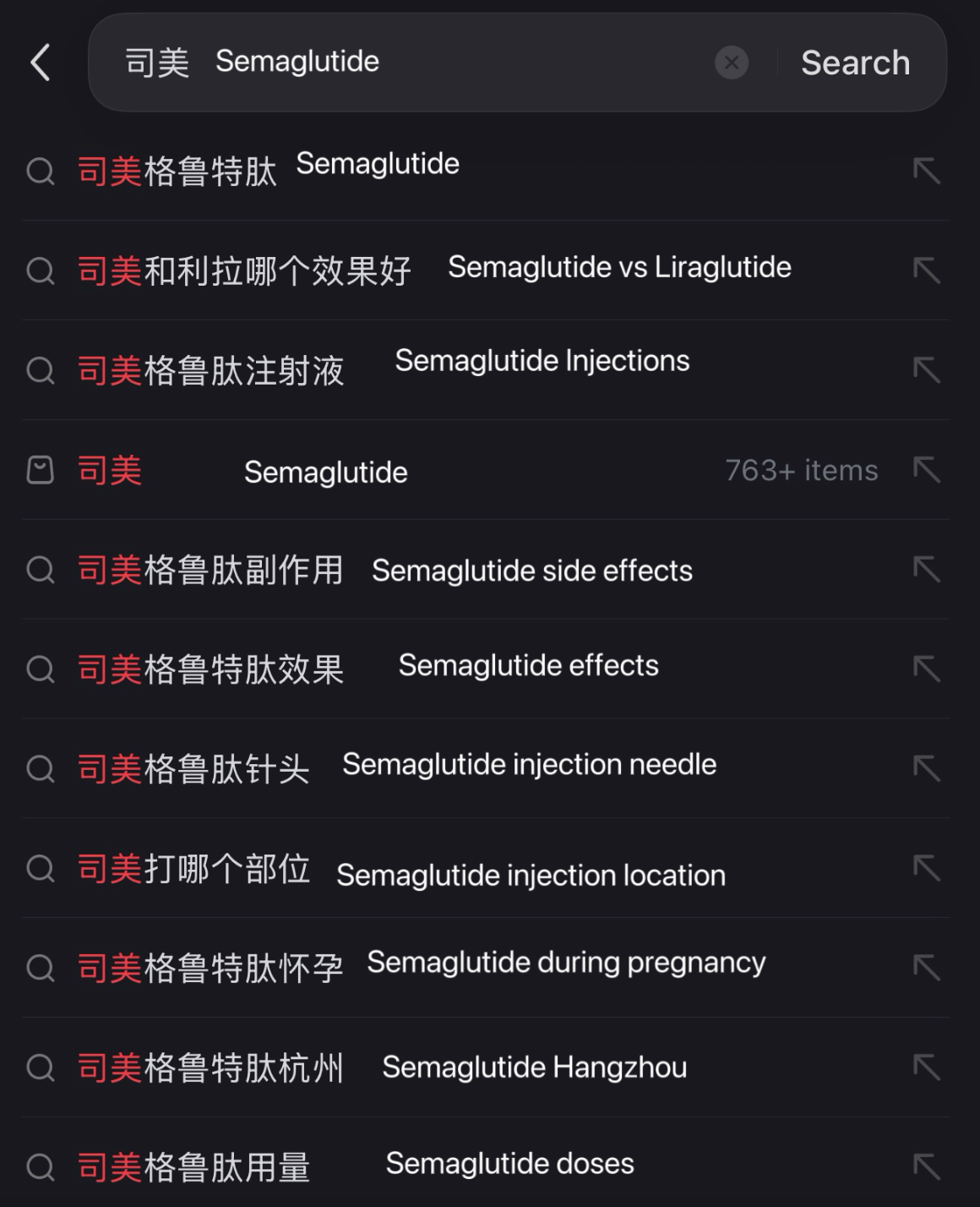
Now, searches for “semaglutide” are increasingly accompanied by posts discussing or questioning the potential side effects of Ozempic in China. Comment sections often feature debates over their safety and weight loss benefits. Rather than focusing solely on the “magic” effect of GLP-1s, consumers are becoming more cautious, weighing the potential results against concerns about side effects and the overall suitability of the treatment. As more medications enter the market, consumers are also exploring more options and deciding which medication fits their requirements best.
How GLP-1 drugs support weight loss management in China
- China’s GLP-1 market’s expansion is rapid with multiple domestic and multinational drugs now having approval for weight management.
- Weight management and obesity control have become a national healthcare priority. The Chinese government has initiated plans and policies to solve obesity issues and is even tightening regulations to ensure GLP-1s are used under appropriate medical supervision and not misused by non-obese consumers.
- Novo Nordisk, Eli Lilly, and Pfizer face growing competition from Chinese domestic pharmaceutical companies’ locally developed GLP-1 therapies.
- Consumer perceptions are becoming more nuanced for drugs like Ozempic. They attract attention for magical weight loss outcomes, but consumers are more concerned about side effects, long-term treatment, affordability, and many other factors before using the drug.
- China’s GLP-1 market is largely driven by rising demand for weight management, varied product availability, and increased competition between multinational and domestic pharmaceutical companies, showing great potential.
Author: Ming Yii, with additional research by Zoey, edited by Sory Park