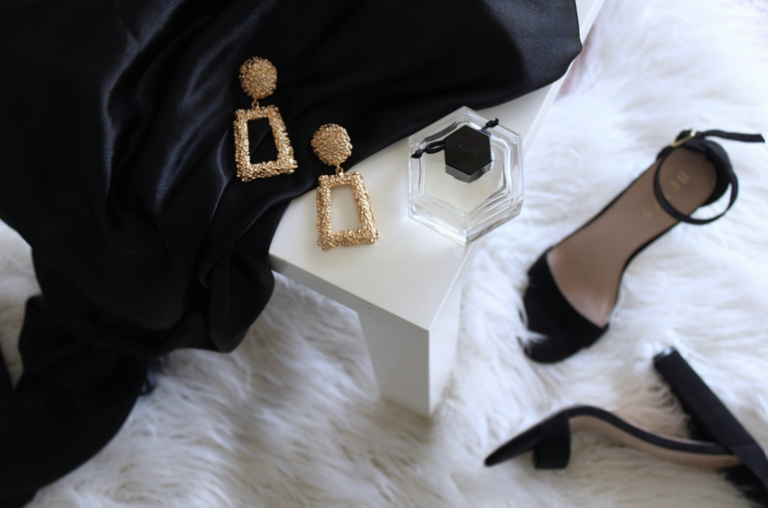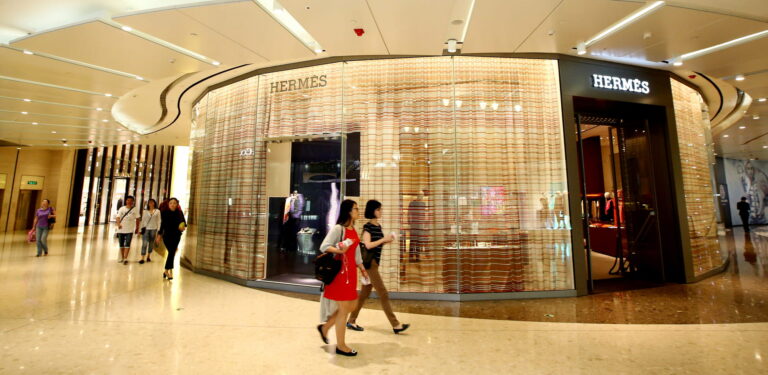


Quiet luxury in China emphasizes understated elegance, timeless designs, and high-quality materials. Originally gaining global popularity around 2023 with the HBO show Succession, the trend has gained visibility among Chinese consumers through social media aesthetics such as “old-money style,” “clean-fit style”, and “Maillard style”. Its growing visibility creates new opportunities for brands to connect with consumers by conveying their status and redefining luxury.
The rise of quiet luxury in China
Unlike traditional luxury, which is charactered by big logos and status symbol pieces, quiet luxury focuses on discreet refinement through higher-quality material and minimalistic colors and style. Brands like The Row, Bottega Veneta, and Loewe ranked high on the Lyst Index of hottest brands in Q3 of 2024.
A shift towards quality and understated luxury
Quiet luxury in China reflects a broader shift in how Chinese consumers approach luxury, considering both design, quality, and personal connections. In China, the pandemic-induced economic slowdown is at the origin of the quiet luxury trend. For them, buying luxury products is not about flaunting their wealth but about personal satisfaction and appreciation for craftsmanship. As the pandemic gradually recedes and economic certainty persists, the appeal of quiet luxury extends beyond the monetary value of luxury goods.
Moreover, high-net-worth individuals show a decline of 12% in planned spending on luxury goods and an increase of 14% in emphasizing comfort and personal feelings. It shows that even affluent Chinese consumers are reassessing how they allocate their spending, seeking purchases that reflect life quality while remaining mindful of their budgets. More Chinese consumers are also drawn to the personal aesthetic and lifestyle these products and brands represent. Quiet luxury in China hence serves as a way to express individual taste and lifestyle preferences.
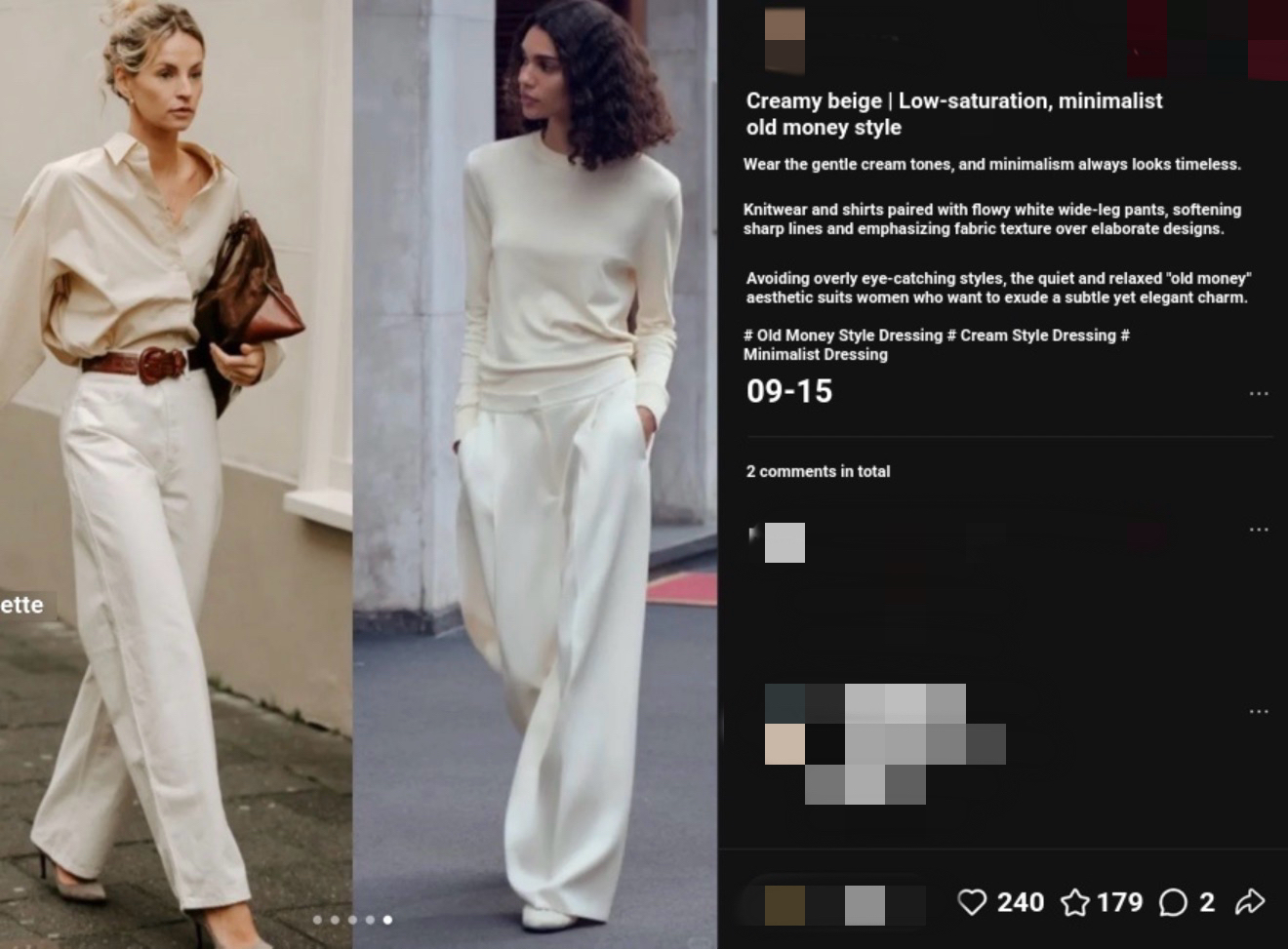
Social media also played an important role in making this aesthetic more visible to the general public. In China, old-money style is the most attractive label of quiet luxury. It includes neutral colors, classic silhouettes, and no outstanding brand labels, creating a sense of control and relaxation. This dressing style gains huge aesthetic resonance on RedNote. In Daxue’s 2026 report on China’s luxury market, there was a 362% year-on-year increase in searches for the keyword “old-money style” on RedNote. On the platform, old-money style enthusiasts buy from brands like Loro Piana, Ralph Lauren, and The Row. Though it doesn’t demonstrate direct purchasing behavior, the drastic increase in searches shows how this trend interests people in quiet luxury styling.
Old-money style: High-quality and symbol of wealth on social media
The Old-money style, part of quiet luxury, focuses on high-quality and classic pieces rather than flashy logos. It exudes timeless elegance and sophistication, hinting at the wearer’s refined taste. This look signals status and heritage, appreciated by those familiar with this style.
The color palettes favored in the Old-money style are predominantly neutral, ranging from whites to soft beiges, greys, navy blues, and blacks.

Old-money-inspired posts frequently feature Western public personalities like Kelly Rutherford, known for her role in Gossip Girl, Princess Diana, and the Princess of Wales. In addition to elegant and well-tailored clothing, the old-money look incorporates clean and simple makeup. Jewelry pieces are typically made of diamonds, gold, or pearls. Finally, the hairstyle complements the overall aesthetic for a classic and polished appearance.
Clean-fit: Promoting simplicity in fashion on social media
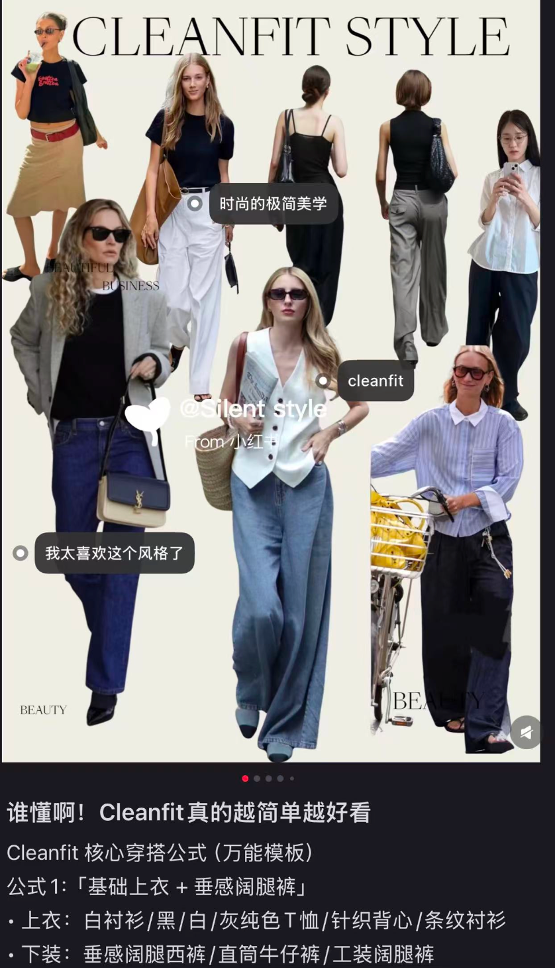
Clean-fit, another facet of the quiet luxury aesthetic, prioritizes minimalist design and simplicity. It favors uncluttered clothing styles, clean silhouettes, and a color palette spanning from white to light grey, dark grey, and black. Much like the Old-money style, the clean-fit style is characterized by precision and quality craftsmanship.

On RedNote, #cleanfit boasts 2.4 billion views by October 2026. The brands best known for the clean-fit style enthusiasts are Jil Sander, Theory, and Lemair, appreciated for their minimalist aesthetic and clean silhouettes. Gen Z is seen as the main follower of this trend, gravitating towards clean lines, high-quality fabrics, and simple designs.
Brown-hued chic: the Maillard style
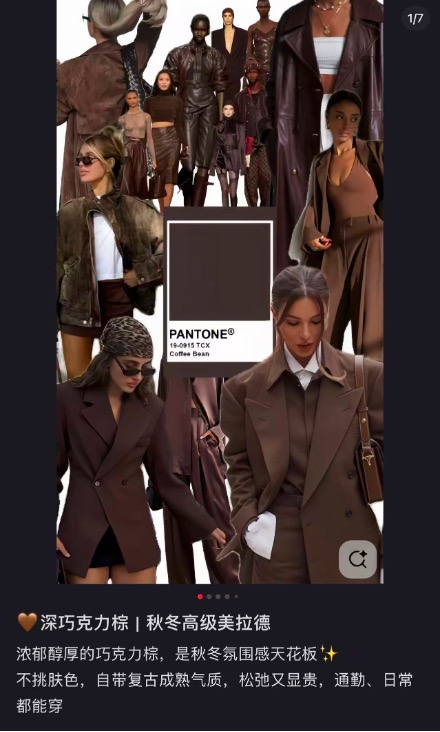
Maillard-inspired outfits revolve around layering different shades of brown, including tan, reddish brown, and warm yellow-browns, and pairing them with khaki or off-white hues.

The Maillard style initially gained popularity on Douyin, quickly gaining traction with over 6 billion views. Embraced by celebrities like Zhang Xiaofei and Yang Mi, the maillard style transcends clothing to encompass makeup as well. On RedNote, the hashtag #美拉德 (Maillard style) has amassed over 1.8 billion views as of October 2026, underscoring the significant popularity of this style.
The growing prominence of domestic interpretation of quiet luxury in China
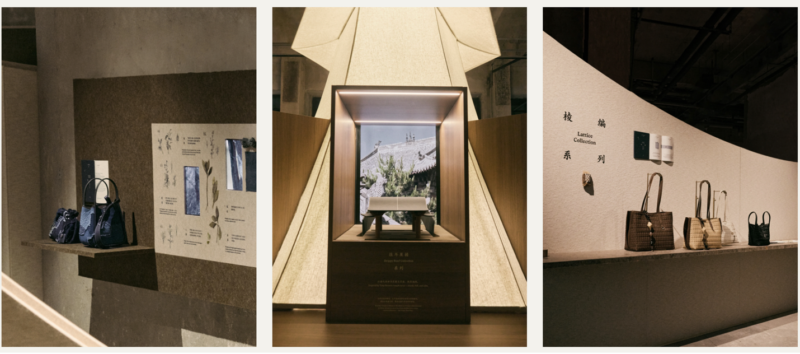
Starting from an introduced concept, Chinese domestic brands are gaining more attention for establishing their own understandings of quiet luxury, integrating design, style, Chinese cultural aesthetics, and storytelling. For example, the local handbag brand Songmont hosted its “Innerscape·Innerwild” brand exhibition in Shanghai in 2026. This exhibition focused on inspiration from Shanxi’s culture. It featured six theme areas and eight art installations incorporating Chinese nature and architecture features.
The handbags were immersed in the exhibition to communicate its design philosophy. Designers used this method to connect the products into a broader lifestyle that is inseparable from Chinese traditional culture in a low-key way. This illustrates how Chinese domestic brands are differentiating themselves from the traditional luxury image by cultural identity and unique experiences. It is an alternative approach to the European heritage concept of quiet luxury.
Navigating the opportunities and limitations of quiet luxury in China
Quiet luxury has already transformed from a popular fashion style to a more established aesthetic in China. Foreign luxury brands face the challenge of distinguishing themselves by international reputation in an increasingly competitive market and attracting Chinese consumers. Vogue Business’s August 2026 Analysis pointed out that Chinese consumers have an increasingly higher expectations for international brands to display distinctive features beyond their established fame such as authentic background story and meaningful engagement with the local communities. In another survey, 87% of the interviewed consumers preferred timelessness over trendiness, emphasizing the importance of long-lasting product value. For international brands, maintaining both their heritage and style while adapting to genuine communications and customer experiences are crucial for maintaining their competitiveness.
Quiet luxury in China: Redefining elegance and shaping the future of luxury
- Inspired by Western fashion and now thriving in China, the quiet luxury movement prioritizes timeless elegance over fleeting trends, reshaping luxury consumption.
- Unlike traditional luxury with bold logos, quiet luxury emphasizes refinement through quality materials and minimalist designs.
- Characterized by high-quality, classic pieces and neutral color palettes, the old-money style signals refined taste and heritage.
- Clean-fit style, characterized by minimalist designs, garnered 1 million posts on Xiaohongshu.
- The Maillard style, embraced by celebrities like Zhang Xiaofei and Yang Mi, centers around layering different shades of brown. This style is exemplified by brands like MaxMara and Brunello Cucinelli.
- As quiet luxury becomes an established aesthetic in China, growing competition from domestic labels imposes strong pressure on international brands. They must balance their unique heritage and alter strategies for meaningful consumer engagement.
- Luxury brands are having a greater emphasis on craftsmanship, timeless appeal while establishing and creating their identity beyond prominent logos.
Author: Matthieu David, edited by Ming Yii Lai, assisted by Zoey Ye