
Affordable luxury in China is not about compromise, but about credibility. Consumers seek status, quality, and brand recognition, and clear justification for higher prices. As Chinese luxury buyers grow more discerning, they prefer products that blend credible design, practicality, social value, and reasonable pricing.
The ‘old-money’ fashion trend (#老钱风) has gained significant popularity in China. It accumulates nearly 2.8 billion views and 8.5 million posts on Xiaohongshu. While high-end brands like Loro Piana, Brunello Cucinelli, and Brioni are linked to this trend, their prices are usually out of reach for most consumers. That’s where affordable luxury brands come in. Although not complete replacements, they offer the practicality, quality, and style that allow everyday shoppers to engage with the trend without a hefty price tag. Practical spending habits and the desire for an ‘old money’ look fuel affordable luxury in China.
Luxury inflation to value-led spending
Chinese consumers have become more cautious about their luxury purchases. However, affordable luxury, a segment that offers premium fashion and traditional brand recognition at lower prices, allows them to access the market. Economic uncertainty continues to drive the decline in consumer spending. Yet, China remains one of the largest luxury markets, accounting for 25% of global sales. In mainland China, the luxury market share decreased from 18% to 20% in 2024. Then recovered slowly in 2025, with a decline of 3% to 5%. Despite the decline, Chinese consumers still show significant interest in affordable luxury. Their purchasing decisions increasingly influenced by factors such as price, style, practicality, social values, and available alternatives.
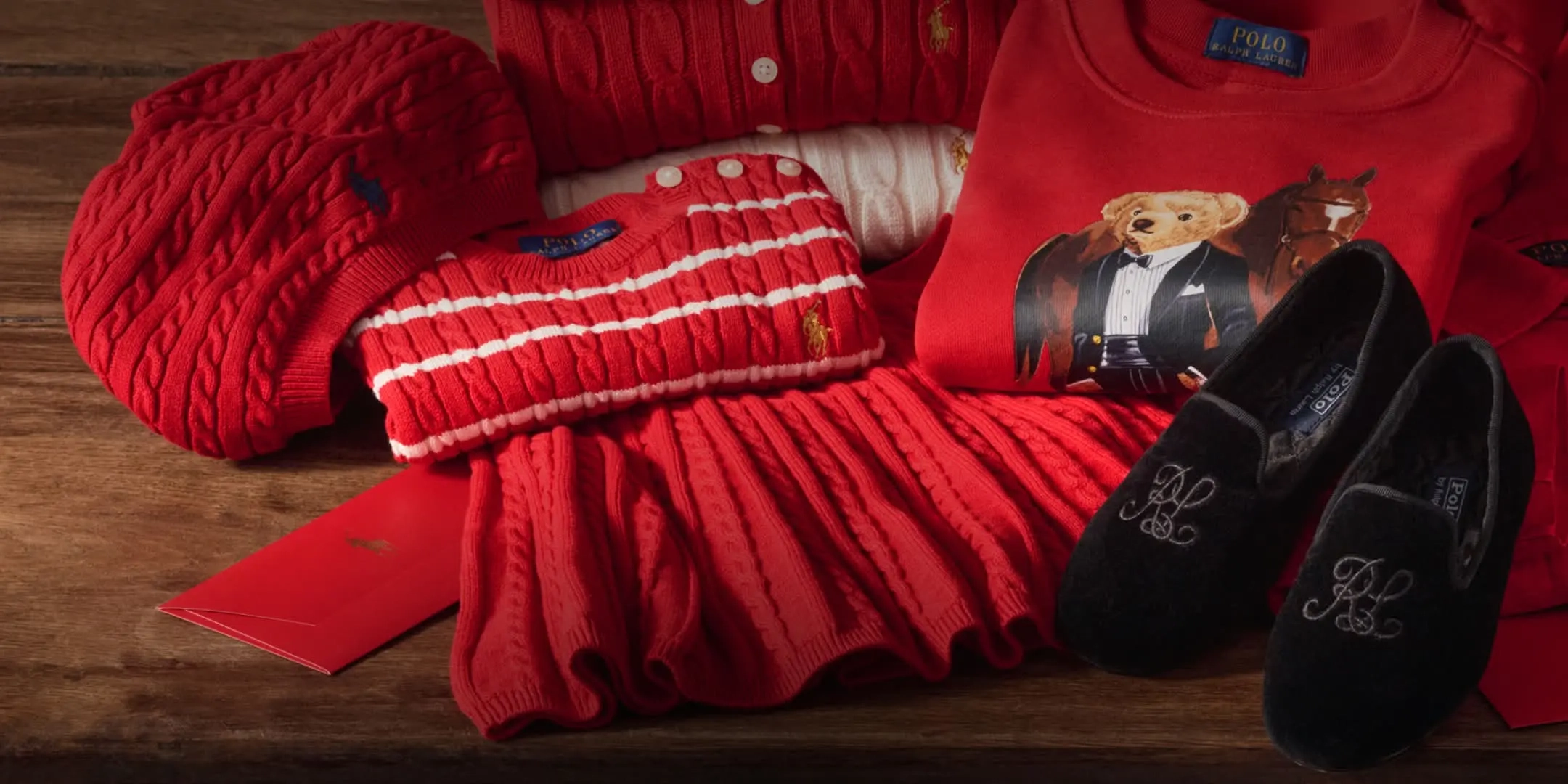
While price-sensitive consumers tend to avoid high-end luxury items, they still desire a sense of luxury, making affordable luxury options their entry point. Brands like Ralph Lauren and Coach offer more accessible luxury alternatives, but their success relies heavily on strategic marketing. Ralph Lauren experienced a 50% sales boost in Q2 2026. It was fueled by Lunar New Year promotions, localized designs, and attracting new customers. Similarly, Coach saw comparable growth, gaining nearly three million new customers in Q3 2025. It was done by aiming to rebuild desirability among Gen Z consumers entering the luxury sector through products like the Tabby Pillow, Empire Carryall, and Brooklyn bags. This approach helped Coach achieve an 18% increase in earnings by Q4 in China, driven by its innovative, youth-focused, and accessible product offerings.
Affordable luxury works differently in China
Not everyone in China is buying the latest top-tier luxury bag. In 2025, the Chinese secondhand luxury market grew from 15% to 20%. Consumers aren’t buying the newest bags but rather opting to be more practical with their budgets. Rather than buying a 15,000 RMB bag from a high-end luxury brand, consumers can purchase the same design on the second-hand market. Or, if they want a brand-new one, buy one from an affordable luxury brand.
Affordable luxury in China is not just an is not just an entry point for aspiring luxury consumers. Although these brands target aspiring luxury consumers, they maintain high standards of quality and style comparable to high-end brands, offering credibility without the premium price. They focus on preserving style and material quality while considering social signals related to status, functionality, design, current trends, and market entry strategies.
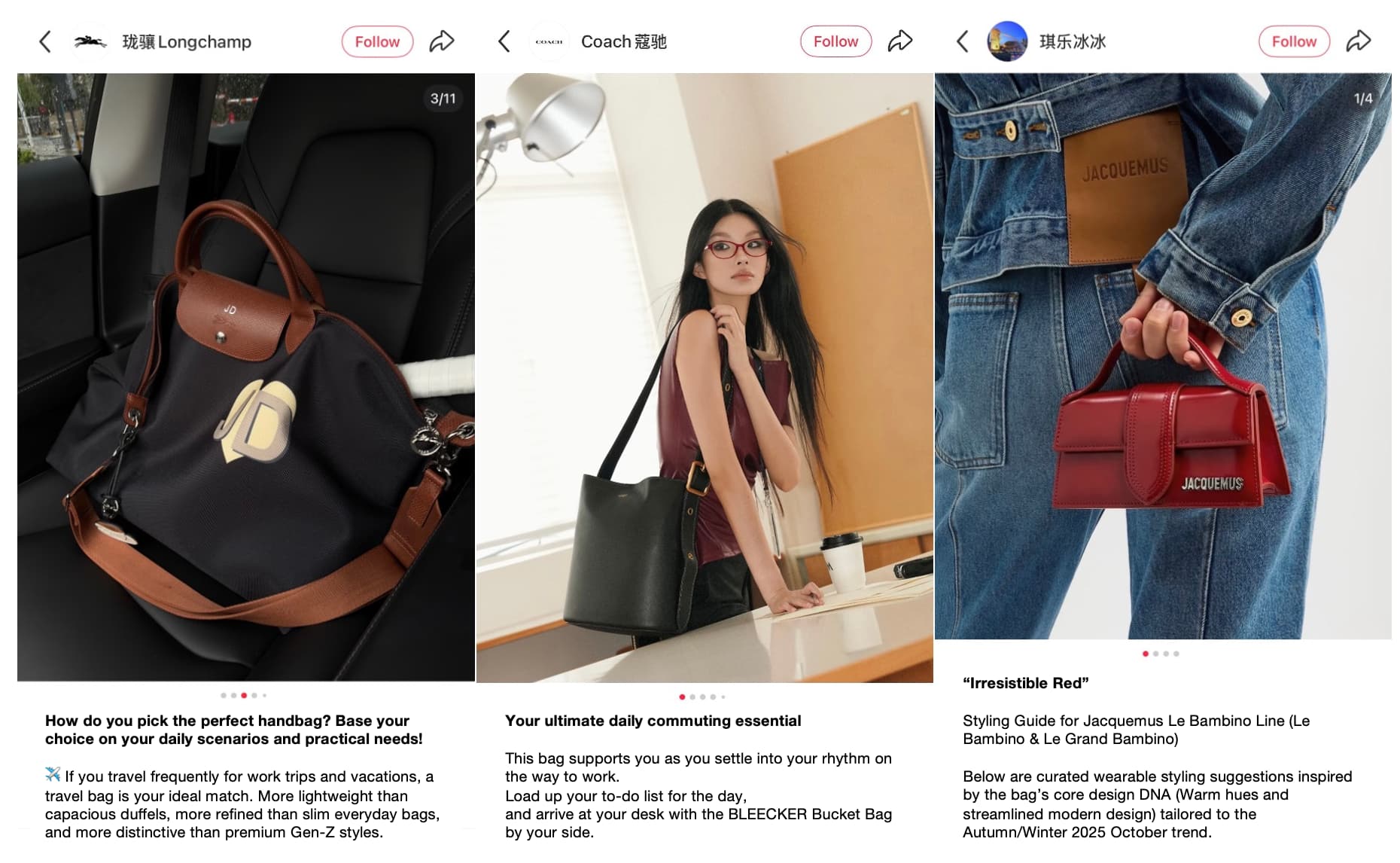
Brands linked to affordable luxury in China encompass various types, each targeting distinct consumer needs. Heritage brands like Coach and Michael Kors provide recognizable luxury status at reachable prices. Coach has regained relevance by emphasizing heritage, appealing to Gen Z, and offering accessible handbags, while Michael Kors continues to present accessible glamour. Practical brands such as Longchamp, Tory Burch, and Songmont attract consumers seeking everyday utility, durability, and lifestyle fit. Longchamp is favored for travel convenience, Tory Burch for its polished professional look, and Songmont for combining premium accessories with Chinese cultural themes. Fashion-forward brands like Marc Jacobs and Jacquemus cater to trend-conscious shoppers, leveraging logo branding, social media presence, visual spectacle, and fashion buzz to create desirability at a lower price point than traditional high luxury.
Credibility becomes a constituent in luxury purchase decisions
Consumers want products that provide premium social status and defensive decisions. Although a high-end luxury product may signify taste, on what occasion can it be used? When it comes to credibility, practicality is crucial. Luxury and status can be used through commuting, travel, office wear, and social occasions. In addition, while luxury products offer that uniqueness, if the price is inflated, the design is bland, or even overexposed, its attractiveness diminishes.
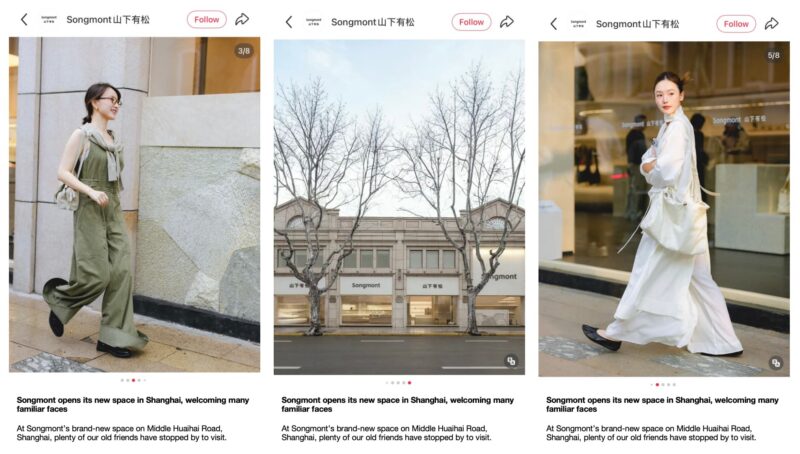
Another key difference between top-tier luxury and accessible luxury is their market positioning. This impacts marketing strategies and competitive dynamics within the luxury sector. Top-tier luxury is well-established, whereas affordable luxury relies heavily on social marketing channels such as Xiaohongshu (小红书), Douyin (抖音), WeChat, Tmall, livestreaming, and KOLs.
Competitive pricing makes these platforms especially effective. Consumers compare products from SKU pages, styling posts, and credibility to decide if the purchase is worthwhile. Particularly aspiring luxury buyers entering the market with limited budgets. Shopping events like 618, Double 11, and outlet stores are increasingly popular for buying affordable luxury. However, while these platforms may generate higher purchase volumes. Brands must recognize that they often sacrifice pricing power and brand credibility as they compete with other brands offering similar value.
Driving force of affordable luxury in China
While luxury stays strong among China’s HNWIs, aspiring luxury consumers are becoming more selective, favoring smarter over more expensive purchases. They seek brands that demonstrate credibility, fueling the rise of quiet luxury. Instead of logos, they now prioritize design, material quality, versatility, and styling credibility. Drawing on brands like Coach and Ralph Lauren that offer products that look polished, practical, and socially acceptable. Although affordable luxury often matches high-end secondhand prices, Chinese consumers may compare new items from Coach, Longchamp, or Songmont with pre-owned luxury goods. At least, affordable luxury brands offer a personalized experience comparable to top-tier luxury stores at a more accessible price, with a brand new luxury product.
What affordable luxury brands must understand about China
- While affordable luxury sits within the broader global luxury market, aspiring luxury consumers perceive it as value-led, offering practicality, quality, and style at a more accessible price.
- Chinese consumers continue to be interested in luxury. But they now compare products more thoroughly, considering price, function, styling, brand image, and secondhand options before making a purchase.
- Aspiring luxury consumers include various groups like Gen Z, young professionals, practical commuters, quiet-luxury followers, and secondhand buyers. Each with distinct behaviors. Some seek their first recognizable luxury item, while others prefer practical everyday products that still maintain social credibility.
- Due to competition among affordable luxury brands, success in China depends on high platform visibility, requiring brands to utilize Xiaohongshu, Douyin, Tmall, Chinese KOLs, and KOCs to effectively highlight their value-led products.
- Strong, affordable luxury brands should focus on providing a luxury experience through value-driven appeal at accessible prices, complemented by smart and stylish designs, rather than relying on logos or discounts.
Author: Allison Malmsten, edited by Ming Yii Lai, with additional research by Kyle Gumangan