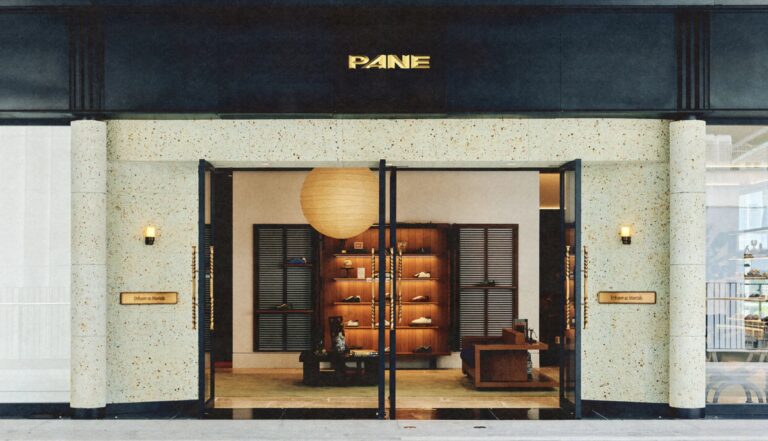

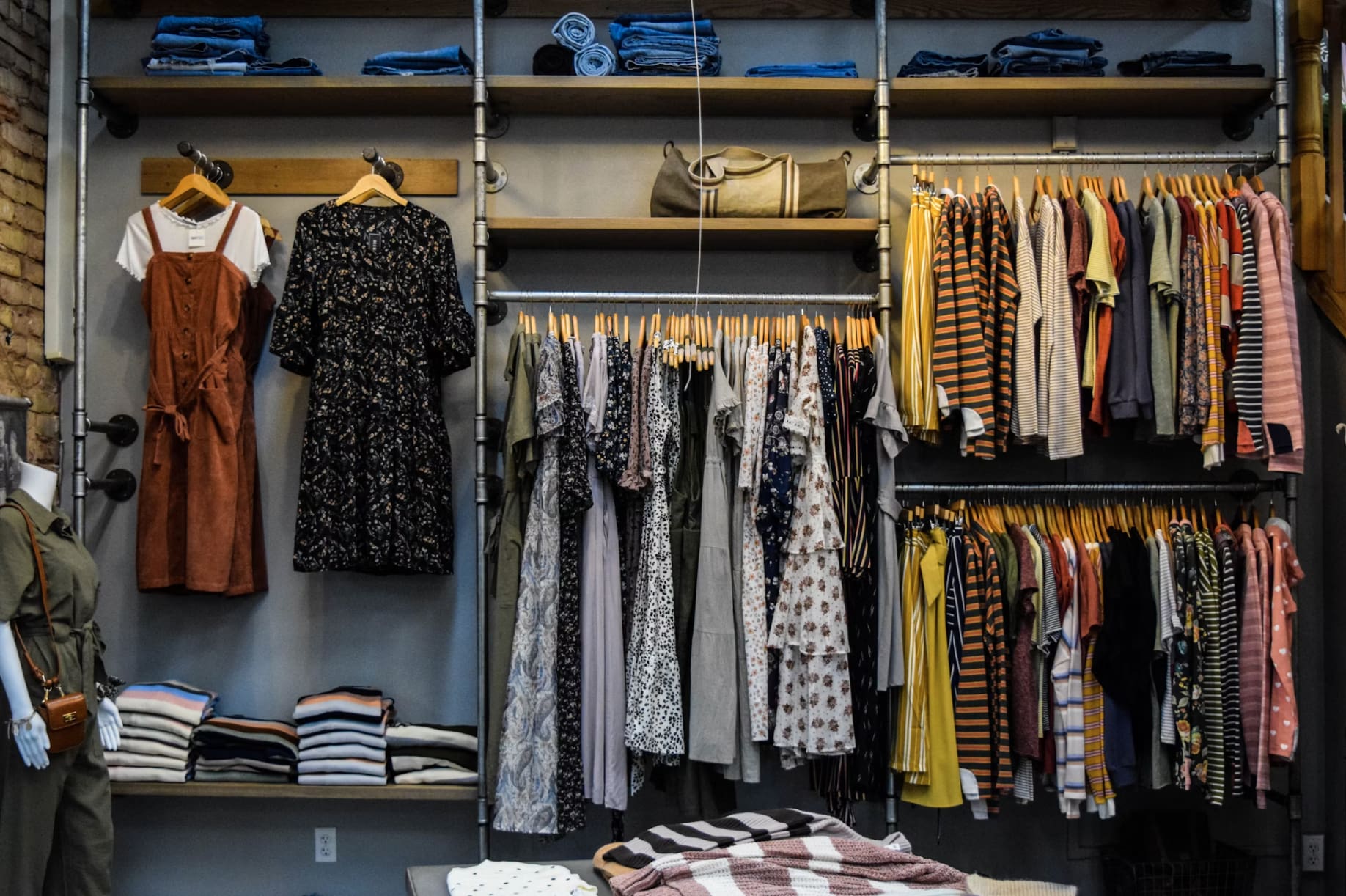
In March 2026, a three-year-old Chinese apparel label called W.MANAGEMENT took over H&M’s former flagship space in Hong Kong’s Causeway Bay, roughly 30,000 square feet, at a fraction of the rent H&M once paid. The handover points to a bigger shift: affordable fashion in China is winning over the Gen Z customers, and the prime retail space, that Western fast fashion used to own.
Chinese business media group these labels into a loose category called affordable teenage fashion, defined less by price than by approach. These brands pair fast-fashion speed and low prices with photo-ready stores and social-media virality, pricing most pieces around RMB 100 to 300. They work more like a lifestyle destination than a clothing shop, which sets them apart from the efficiency-and-scale model of H&M and Zara and from online giants like Shein and Temu.
Affordable fashion’s growth in China
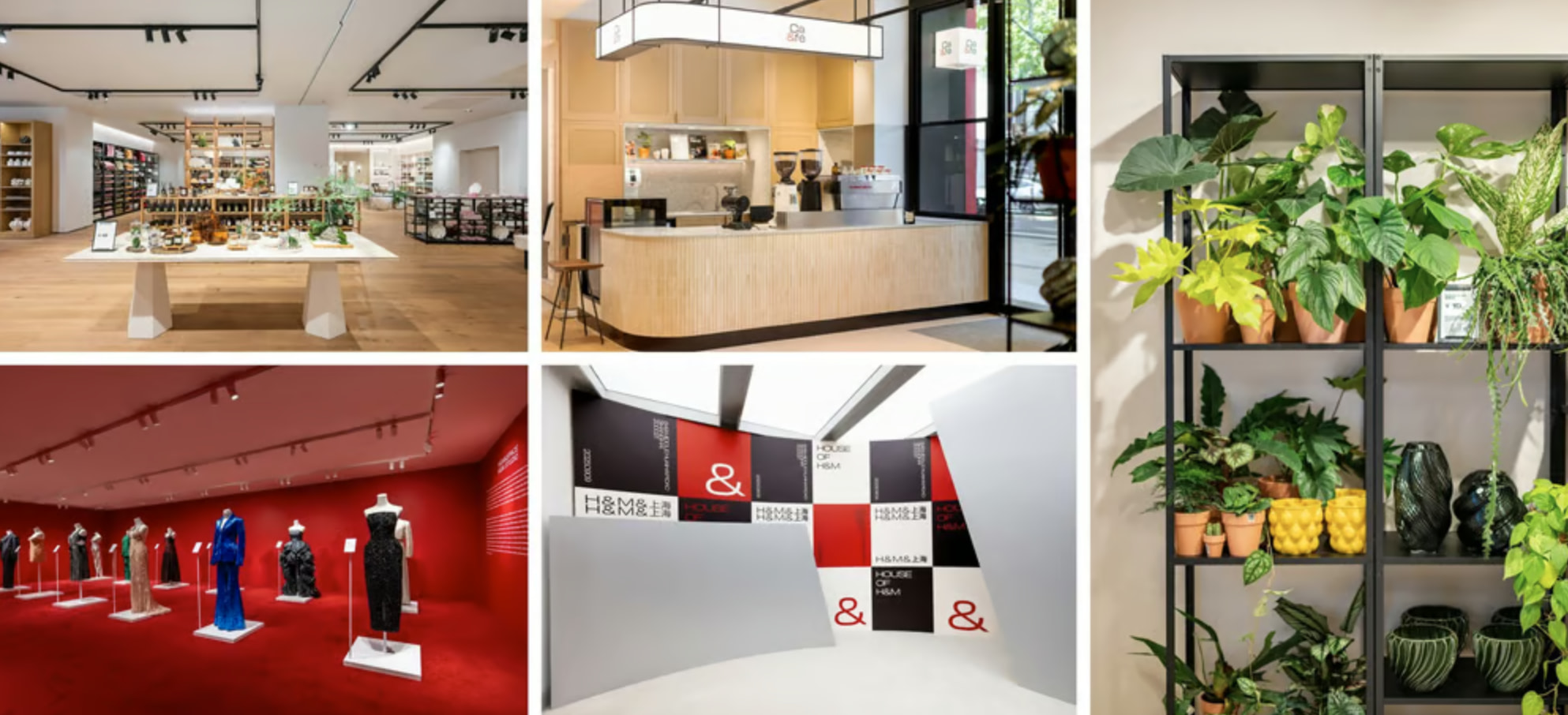
The clearest sign of this growth is how the market is reshuffling, with Western incumbents adapting and homegrown brands surging. H&M closed more than 75 stores in China between 2019 and 2021 and shut its Shanghai flagship in 2022. Moreover, Zara’s recent closures came as shoppers shifted toward value and quality. But the Western giants are not giving up. In September 2025, H&M reopened its first-ever China store on Shanghai’s Huaihai Road as a 3,000-square-meter experiential concept with a cafe and a flower shop. The comeback borrows the same playbook, experience over racks of clothes, that the homegrown brands used to break through.
At the same time, affordable fashion in China is scaling fast. BASEMENT FG, founded in 2022 and selling American streetwear and vintage-inspired looks, has spread from Beijing into Chengdu, Wuhan, Shanghai, and Chongqing. Its Chongqing flagship alone reportedly draws more than 20,000 visitors a day and over RMB 100 million a year, part of a first-store economy that added 7,000 new first stores across 74 cities in 2024, up about 36% from the year before. In addition, W.MANAGEMENT and ONEMOMENT, both founded in 2023, also already pull heavy foot traffic of their own.
Why now: the emotional economy
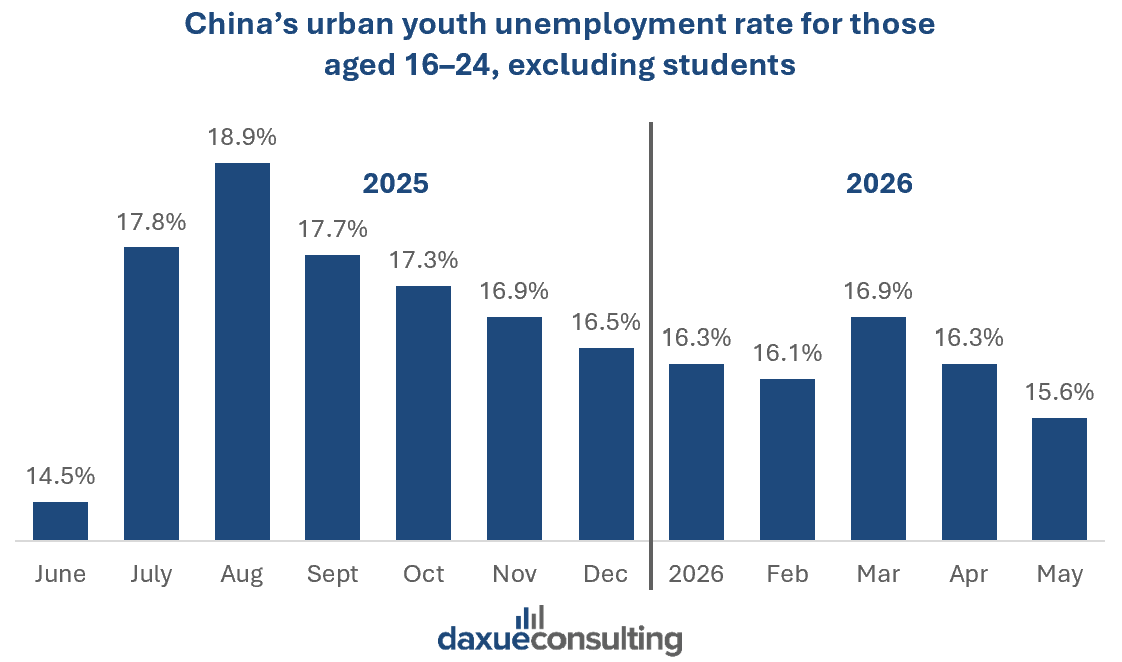
Several forces explain the timing, starting with the job market. Urban youth unemployment for 16 to 24 year-olds, excluding students, ran around 16% to 17% through 2025 and into 2026. Even down from its 21.3% peak, that level keeps young people financially cautious and pushes them toward cheap purchases that still feel good.
Those small purchases make sense from a demand angle. A 2025 survey of 2,338 young consumers found that roughly 90% value how a product makes them feel, and about 60% will pay extra for it, up about 16 percentage points in a year. Affordable fashion sells exactly that: trendy looks and a good mood at a price a squeezed twenty-something can justify, which makes it one slice of a fast-growing emotional economy estimated to climb from RMB 2.3 trillion in 2024 to 4.5 trillion by 2029.
Supply matters just as much. China’s commercial real estate has entered a stock-competition phase, with core-street rents down about 0.81% YoY in the second half of 2025. Landlords now pick tenants by foot traffic rather than brand prestige, which is precisely how unknown three-year-old labels out-compete H&M for flagship space. Overall, demand pulls spending toward cheap and emotional, and the property market hands these brands the locations to capture it.
The store as content studio
The economics set the stage; the stores themselves do the converting. Affordable fashion in China is built to be photographed, posted, and shared, which turns customers into free advertising. RedNote is closing in on 350 million monthly active users, with 18- to 24-year-olds making up about 43.8% of them, and many make purchasing decisions based on content on the platform.
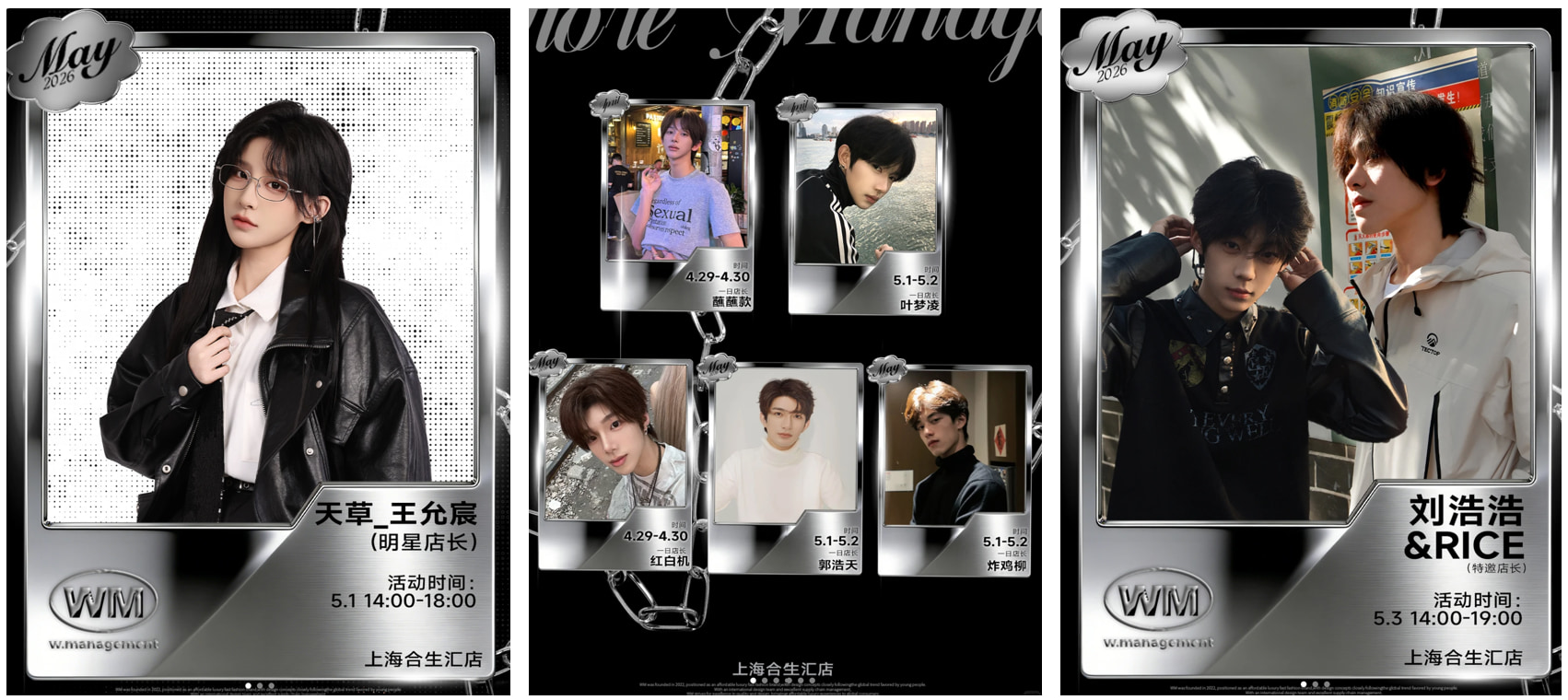
This also explains a quiet reversal. Women’s wear has been moving back offline as e-commerce struggles with high return rates and rising traffic costs, making physical retail the growth arena. Customer acquisition runs on idol-industry tactics, with one-day store managers chosen by fan vote, behind-the-scenes videos, and photo perks once shoppers spend enough. The speed is real too: W.MANAGEMENT says its stores launch more than 100 new products a week and fully refresh every 50 days, while some BASEMENT FG stores reportedly add new items daily and adjust displays weekly. Affordable fashion in China is incorporating Shein’s pace into a physical mall.
Store experience as an operating system
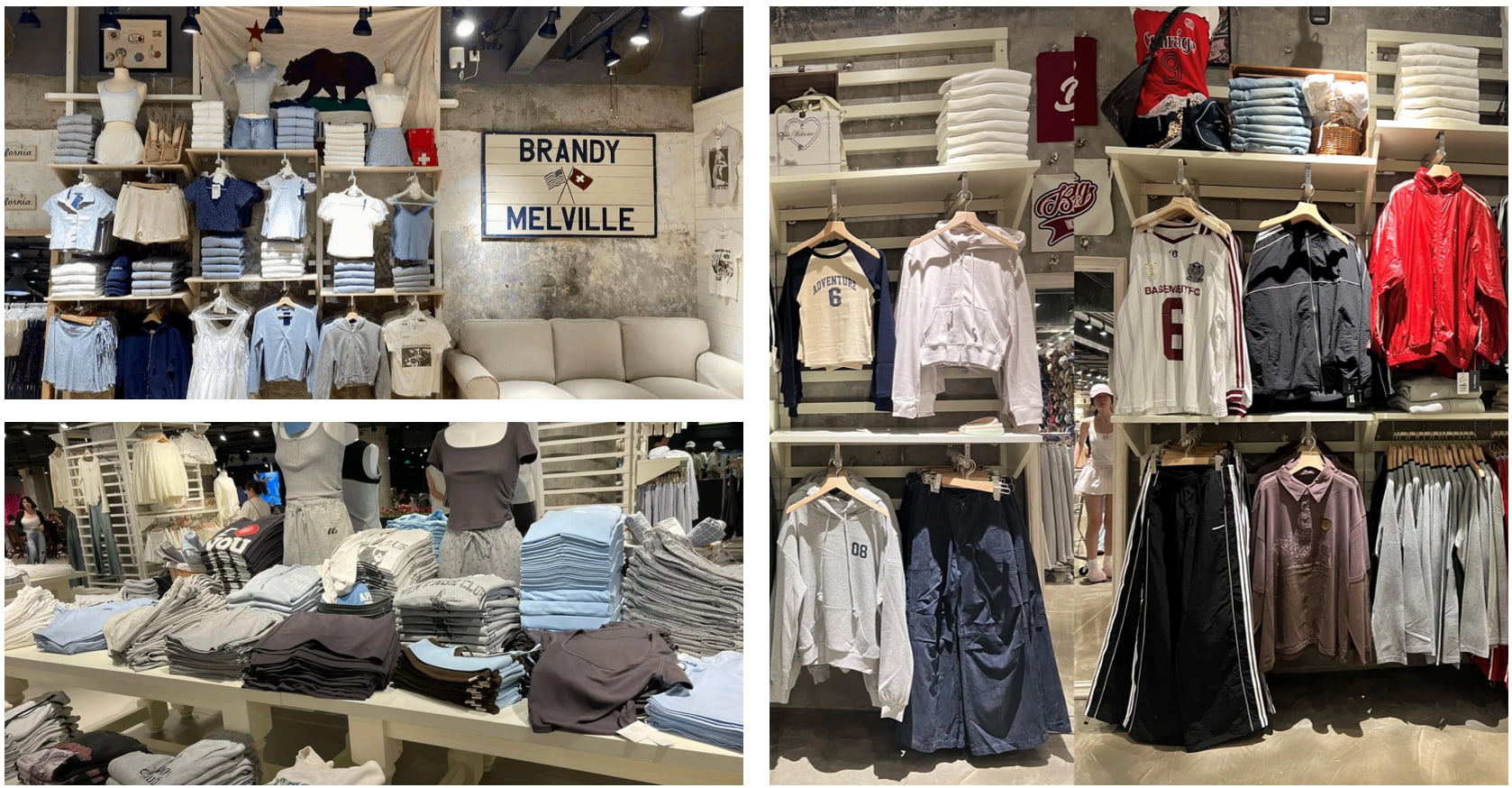
Brandy Melville wrote this playbook first. When the Italian brand opened in Shanghai in 2019, its social-media-only, one-size, immersive-store formula went viral as “BM style”, and domestic brands copied it, then scaled it far beyond what the original tried. They kept the experience, dropped the deliberate scarcity, and expanded fast. The result treats emotional value (情绪价值) as a trained service, the same sensory approach Abercrombie & Fitch used in the 2000s, now built across affordable fashion in China. Model-like staff, sticker walls, and elaborate fitting rooms make the experience itself another product.
The cracks in the model
This sales model carries real costs. Brandy Melville’s one size runs roughly a size zero, with a waist about five inches smaller than the average Chinese woman’s, a standard linked to dieting and underweight rates among young Chinese women. Furthermore, product innovation is also thin. Built on popular looks and hit products with little original design, the hype can fade once a trend cools, and the style is easy for the next brand to copy.
The volume adds up too. Fast, cheap fashion means constant new drops and rapid disposal, in a country that already throws out more than 26 million tons of clothing a year and recycles only about 20%. The same mechanics powering the affordable fashion boom may draw political scrutiny and hinder its durability.
What affordable fashion in China reveals
- Chinese Gen Z is paying for identity, mood, and a shareable experience at an accessible price, which makes the clothing itself almost a by-product.
- The affordable-fashion crown is changing hands. Homegrown brands are moving into the space Western fast fashion is vacating, from mainland malls to a former H&M flagship in Hong Kong.
- A weak youth job market steers spending toward cheap and emotional, while landlords now rank tenants by foot traffic over brand name, handing lesser-known labels prime real estate.
- The store is the marketing. These brands run physical retail as an advertising and foot-traffic engine, with photo-ready spaces, celebrity events, and supply chains pushing more than 100 new styles a week.
- One-size clothing and fast-fashion volume carry body-image and sustainability costs, and a formula built on popular looks with little original design is easy to copy, resulting in thin brand moats once the trend cools.
Author: Ming Yii Lai, with additional research by Hansel Guo