
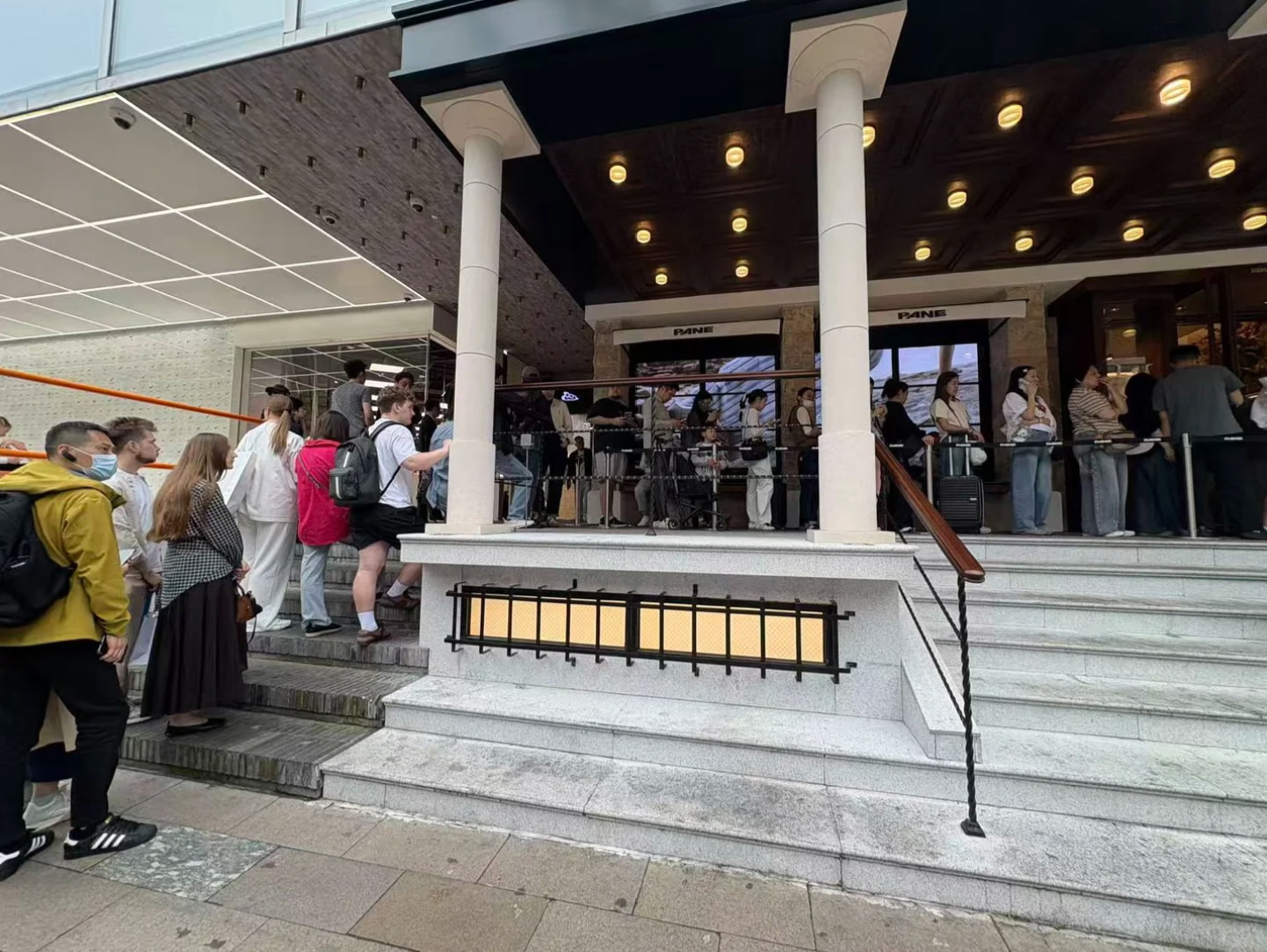
During the 2026 Labor Day holiday, the line outside Pane on Shanghai’s Huaihai Road ran to the curb, with waits topping forty minutes. The notable part wasn’t the line; it was who stood in it. At Pane stores, foreign tourists make up an estimated 60–80% of buyers, many treating the shoe as a Shanghai souvenir. Oddly, Pane has no store outside China. There is only a global website and a planned first store in Thailand, even as foreign demand outruns its own distribution.
What Pane is, and why the design matters
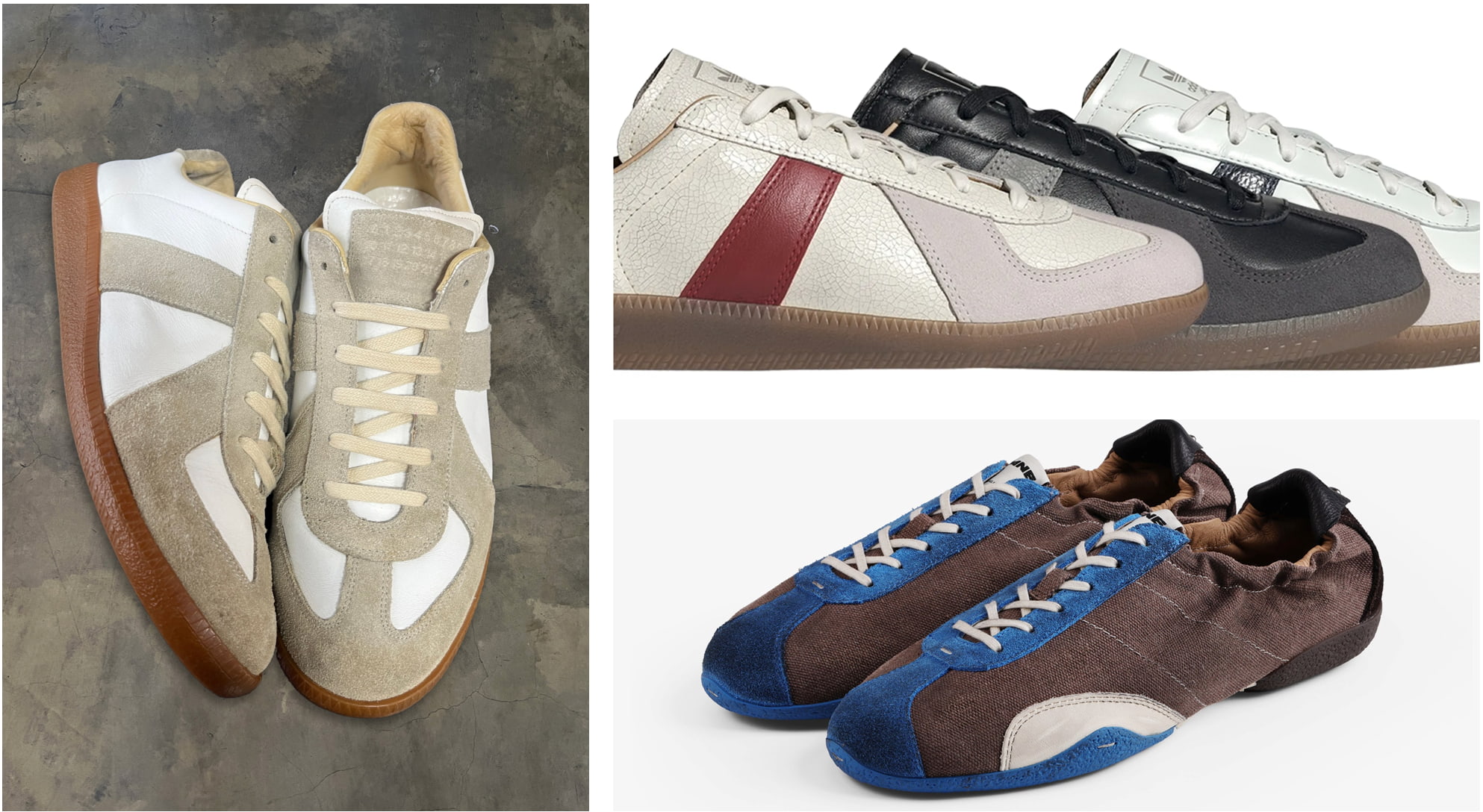
Pane was founded in Shanghai in 2022 by Chen Ning, who spent a decade in menswear, and was a financier before that. Its product is best understood as a system rather than a single shoe, and that system is a legibility engine. Instead of inventing a silhouette, Pane rebuilds ones the world already recognizes: the German Army Trainer (GAT), the ballet flat, the boulder-grip climbing sole. A shoe from an unknown three-year-old label needs no introduction when its shape is already familiar, and that reconstruction is the strategy, not a shortcut.
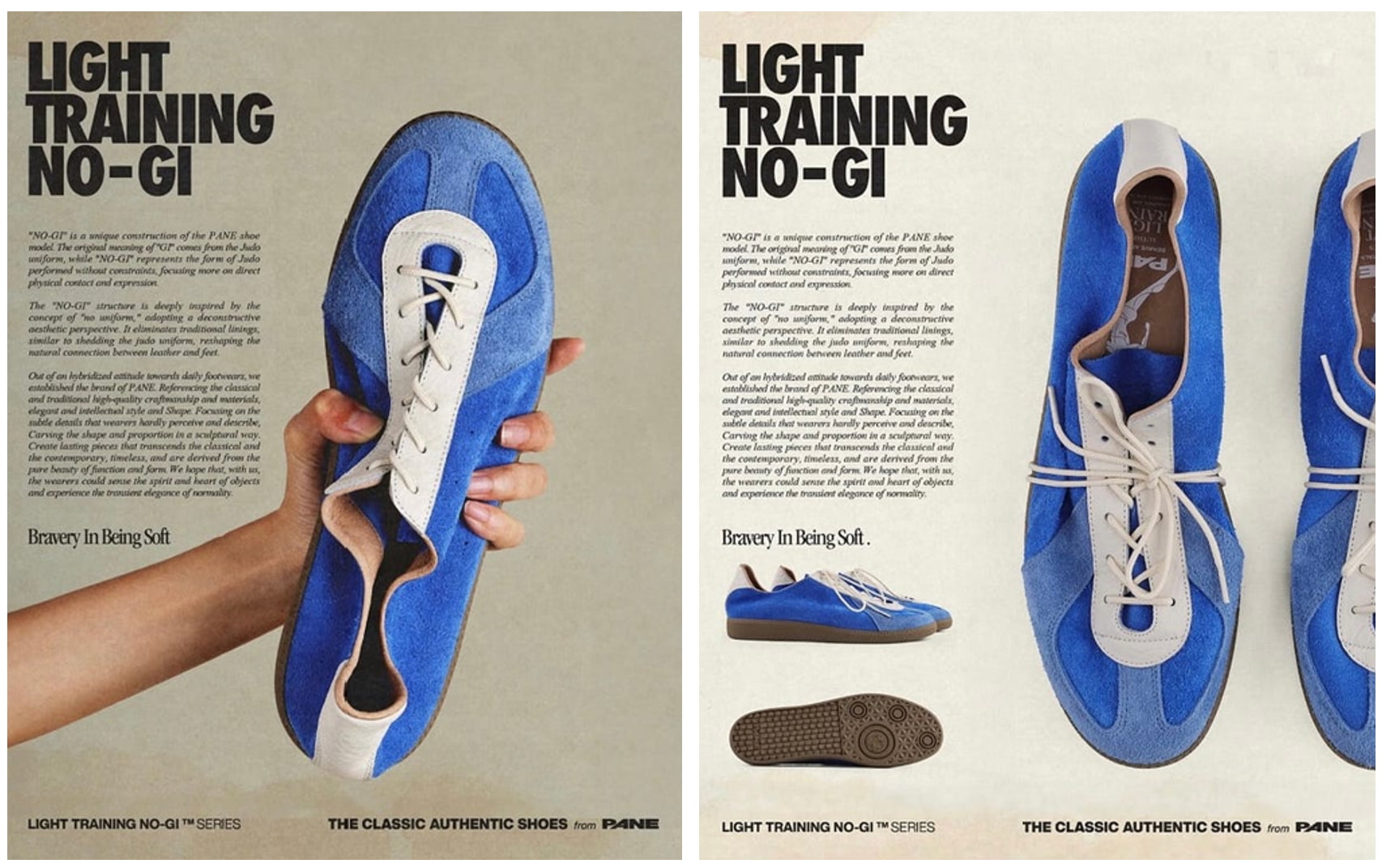
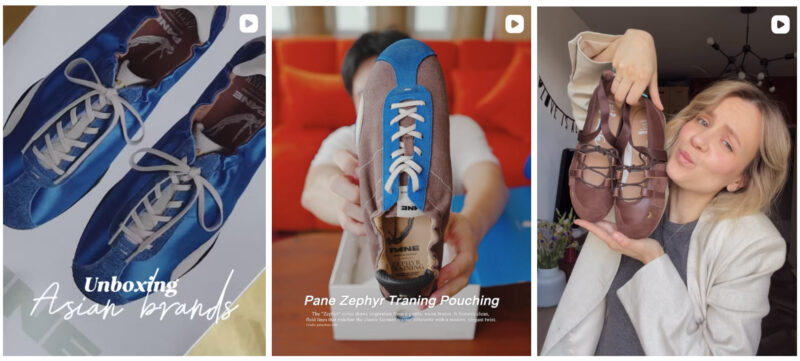
Pane reinforces this by keeping its branding minimal. A discreet inner-sole logo and a muted, archival palette leave no badge to buy into, so the shoe has to win on how it is made. The breakout Light Training shoe, a reworked GAT whose foldable, flat sole nods to jiu-jitsu, is built more like crafted leather footwear than a trend sneaker. The design is what does the convincing, making an RMB 800–1,000 domestic shoe read as the real thing rather than a gimmick.
Pane’s patient climb
Pane built its presence online first, seeded through Instagram and Western social media before opening a Tmall flagship in 2023, then moved into experiential retail and eleven physical stores across China this year. Early credibility came partly from collaborations with United Arrows, New Era, and Nalgene, and from features in titles like Vogue that quietly answered the “is this real” question.
The numbers soon followed: Pane’s 2025 Tmall Gross Merchandise Value exceeded RMB 100 million, and it has held a long-running #1 on Tmall’s independent-designer footwear list. It helps that the whole category is surging: retro GATs rose 155% between April 2024 and April 2025, and ballet versions by 730%. Even so, Pane has grown on word-of-mouth marketing rather than a hit-product blitz, as more than 40% of buyers come back for another pair.
The familiarity inversion
The usual assumption that a brand feels familiar at home and foreign abroad runs backwards here. Because Pane’s design language is entirely European, the people most likely to recognize it at a glance are Western, not Chinese. The same shoe faces a different barrier in each market.
In the West, the barrier is legitimacy and access. Decades of menswear pedigree, plus a flood of GAT content on TikTok, mean Pane reads instantly as a cheaper, comfier Margiela, priced around RMB 4,000–6,000. So when a substantive Western write-up (mid-2025) raised doubts, they were not about the shoe but about whether the brand was real and reachable: AI-looking imagery, unbranded dupes on Temu and AliExpress, no clean way to buy a pair. The friction was never the shoe’s design, it was access, which Pane’s global site and planned stores are now resolving. The pattern holds well beyond Pane: when a market already recognizes the look a brand is built on, the work is not persuasion but proof, showing the brand is real and giving buyers an easy path to purchase.
Product trust, not fame, drives repeat buys across borders
In China, the barrier is the product itself. The same European references that feel familiar in the West read as novel at home, and a three-year-old label inherits no trust to lean on, so scrutiny falls on the shoe. Reviews split between “like wearing nothing” and complaints of too little support; and a steady is-it-worth-RMB-880 debate runs underneath. Lacking an established name to vouch for it, Pane had to earn that trust on the product alone, and the repeat buyers behind its sales numbers are the sign it did. The same logic applies wherever a brand can’t borrow design familiarity or category trust: the product has to win on its own merits, and the proof is repeat purchase, not a viral month.
Same shoe, two markets, two opposite barriers. For any brand crossing borders, then, the useful question is not “is it working abroad?” but “which barrier is this market holding up?”. Pane’s quiet achievement is that it read each one correctly.
The national signal it refuses
Cross-border fashion usually plays national identity one of two ways, and Pane refuses both. Foreign brands localize into China, incorporating Chinese motifs into products to win domestic buyers, as with Adidas’s neo-Chinese jackets or the Lunar New Year collections from Nike. Meanwhile, Chinese brands export outward by amplifying Eastern aesthetics, as Li-Ning does with its heritage “Wu Dao” (悟道) runway collections, or Anta with sneakers carrying motifs like the koi fish or the terracotta army.
Pane does neither. The foreigner in line isn’t buying a dragon; they’re buying a GAT that happens to be Chinese-made. Its souvenir status comes from geography and scarcity, not from anything culturally distinct in the design. Therefore, stripping out the national signal, asking no one to buy into a China story, is exactly what lets Pane’s shoes travel.
The store as the moat
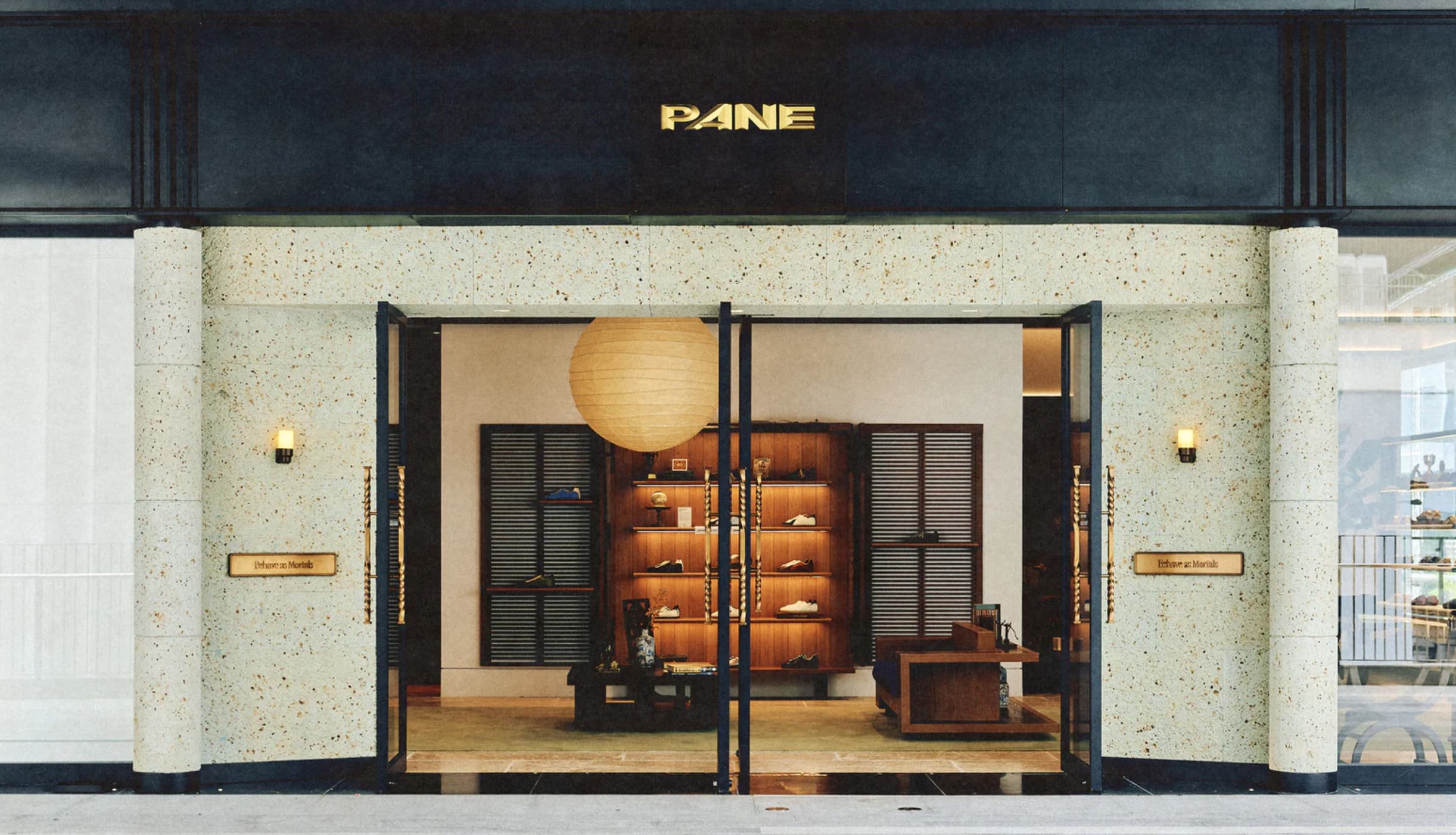
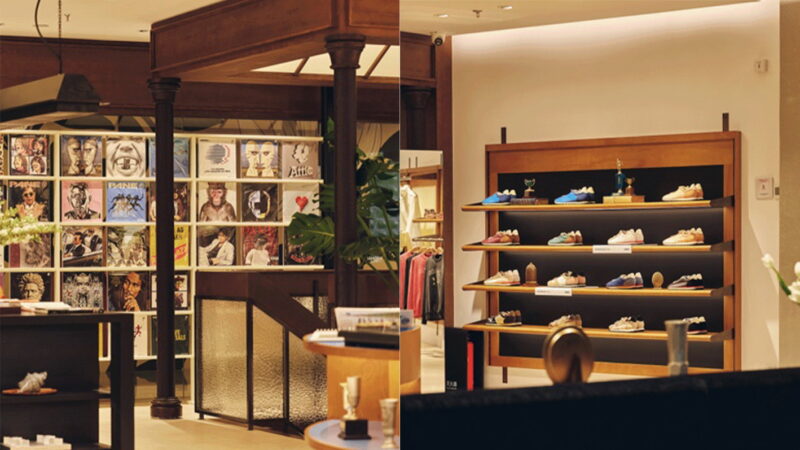
The shoe is the least defensible thing Pane owns, as unbranded look-alikes already circulate on Temu and AliExpress. However, the brand world around it is hard to duplicate. The flagships are staged as distinct environments: Greek-revival columns at the entrance, design details inspired by 1930s modernist interiors, and a listening room with vintage records at the Shanghai location, all built to manufacture an experiential space and buy mind share rather than relentlessly chase sales. When the product offers no durable edge or global-brand prestige, defensibility migrates to the experience around it, which a dupe can’t copy.
What Pane got right
- Design can do the work of brand-building. Pane’s globally legible silhouettes earned instant fluency abroad that marketing budgets usually have to buy.
- Borrowing a known shape beats inventing one. Reworking the familiar GAT let an unknown label look legitimate on sight, with no new category to explain.
- Pane had to prove it was real in the West and prove it was worth the price at home; diagnosing which barrier applies to which market is the actual strategy.
- By avoiding both Guochao and exoticized Chinese-ness, Pane frees the shoe to travel abroad without requiring any buyer to embrace a story about China.
- When the product is copyable, the experience is the moat. With dupes already on Temu, Pane’s pricing power lives in its stores and brand world, not the shoe.
Author and editor: Ming Yii Lai, with additional research by Hansel Guo