

Rolex in China: why the crown is taking control of retail and resale

Updated in October 2026. First published in September 2019. Rolex in 3 figures CHF 11.0 bn Estimated Rolex sales in 2025, up 4% (Morgan Stanley and LuxeConsult) 32.9% Rolex share of Swiss watch retail value in 2025 USD 229 m Certified pre-owned sales in Q3 2026, up 61% (global estimate) There is a saying in […]
Pop Mart market strategy in 2026: life after the Labubu peak
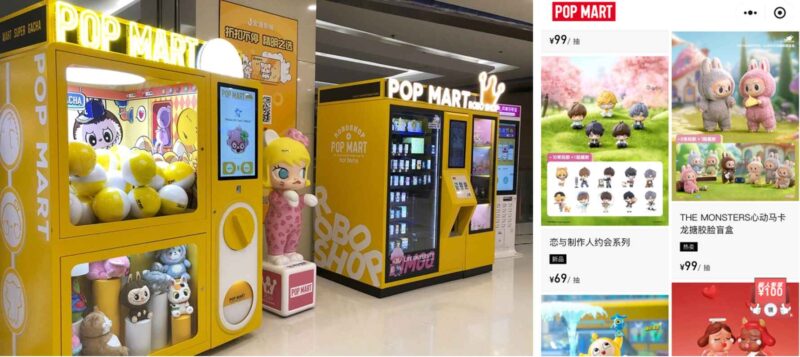
Pop Mart’s strategy in 2026 is to turn one global hit into a portfolio, and to move its overseas business from viral online sales to stores it controls. The numbers say the first part is working and the second is costing money. In 2025, Pop Mart (泡泡玛特, popmart.com.cn in China) grew revenue 184.7% to RMB […]
Chayan Yuese (茶颜悦色), the tea brand that refuses to franchise
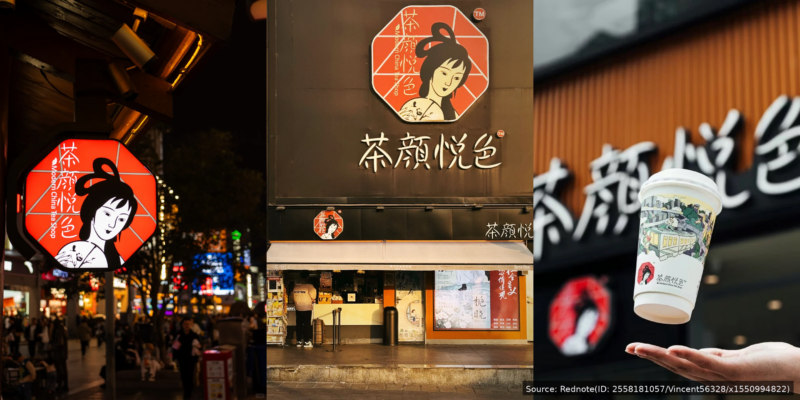
Chayan Yuese (茶颜悦色), the Changsha tea brand that retired its English name Sexy Tea in 2022, ran 734 stores as of April 2026, every one of them operated by the company itself, and more than half of them in its home province of Hunan. In April 2026, Mixue (蜜雪冰城) counted 44,836 stores and CHAGEE (霸王茶姬) […]
Guerlain’s fragrance strategy in China: From skincare trust to fragrance authority
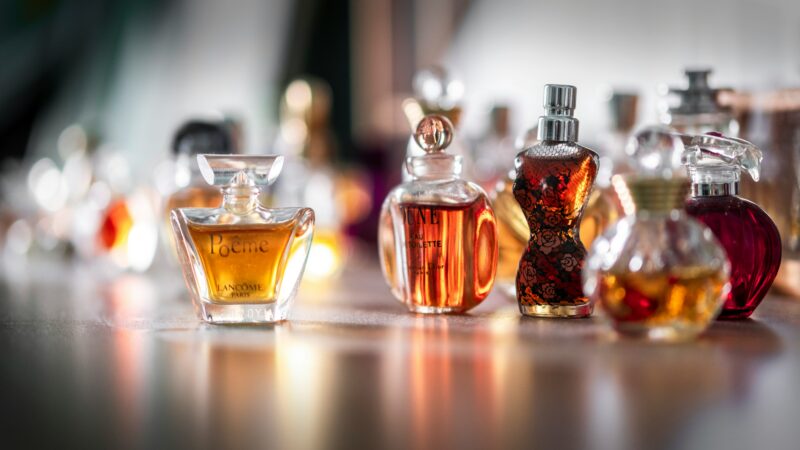
In 1993, Guerlain’s fragrance strategy in China was based on a contradiction: although founded in 1828 and renowned for its fragrance heritage, the French maison emphasized skincare over fragrance in the Chinese market. Its local growth was primarily driven by skincare and cosmetics, causing a tension between its global fragrance legacy and its market positioning […]
Coca-Cola in China: how the leading soda brand defends its position in a sugar-free, tea-drinking market

Coca-Cola still leads carbonated drinks in China through its bottlers, but the category’s growth has moved to sugar-free drinks, tea and water, where Chinese brands move faster.
7Up in China: why the lemon-lime soda trails Sprite as consumers move to sugar-free drinks

7Up and Sprite sell the same taste at the same price in China, yet Sprite holds about six times 7Up’s share, and the whole soda category is now losing ground to sugar-free tea and sparkling water.
Sephora in China: after four years of losses, the beauty retailer rebuilds its model
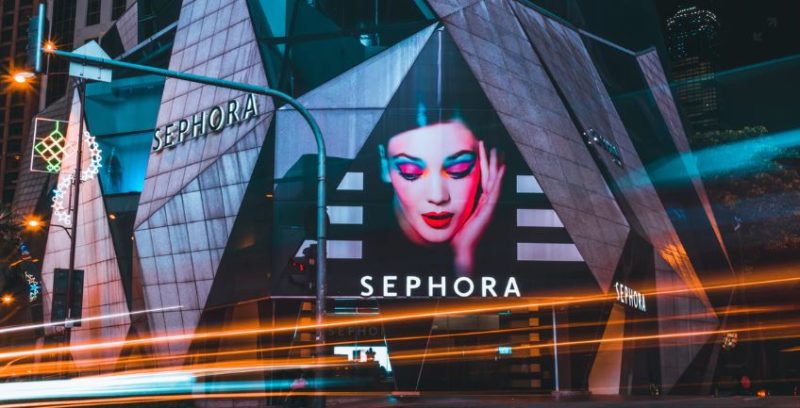
Sephora’s revenue in China fell 40% between 2021 and 2025, but store traffic is growing again and LVMH has taken full control to reposition the retailer around experience, Chinese brands and lower-priced zones.
Herborist in China: how a herbal beauty pioneer found growth again on Douyin

After a long slowdown, the Chinese herbal skin care brand returned to growth through its own Douyin livestreams and a single hero product, a model its owner admits may be hard to repeat.
Diapers in China: fewer babies, more premium, and the rise of Babycare and adult care
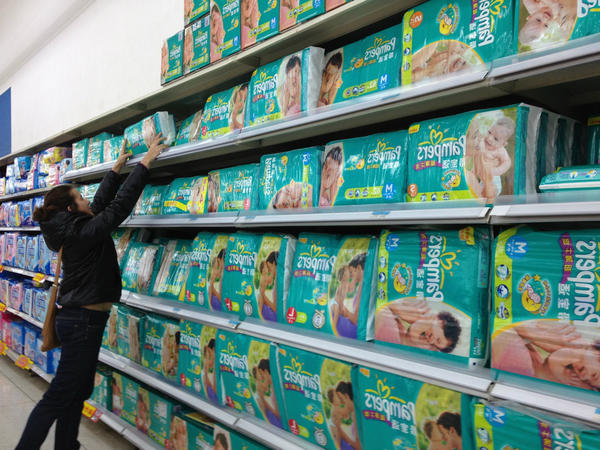
Births have halved in a decade, yet baby hygiene sales still grow as nearly every baby now wears disposables, Japanese brands have lost their lead and Chinese brand Babycare has entered the top three.
Beyond sugar-free: What’s next for the soft drinks market in China
The soft drinks market in China encompasses ready-to-drink, non-alcoholic beverages (including concentrates) with 0.5% or less of ethanol. It includes bottled water, fruit and vegetable juices, protein beverages, carbonated beverages (sodas), and others, for a total of 11 major categories. The industry is undergoing a fundamental transformation: growth is shifting from volume to value and […]
Vichy in China: how the first pharmacy skin care brand lost its lead and found a role in scalp care

Vichy built pharmacy skin care in China, then lost the category to La Roche-Posay, Avène and Winona; scalp care has since become its main growth area.
China’s skin care market: Chinese brands lead, and global brands compete on proof

Chinese brands now hold the majority of China’s cosmetics market, yet the strongest international brands are growing again by bringing clinical proof, luxury and local innovation.