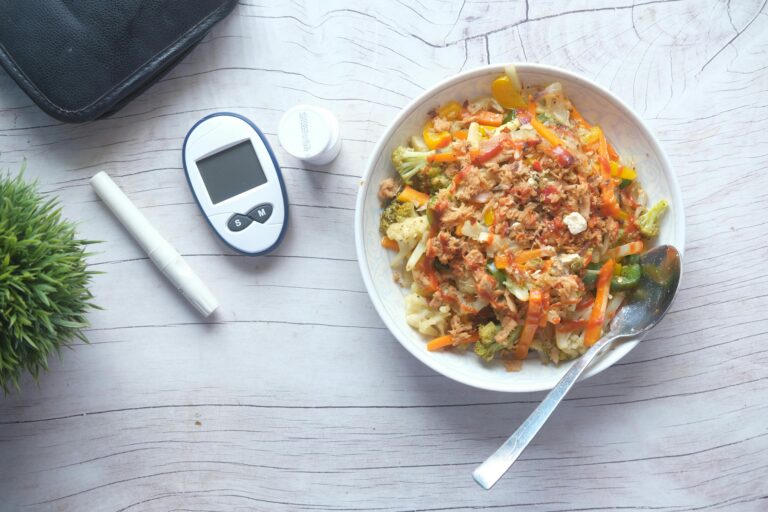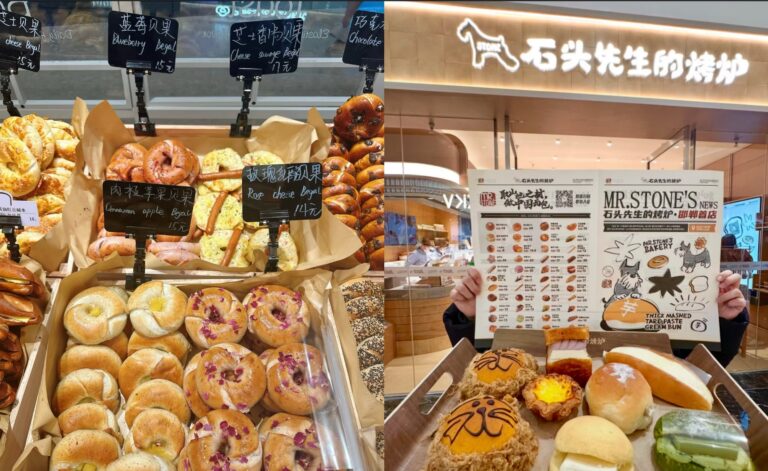

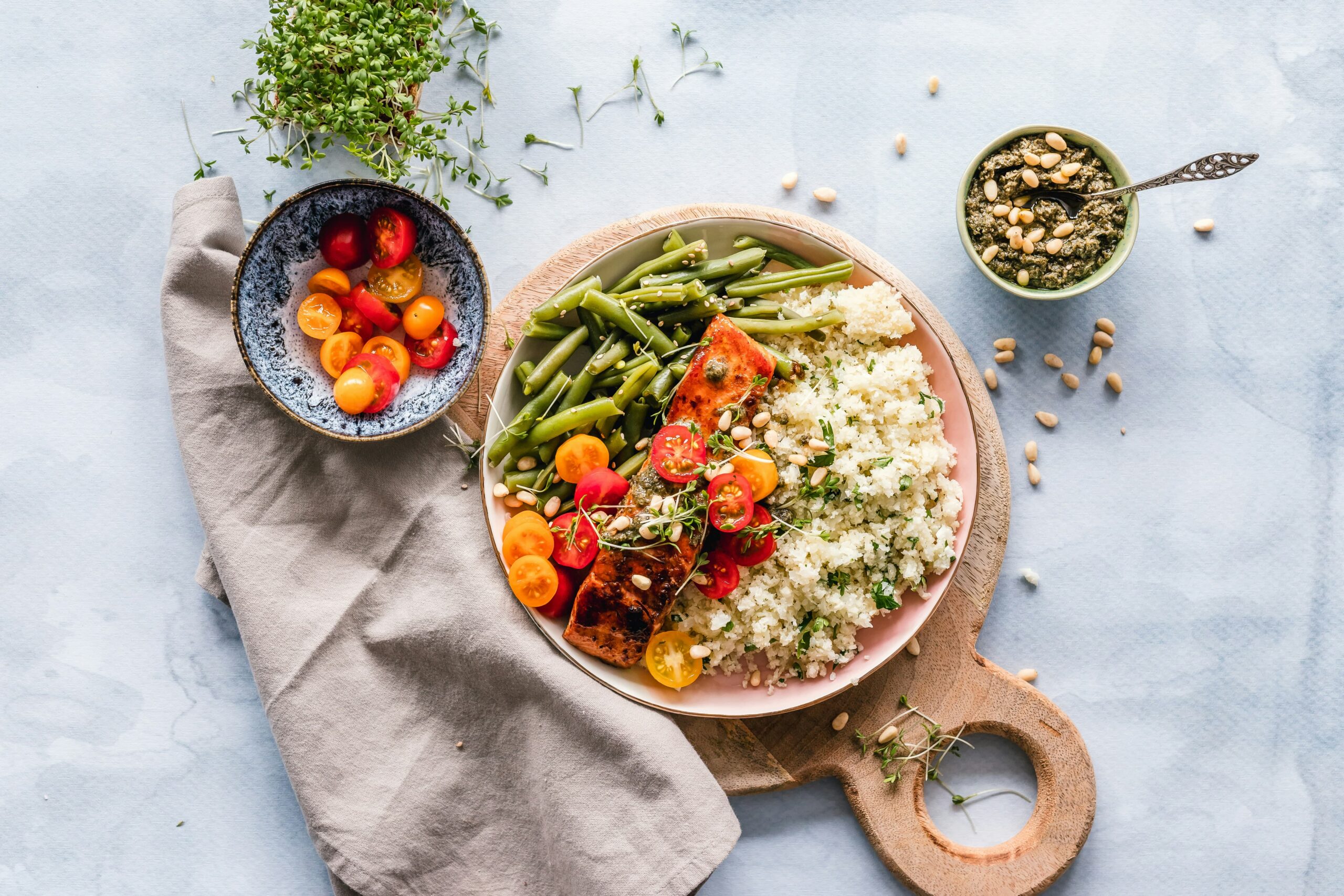
Within China’s low-GI food market, products are generally defined as foods with a glycemic index (GI) threshold of 55 or below. The carbohydrates of these products are digested and absorbed more slowly. It leads to a more gradual release of glucose into the bloodstream rather than sharp blood sugar spikes. The concept of low GI was initially associated with clinical nutrition and diabetic dietary management. It has gradually evolved into a broader mainstream health-food category in China. This was driven by rising concerns over chronic disease, growing demand for preventive wellness, regulatory standardization, and the product expansion across staples, snacks, and convenience meals.
Download our China F&B White Paper
Riding a multi-billion-yuan growth trajectory
The market was already tracking toward an estimated RMB 176.2 billion for 2025. This puts it firmly on a path to exceed RMB 200 billion by 2030. The growth shows that the category is moving beyond specialist nutrition into a more commercially meaningful consumer sector. This shift is also becoming visible in retail. In May 2025, e-grocery platform Dingdong Maicai launched a dedicated “Low-GI Zone” on its app. Moreover, its low-GI sales rose from less than RMB 1 million in 2023 to nearly RMB 60 million in the first half of 2025 alone. This shows a roughly 60-fold increase in just two years. Together, these figures prove that low-GI products are moving from specialty shelves to everyday grocery carts across China.

Medical necessity meets lifestyle advocacy
China’s low-GI food market is anchored by two distinct customer segments: a massive medical baseline and an expanding preventive-health demographic. The primary anchor comprises individuals requiring immediate blood sugar management—specifically diabetics, prediabetics, and those with high metabolic risk. This represents a vast population, driven by nearly 148 million diabetic adults in 2024, a 38.1% prediabetes prevalence rate in 2025, and an adult overweight/obesity rate projected to hit 65.3% by 2030.
The secondary segment consists of younger, health-conscious consumers adopting low-GI foods for preventive wellness. Motivated by the trend of “wellness as a daily ritual”, these disciplined buyers perceive low-GI foods as an assistive way to sustain their energy, increase satiety, and manage weight. In short, this powerful combination of medical necessity and lifestyle choice gives the market a stable customer base paired with viral growth potential.

From health policy to regulatory standardization
More broadly, the rise of China’s low-GI food market is driven by its strategic alignment with the landmark Healthy China 2030 Planning Outline. Under this state mandate, China’s healthcare paradigm has officially shifted from reactive treatment to proactive prevention. This places dietary optimization at the core of chronic disease control. Excessive sugar intake and poor-quality carbohydrates heavily drive the nation’s rising rates of chronic diseases. Thus, optimizing the daily dietary structure through high-quality, low-GI alternatives has become a top regulatory priority.
| Dietary component | Baseline Chinese intake (per capita/day) | Healthy China 2030 target |
| Salt | 10.5 grams | < 5.0 grams |
| Edible oil | 42.1 grams | 25.0 – 30.0 grams |
| Free sugars | 30.0 grams | < 25.0 grams |
Translating broad health policy into commercial practice required clearer and more measurable definitions of what qualifies as low GI, and China’s standardization framework has gradually moved in that direction. WS/T 652-2019 laid the technical foundation by standardizing how GI is tested. While the Chinese Nutrition Society’s T/CNSS 018-2023 helped turn GI into a market-facing labeling framework for prepackaged foods.
Notably, the follow-up technical requirements suggest that low-GI recognition in China is moving beyond glycemic performance alone, with category-specific thresholds for factors such as fat, sodium, and, in many cases, dietary fiber. In March 2026, this standardization effort further advanced to the national level when the National Institute for Nutrition and Health, Chinese Center for Disease Control and Prevention, released a draft recommended national standard for public consultation. Although this did not amount to mandatory enforcement, it signaled stronger policy attention and pointed to a more unified, more credible, and potentially more demanding framework for low-GI foods in China.
The three main pillars of commercialization
Arguably, China’s low-GI food market is expanding across three main food routes. Each reflects a different path by which low-GI is being incorporated into daily consumption.
Staple carbohydrate upgrades
In China, staple substitution—specifically reimagining daily rice, noodles, and steamed buns—is the volume engine of the low-GI market. This comes down to a fundamental cultural truth: in a culinary landscape where white carbohydrates are the cornerstone of every meal. Hence, asking consumers to give up their traditional diet for meal-replacement shakes or salads is a behavioral non-starter. Realizing this, established domestic giants like Arawana (金龙鱼), Xiangnian Food (想念食品), and Sanquan Food (三全食品) are actively using advanced formulation to lower the glycemic index of foods consumers already crave.

Clean snacking and functional satiety
Bakery and portable satiety foods form China’s second major low-GI commercialization route. These products extend the category into breakfast, office snacking, and appetite-control scenarios. Examples of product categories include breads, biscuits, crackers, and bars. Within this space, several dynamic brands are emerging:
- Beast (轻食兽) with their low-GI meal-replacement biscuits
- DGI with their clinical-grade low-glycemic whole wheat crackers
- Honggulin (红谷林), with its certified zero-sugar, low-GI grain biscuit
These brands are rapidly populating online store shelves. They offer guilt-free, functional options tailored specifically for mainstream health-conscious consumers.

Convenience-led meal solutions
Forming the third commercialization pillar, instant and ready-to-eat (RTE) meal solutions are bringing low-GI products into China’s high-frequency convenience market. Their rise is significant as it challenges the assumption that convenience foods are inherently incompatible with glycemic control. This shows how targeted formulation and processing strategies can make these formats compatible with low-GI requirements. Guangyou (光友) claims its certified low-GI instant glass noodles use high-temperature extrusion, aging, and freezing to restructure starch and slow digestion. Furthermore, adjustments to its seasoning and oil packs help ensure compliance with low-GI certification requirements. Meanwhile, brands such as Guyan (谷言) came out with low-GI pre-packaged grain meal boxes. Another local brand, Jiangzhong (江中猴姑), reformulated certified low-GI instant rice puree. The prevalence of these brands shows how the category is expanding into familiar convenience-led meal formats.

Taken together, these three routes suggest a pattern. Low-GI food scales in China by integrating into existing eating habits. It does this through direct product substitution. Consumers replace conventional staples, snacks, or instant meals with low-GI equivalents. This approach works because it does not require entirely new eating rituals. Nor does it force restrictive diet plans on consumers.
The drivers behind China’s low-GI momentum
- China’s low-GI food market is shifting from a specialist nutrition concept into a more visible health-food segment.
- Growth is anchored by a massive clinical baseline requiring immediate metabolic management. There is also a rising demographic of younger, proactive consumers adopting low-GI foods as a daily ritual for energy, satiety, and weight control.
- Reinforced by the Healthy China 2030 mandate and a rapidly maturing regulatory framework. The sector is mirroring the country’s escalating commitment to dietary optimization.
- Scalability is achieved across three high-frequency channels—staples, snacks, and convenience meals—seamlessly upgrading existing dietary traditions rather than forcing painful behavioral change.