

Yuesai in China: how L’Oréal’s Chinese premium brand cut 800 counters and started again

Yuesai shows what it takes for a global group to revive a Chinese heritage brand: a smaller network, a new hero product built on global science, and a much younger audience that is still to be won.
China Resources Jiangzhong: a digestive remedy brand between falling OTC sales and growing health products

Jiangzhong’s pharmacy business is shrinking while its health products grow online, a shift that shows how consumer health in China is becoming a daily consumer purchase.
Basketball in China: An unshakable market cruising along strong regulatory tailwinds

When the Phoenix Suns and Brooklyn Nets tipped off in Macao in October 2025, the headlines focused on the NBA’s return to Mainland China after a six-year freeze-out. While the NBA was shut out, an enormous domestic basketball market grew up. Today, China is the world’s second biggest basketball market behind the United States, propelled […]
Korean films and stars return to China slowly, a decade after the unofficial “Hallyu ban”

Korean content almost disappeared from Chinese screens after 2016 without any written rule; its return is happening the same way, one event and one release at a time.
La Vache qui rit in China: from imported-food shelves to a Chinese factory

Bel moved The Laughing Cow from occasional imports to local production in China, a path that more European food brands are following to compete with Chinese leaders on price and speed.
Cheese in China: from a foreign curiosity to children’s snacks, pizza and a local champion
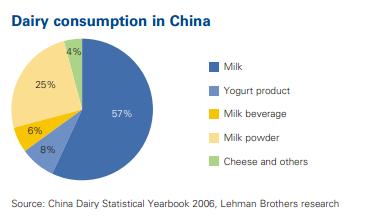
Cheese found its Chinese consumers through children’s snacks and restaurants rather than the cheese course, and the leader that emerged is a Chinese company controlled by Mengniu.
China’s electronics buyers: how the trade-in subsidy pushed 91 million phones and digital devices

Chinese consumers once went online to find cheaper electronics; in 2025, a national subsidy paid part of the price and reshaped when and how they buy.
Dong-E E-Jiao: how China’s donkey-hide tonic brand survived a price bubble and returned to growth
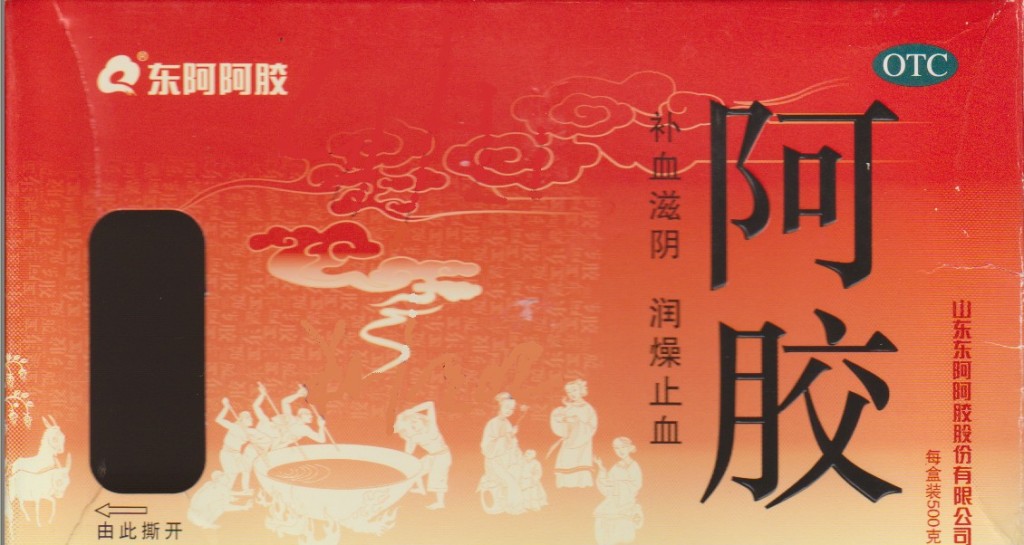
Dong-E E-Jiao turned a traditional tonic into a luxury good, crashed when distributors became its main buyers, and recovered by cleaning its channels and widening its formats.
Laundry detergent in China: how Chinese brands took the market from powder to fragrance pods

China’s laundry market is mature in volume, but value is moving to concentrates, pods and fragrance, a premium segment where Chinese brands now compete head-on with P&G and Unilever.
Sportswear brands in China: how Olympic sponsorship helped Chinese brands lead the market

Anta now earns more in China than any foreign sportswear brand, and Chinese groups have used Olympic partnerships and acquisitions to move up-market, while Nike’s Greater China sales decline.
China’s B2C e-commerce platforms: Dangdang and Amazon faded, Douyin became number two

Chinese online shopping has moved from a list of websites to a few ecosystems, and the second-largest of them is a short video app.
Maternity clothes in China: fewer births and a market that moves up in value

Fewer pregnancies mean fewer buyers of maternity clothes, but the mothers who remain buy more functional products for longer, a shift Chinese “pregnancy to baby” brands have captured first.