

Wine distribution in China: from banquets to delivery apps

China imports far less wine than at its peak, but at higher prices per litre, and the channels that sell it have shifted from banquets and hypermarkets to e-commerce, instant retail and membership stores.
Technogym in China: premium Italian fitness equipment in a market of low-cost gyms and Chinese makers

More Chinese people exercise than ever, but the gym market is consolidating and Chinese equipment makers are moving up-market, which pushes premium brands toward hotels, residences, homes and wellness.
Aston Martin in China: a Chinese shareholder, small volumes and a brand still defining its role

Geely is one of Aston Martin’s largest shareholders, yet the British brand imports only a few dozen cars a month into China and faces losses, restructuring and a shrinking ultra-luxury market.
Bentley in China: why sales halved from their peak, and what it says about ultra-luxury cars

Bentley’s sales in China fell from 4,212 cars in 2021 to 2,030 in 2025, as luxury spending slowed, the luxury car tax widened and Chinese electric brands moved up-market.
Fonterra in China: how New Zealand’s dairy group moved from food safety crises to a foodservice business

After the Sanlu, DCD and botulism episodes, Fonterra sold its Chinese farms and built China into its largest foodservice market, supplying cream, butter and cheese to bakeries and tea chains.
Paris Baguette in China: why the bakery is closing stores and testing hot meals

More than twenty years after entering China, Paris Baguette has fewer stores than in 2024 and is testing a meal-led format to compete with faster Chinese bakery chains.
China’s ice cream market: who gains share after the price reset

Packaged ice cream in China is still growing in value, but prices are falling, frequency is low and several foreign brands that once defined the premium end have scaled back.
Rolls-Royce in China: selling fewer cars, with more bespoke, in a tougher ultra-luxury market

China is one of Rolls-Royce’s two largest markets, and the brand is answering a wider luxury car tax and new Chinese rivals with local bespoke work rather than volume.
Riva in China: an Italian yacht icon with a Chinese owner, in a market still learning to sail

China’s main role in Riva’s story is as an owner rather than a buyer: a Chinese engine maker controls Ferretti, while China’s yacht market grows slowly.
Inoherb in China: how a Chinese herbal skin care pioneer lost ground in the Douyin era

Inoherb helped build Chinese mass skin care in the 2000s, then fell behind as beauty moved to Douyin; its story is a useful check for anyone assessing a Chinese brand.
China’s middle class: more than 400 million people who still spend, but more carefully

China’s middle-income group keeps growing, but after the property slowdown and slower income growth it looks for value, trusts Chinese brands and spends more on experiences than on status.
China’s travel websites and apps: where Chinese travellers plan, compare and book
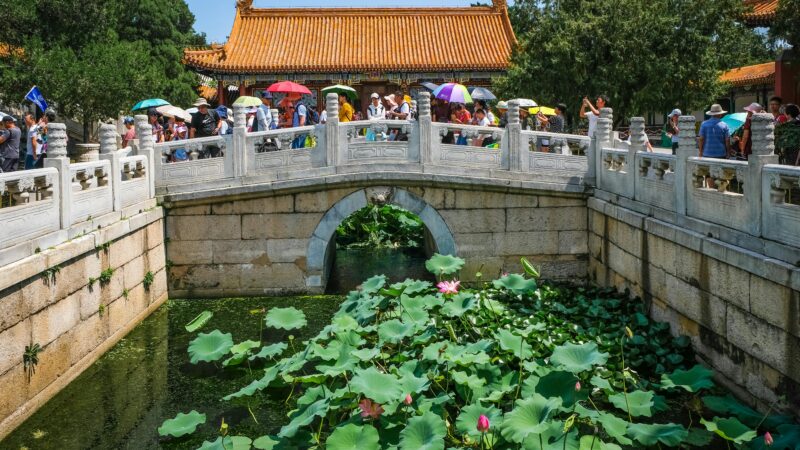
Booking in China is concentrated on a few large apps led by Trip.com Group, while travel decisions increasingly start on Xiaohongshu and Douyin.