

Affordable fashion in China: Chinese Gen Z is paying for feelings, not just clothes
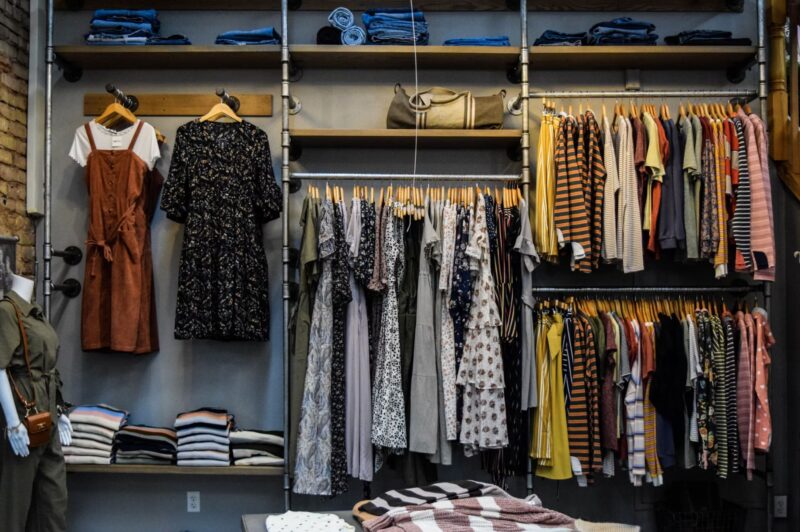
In March 2026, a three-year-old Chinese apparel label called W.MANAGEMENT took over H&M’s former flagship space in Hong Kong’s Causeway Bay, roughly 30,000 square feet, at a fraction of the rent H&M once paid. The handover points to a bigger shift: affordable fashion in China is winning over the Gen Z customers, and the prime […]
Wine distribution in China: from banquets to delivery apps

China imports far less wine than at its peak, but at higher prices per litre, and the channels that sell it have shifted from banquets and hypermarkets to e-commerce, instant retail and membership stores.
China’s consumption stimulus in 2026: Where pockets of consumption growth will occur and how it helps brands open their first stores
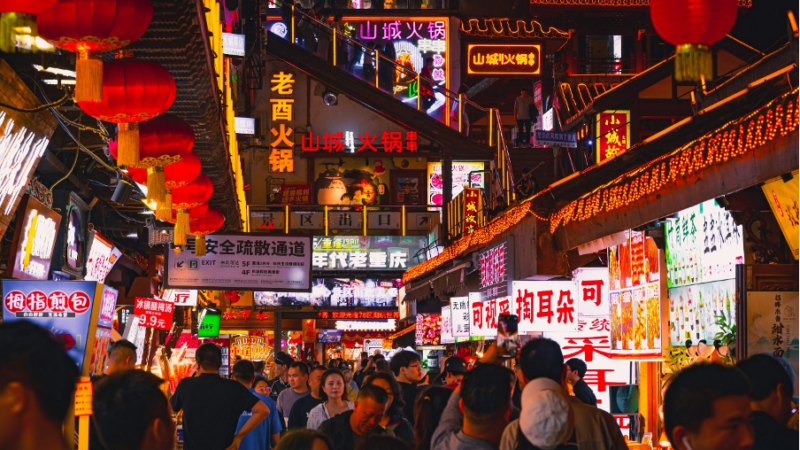
China’s consumption stimulus entered a new phase in 2026, backed by the most coordinated policy effort in years. The central government renewed RMB 1.3 trillion in ultra-long special treasury bonds, of which RMB 250 billion supports the consumer goods trade-in program for cars, appliances, and digital product upgrades. The consumption stimulus subsidy policies to run […]
Technogym in China: premium Italian fitness equipment in a market of low-cost gyms and Chinese makers

More Chinese people exercise than ever, but the gym market is consolidating and Chinese equipment makers are moving up-market, which pushes premium brands toward hotels, residences, homes and wellness.
6,700 shopping malls in China; not all of them will survive
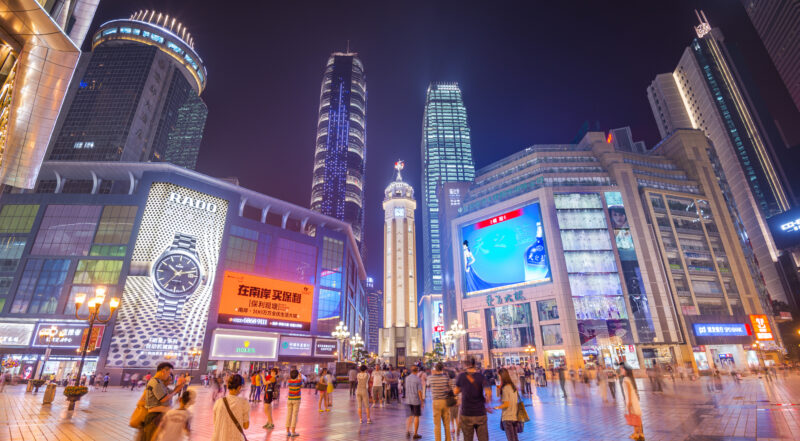
Total retail sales grew 3.7% in 2025, trailing both GDP growth and household income growth for the second year running. Nearly 60% of the country’s top 100 retail chains saw store counts stagnate or shrink. New openings of shopping malls in China fell to a 13-year low in 2025, down 24% from the year before. […]
Bentley in China: why sales halved from their peak, and what it says about ultra-luxury cars

Bentley’s sales in China fell from 4,212 cars in 2021 to 2,030 in 2025, as luxury spending slowed, the luxury car tax widened and Chinese electric brands moved up-market.
Perfumes in China: Emotion, everyday use, and evolving scent preferences

Even though China’s fragrance market is growing rapidly – faster than the global average – what is worth more attention is how Chinese consumers now understand, select, and experience perfume. In 2025, the market for perfumes in China totaled around RMB 30 billion, a 20% year-over-year growth. By 2029, it is projected to exceed RMB […]
Fonterra in China: how New Zealand’s dairy group moved from food safety crises to a foodservice business

After the Sanlu, DCD and botulism episodes, Fonterra sold its Chinese farms and built China into its largest foodservice market, supplying cream, butter and cheese to bakeries and tea chains.
Paris Baguette in China: why the bakery is closing stores and testing hot meals

More than twenty years after entering China, Paris Baguette has fewer stores than in 2024 and is testing a meal-led format to compete with faster Chinese bakery chains.
Investment-driven luxury in China: How value preservation is redefining the next era of consumption

Investment-driven luxury in China is entering a new era. Consumers no longer purchase luxury products just for their craftsmanship, status, and exclusivity. They now evaluate luxury through a broader lens, considering preservation of value and resale potential as well. Changes in consumer priorities and economic conditions have expanded the concept of luxury goods to include […]
Flower market in China: From festival gifting to everyday emotional consumption

While flowers remain important within Chinese gifting habits, market growth is increasingly being driven by daily consumption. In China’s emotional purchase economy, flowers are playing a more important role in bringing comfort, happiness, and a sense of healing into everyday life. Consumers either gift flowers for themselves or for others on non-special occasions, creating small […]
How China’s stock market works and why it lags behind the country’s economic growth

Since the founding of China’s stock market with the Shanghai Stock Exchange and the Shenzhen Stock Exchange in 1990, China’s economy has experienced tremendous growth. Hence, one would expect China’s stock returns to be equally fruitful, as stock market performance is normally closely tied with a nation’s economic performance. However, that is not the case. […]